
SOCIETY — March 10, 2026
17-Year-Old Afghan Girl Voices Objection to Taliban Restrictions on International Women's Day
A 17-year-old Afghan girl shared her anguish on International Women's Day, unable to attend school or move freely under Taliban rule, fearing forced marriage.
The Ehtebar Desk — originates with Hasht-e Subh — 2 min read
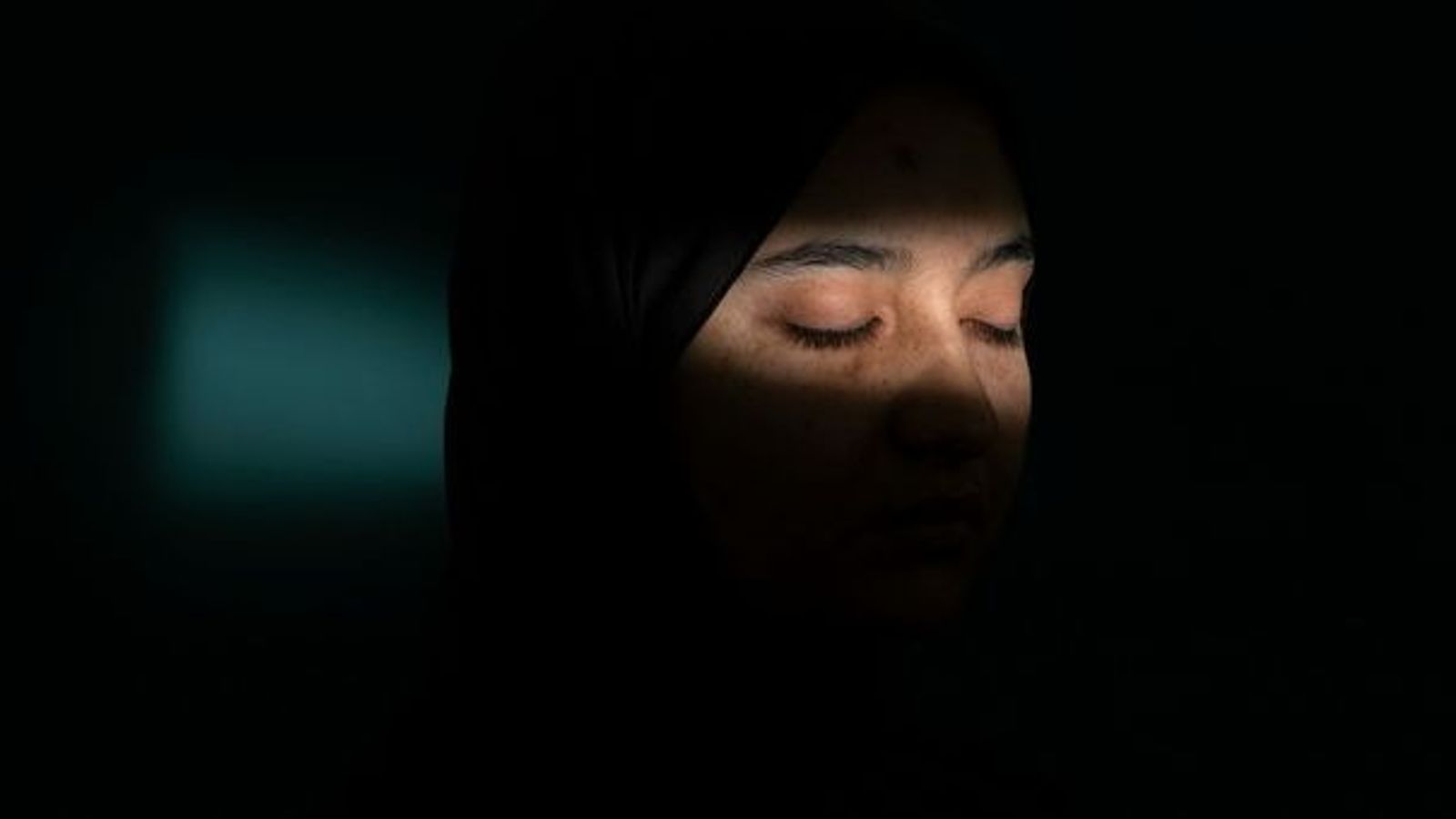
A 17-year-old girl from Afghanistan expressed profound distress on International Women's Day, March 8, over the restrictions imposed since the Taliban took control four years ago. She described how the day evokes sorrow rather than celebration, as she can no longer attend school, leave home freely, or pursue her dreams.
The girl, who has been unable to study since the Taliban takeover, detailed her daily fears. She stated that even venturing outside fills her with terror, fearing Taliban members might stop her over her clothing or lack of a male guardian, potentially leading to detention. She highlighted the loss of simple freedoms, such as laughing with friends at school or writing homework.
She attributed these limitations directly to Taliban policies prohibiting girls from education and public visibility. The girl also noted broader societal issues, including traditional patriarchal culture influencing families, leading to forced marriages to preserve family honor. She expressed uncertainty about her future, fearing she might be the next girl forced into such a marriage.
Despite the hardships, she held onto hope, likening herself to Rabia, a figure of resilience amid restrictions. Quoting Rumi, she reflected on the impact of one's surroundings. Her primary wish remains returning to school to plan for a future with ordinary aspirations.
Read the original reporting at Hasht-e Subh →
Reliability assessment
Single anonymous first-person account lacking concrete, checkable details such as specific locations, names, or verifiable incidents; presented as personal testimony rather than reported event.
The source language tilts sensational, leaning on hyperbole or charged phrasing. Loaded phrases include 'my throat fills with sobs' (emotional hyperbole), 'pain and suffering I carry' (intense personal anguish), and 'suffocation and silence' (dramatic framing of restrictions); employs first-person rhetoric with poetic references and superlative despair to evoke strong sympathy.
Across the newsrooms
Filed by
Hasht-e Subh
Originating
Filed under
Society — Women's rights, Taliban, Girls' education, Afghanistan, International Women's Day
Reader supported
Keep Ehtebar running
Every published story uses paid tools to translate reporting, compare sources, extract claims, and produce a clearer read on Afghanistan. Reader support helps keep that work independent.
€5
helps cover daily verification runs
€15
supports a week of source comparison
€50
keeps independent analysis moving
More in Society
Health Officials and Experts Discuss Rise in Black Jaundice Cases in Afghanistan
— Reliable

Discussion on Agricultural Products and Health Services in Samangan Province
— Reliable
WHO Report Cites Taliban Restrictions and Funding Shortfalls as Threats to Health Services in Afghanistan
— Reliable
Afghan officials report returns of families from Pakistan and Iran alongside releases from Pakistani prisons
— Reliable