INTERNATIONAL — February 12, 2026
24 Afghan ISIS Prisoners Transferred from Syria to Iraq
Around 5,500 ISIS prisoners, including 24 Afghans, have been transferred from Syria to Iraq under a U.S.-brokered agreement, amid concerns over secure detention and fair trials. Iraqi officials plan to try them in local courts.
The Ehtebar Desk — originates with Afghanistan International — 2 min read
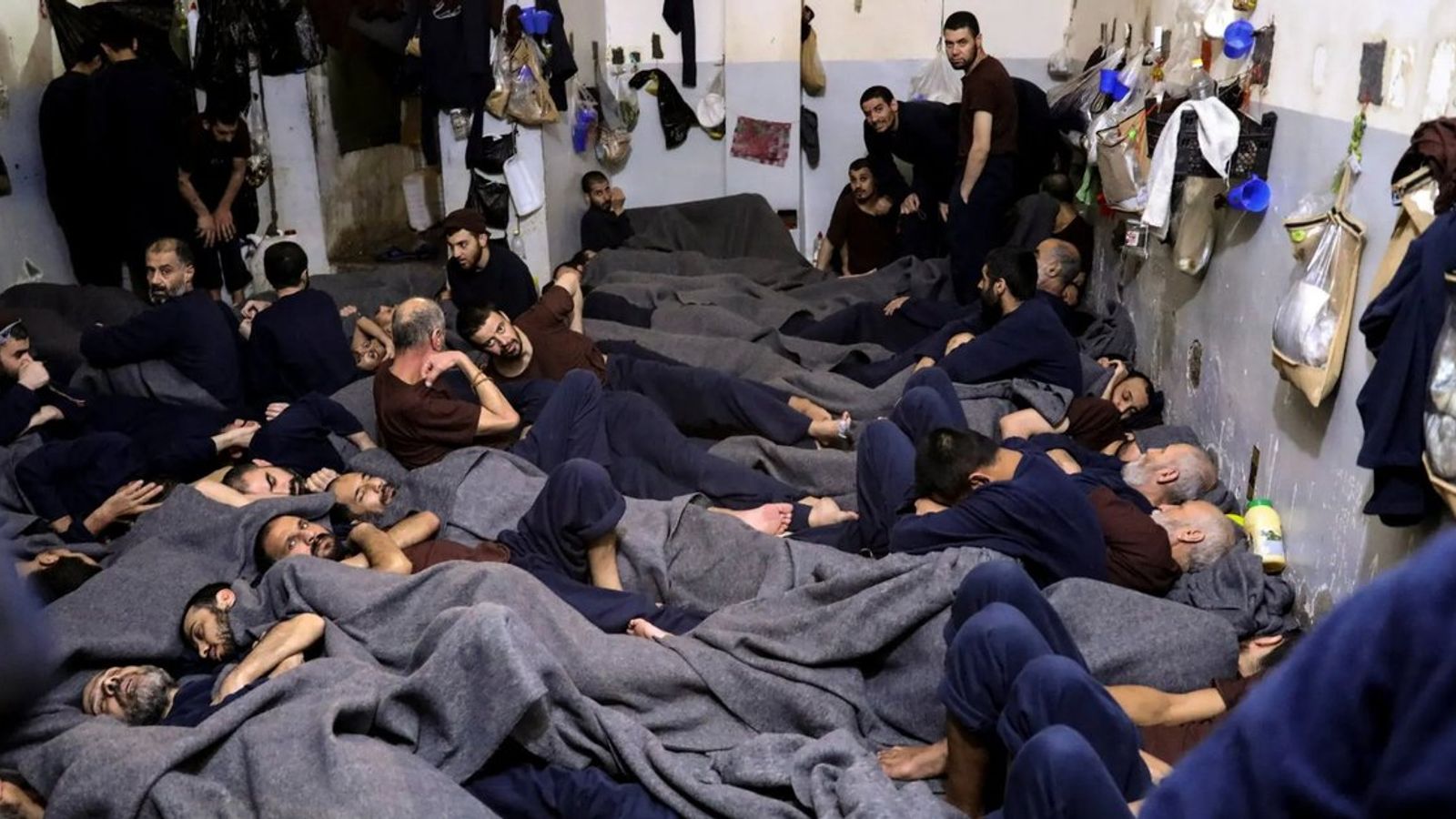
Around 5,500 ISIS prisoners have been transferred from Syria to Iraq under an agreement between the United States, Iraq, and Syria, according to a report by Al Arabiya on Thursday. Among them are 24 Afghan citizens, along with nationals from European countries, Central Asia, Syria, Iraq, and Iran.
Iraqi officials stated that the prisoners will be held in various prisons across the country, with their cases to be reviewed in Iraq's judicial system. Syrians make up more than half of the total. As of Wednesday, 5,046 ISIS prisoners had entered Iraq, including 3,245 Syrians, 271 Iraqis, 208 Tunisians, 160 Turks, 142 Moroccans, and 100 Egyptians.
The United States had previously announced the goal of transferring about 7,000 ISIS prisoners from Syria to ensure they are held in secure detention centers. These individuals were previously detained in prisons and camps in northeast Syria managed by the Syrian Democratic Forces (SDF), or Kurds.
With the expansion of Syrian government control over these areas, Iraqi officials expressed concerns about reduced management capacity, accelerating the transfers. A security official said a significant portion will be held at Nasiriyah prison in Dhi Qar province and Karkh prison near Baghdad International Airport, with fewer at facilities in Sulaymaniyah in Iraqi Kurdistan.
Iraqi officials emphasized that the prisoners will be tried in Iraqi courts, with judicial proceedings already beginning for those who committed crimes against Iraqis. Thousands of Iraqis and foreign nationals accused of ISIS membership are currently imprisoned in Iraq. Baghdad has voiced worries over potential ISIS revival and exploitation of security gaps in Syria.
Human rights groups, including Amnesty International, have raised concerns about the transfers. Amnesty noted severe overcrowding in Iraqi prisons and reports of unfair trials, confessions under torture, and heavy sentences, including death penalties, under Iraq's anti-terrorism law.
ISIS seized large parts of northern and western Iraq and areas of Syria in 2014. The war against the group lasted nearly four years, leading to its military defeat, though scattered cells remain active.
Read the original reporting at Afghanistan International →
Reliability assessment
Single source citing Al Arabiya report with direct attributions to Iraqi officials, U.S. statements, and Amnesty International, providing concrete, checkable details such as specific prisoner numbers, nationalities, locations, and timelines.
Across the newsrooms
Filed by
Afghanistan International
Originating
Filed under
International — ISIS, Afghanistan, Iraq, Syria, Prisoners
Reader supported
Keep Ehtebar running
Every published story uses paid tools to translate reporting, compare sources, extract claims, and produce a clearer read on Afghanistan. Reader support helps keep that work independent.
€5
helps cover daily verification runs
€15
supports a week of source comparison
€50
keeps independent analysis moving