
SOCIETY — February 21, 2026
45-Year-Old Afghan Woman Describes Family Denial of Education
A 45-year-old Afghan woman shared her story of being barred from school by her traditional family despite excelling in literacy classes, as her mother deemed schools unsuitable for girls. She now studies again to campaign for girls' education.
The Ehtebar Desk — originates with Hasht-e Subh — 2 min read
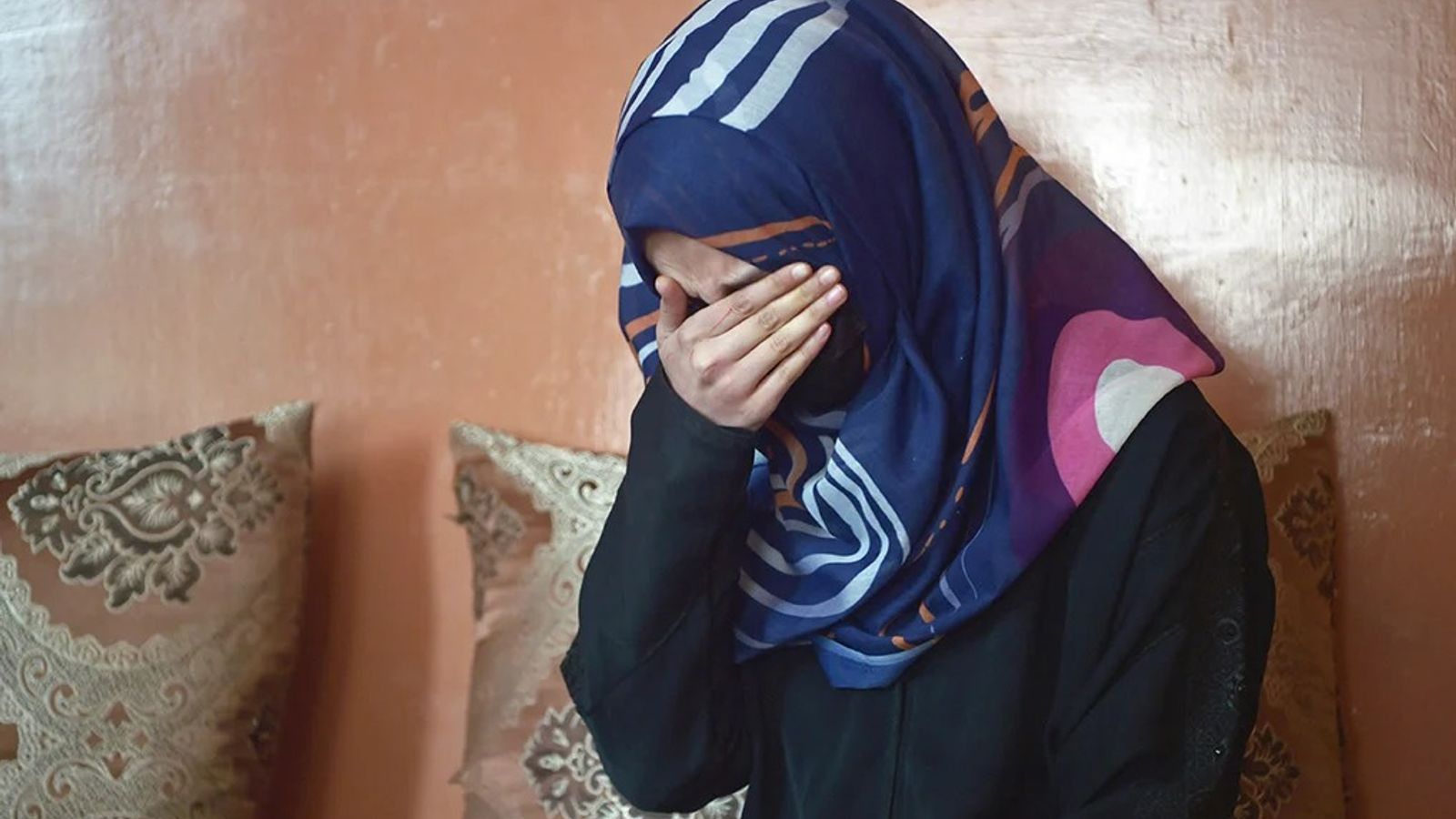
A 45-year-old Afghan woman recounted in Hasht-e Subh how her traditional family prevented her from attending school despite her demonstrated talent, attributing the outcome to fate rather than their decisions.
Born into a large traditional family, she described a time when UNICEF literacy programs allowed boys and girls to learn together at home. She excelled, completing the curriculum in six months. Her teacher visited the home to recommend enrolling her directly in fourth grade at a government school, praising her potential. However, her mother refused, stating the girl was too old and that schools were not suitable for girls.
Days later, the mother enrolled two younger brothers in school. The woman said she would secretly read their books and weep, dreaming of becoming a doctor in a white coat—a regret that persists when visiting hospitals.
Now in her mid-40s, she continues to question her family, who respond that it was her destiny. She noted her brothers attended school but later dropped out as they wished, while she was entirely denied the opportunity.
She has resumed learning, starting with English, to advocate against depriving girls of education and to symbolize resilience for those whose families dictate their futures under the guise of divine fate.
Read the original reporting at Hasht-e Subh →
Reliability assessment
Single source featuring an anonymous first-person personal account lacking specific verifiable details such as names, exact locations, dates, or independent corroboration.
The source language mixes facts with framing or advocacy wording. Loaded phrases include 'made this world a hell for their daughter' (emotional portrayal of family actions), 'deep pain that reaches to the brain and bones' (hyperbolic description of suffering), and 'destroyed her small childish world full of hope' (dramatic framing of a single refusal). These mix personal narrative with strong emotional advocacy.
Across the newsrooms
Filed by
Hasht-e Subh
Originating
Filed under
Society — girls education, women rights, traditional families, Afghanistan
Reader supported
Keep Ehtebar running
Every published story uses paid tools to translate reporting, compare sources, extract claims, and produce a clearer read on Afghanistan. Reader support helps keep that work independent.
€5
helps cover daily verification runs
€15
supports a week of source comparison
€50
keeps independent analysis moving
More in Society
Health Officials and Experts Discuss Rise in Black Jaundice Cases in Afghanistan
— Reliable

Discussion on Agricultural Products and Health Services in Samangan Province
— Reliable
WHO Report Cites Taliban Restrictions and Funding Shortfalls as Threats to Health Services in Afghanistan
— Reliable
Afghan officials report returns of families from Pakistan and Iran alongside releases from Pakistani prisons
— Reliable