
SOCIETY — February 17, 2026
Afghanistan in the Mirror of Human Rights: Reflections on Dignity, Equality and the Future
Hasht-e Subh publishes a reflective analysis on Afghanistan's human rights challenges, focusing on dignity, equality, restrictions on women and freedoms, and cultural preservation.
The Ehtebar Desk — originates with Hasht-e Subh — 2 min read
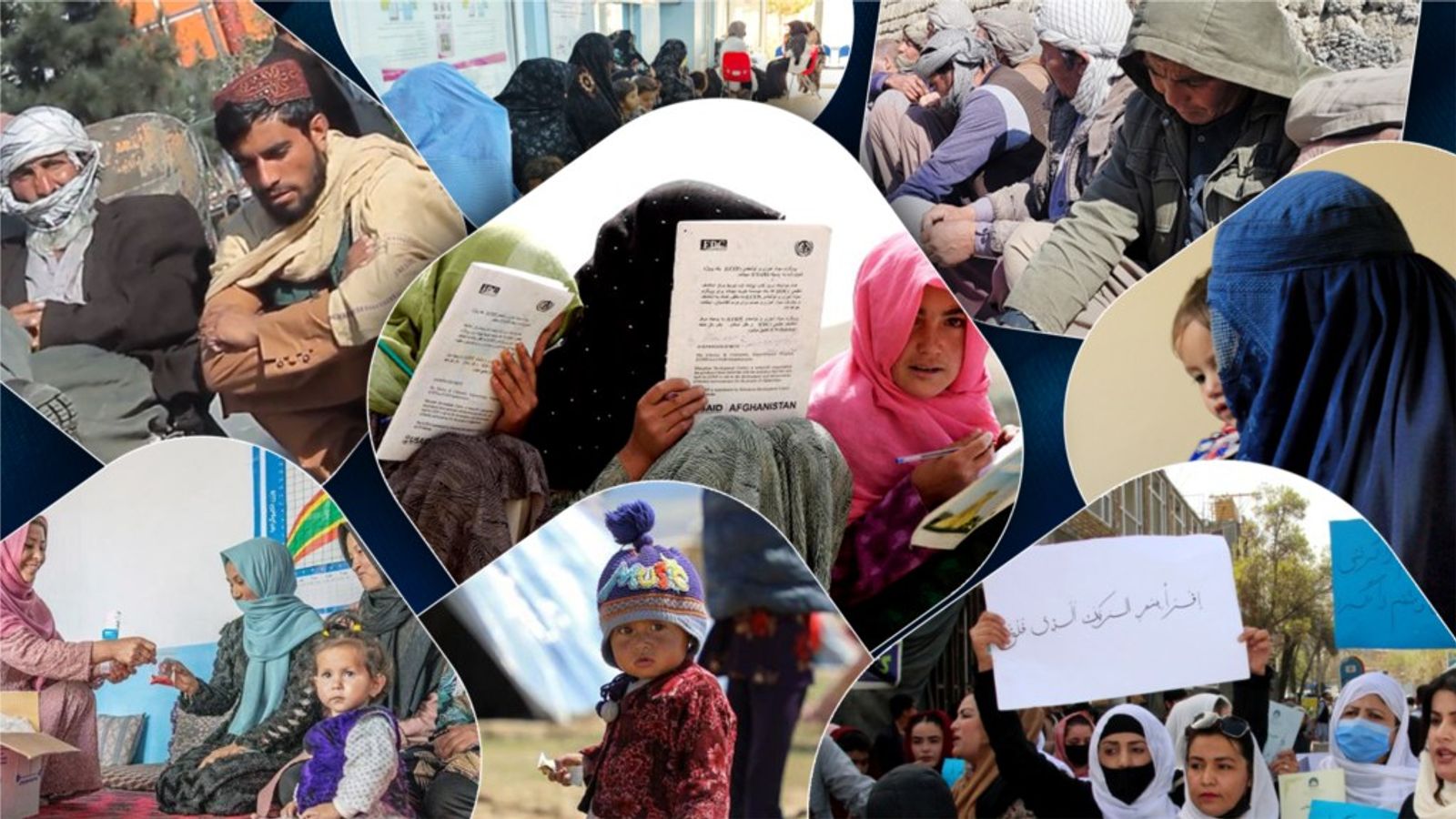
Hasht-e Subh has published an analysis examining Afghanistan's human rights situation through the lens of human dignity, equality, and future prospects. The piece describes the current conditions as a structural crisis affecting civil, political, economic, social, and cultural rights, with particular emphasis on organized deprivations faced by women and girls.
On women's and girls' rights, it highlights the systematic exclusion from secondary and higher education, employment, and social participation, viewing these as violations of non-discrimination, education, and equal opportunity principles. Such restrictions are said to limit half of the human capital from education and knowledge production, constraining future horizons. Economically, bans on women's employment are portrayed as depriving them of financial independence, increasing risks of structural poverty, forced, and early marriages, while undermining family and social development.
In civil and political rights, the analysis points to weakened public participation mechanisms, absence of accountable structures, and lack of an independent judiciary, leading to challenges in access to justice and fair trials. Reports of arbitrary detentions and insufficient procedural safeguards are noted as highlighting gaps with international standards.
Freedom of expression and media face extensive restrictions, including closures of independent outlets, widespread censorship, and pressures on journalists and activists, fostering an environment of fear and self-censorship that limits public access to information and oversight of power.
The right to peaceful assembly and protest is restricted, with forceful responses to civil gatherings conflicting with proportionality principles, marginalizing civic participation.
Social and cultural rights are addressed through limitations on movement, imposed dress codes, and interference in private life, seen as conflicting with personal freedom and dignity. Ethnic and linguistic rights, including mother-tongue education and cultural identity preservation, are said to be undermined, challenging social cohesion. Environmental issues and unsustainable resource use threaten the right to a healthy environment, while cultural heritage preservation, particularly the Persian language as a carrier of history and identity, is emphasized under international covenants.
The piece argues that diminishing the Persian language's role in education, administration, and culture violates cultural identity rights and diversity principles.
Read the original reporting at Hasht-e Subh →
Reliability assessment
Single-source opinion/commentary piece with strongly biased critical framing of the current situation; relies on general assertions and vague references to 'reports' without specific, checkable attributions, named sources, or concrete details.
Across the newsrooms
Filed by
Hasht-e Subh
Originating
Filed under
Society — human rights, women's rights, freedom of expression, cultural heritage, Afghanistan
Reader supported
Keep Ehtebar running
Every published story uses paid tools to translate reporting, compare sources, extract claims, and produce a clearer read on Afghanistan. Reader support helps keep that work independent.
€5
helps cover daily verification runs
€15
supports a week of source comparison
€50
keeps independent analysis moving
More in Society
Health Officials and Experts Discuss Rise in Black Jaundice Cases in Afghanistan
— Reliable
Discussion on Agricultural Products and Health Services in Samangan Province
— Reliable
WHO Report Cites Taliban Restrictions and Funding Shortfalls as Threats to Health Services in Afghanistan
— Reliable
Afghan officials report returns of families from Pakistan and Iran alongside releases from Pakistani prisons
— Reliable