INTERNATIONAL — March 23, 2026
Chinese Researcher Says Taliban Refuses to Fully Meet China's Demands on East Turkestan Islamic Movement
Chinese researcher Liu Zongyi said the Taliban refuses to fully meet China's demands on the East Turkestan Islamic Movement due to historical and cultural ties, while expressing hopes for Chinese investment amid economic challenges. He noted ongoing terrorist activity, persistent drug cultivation and barriers like U.S. sanctions hindering foreign investment.
The Ehtebar Desk — originates with Afghanistan International — 2 min read
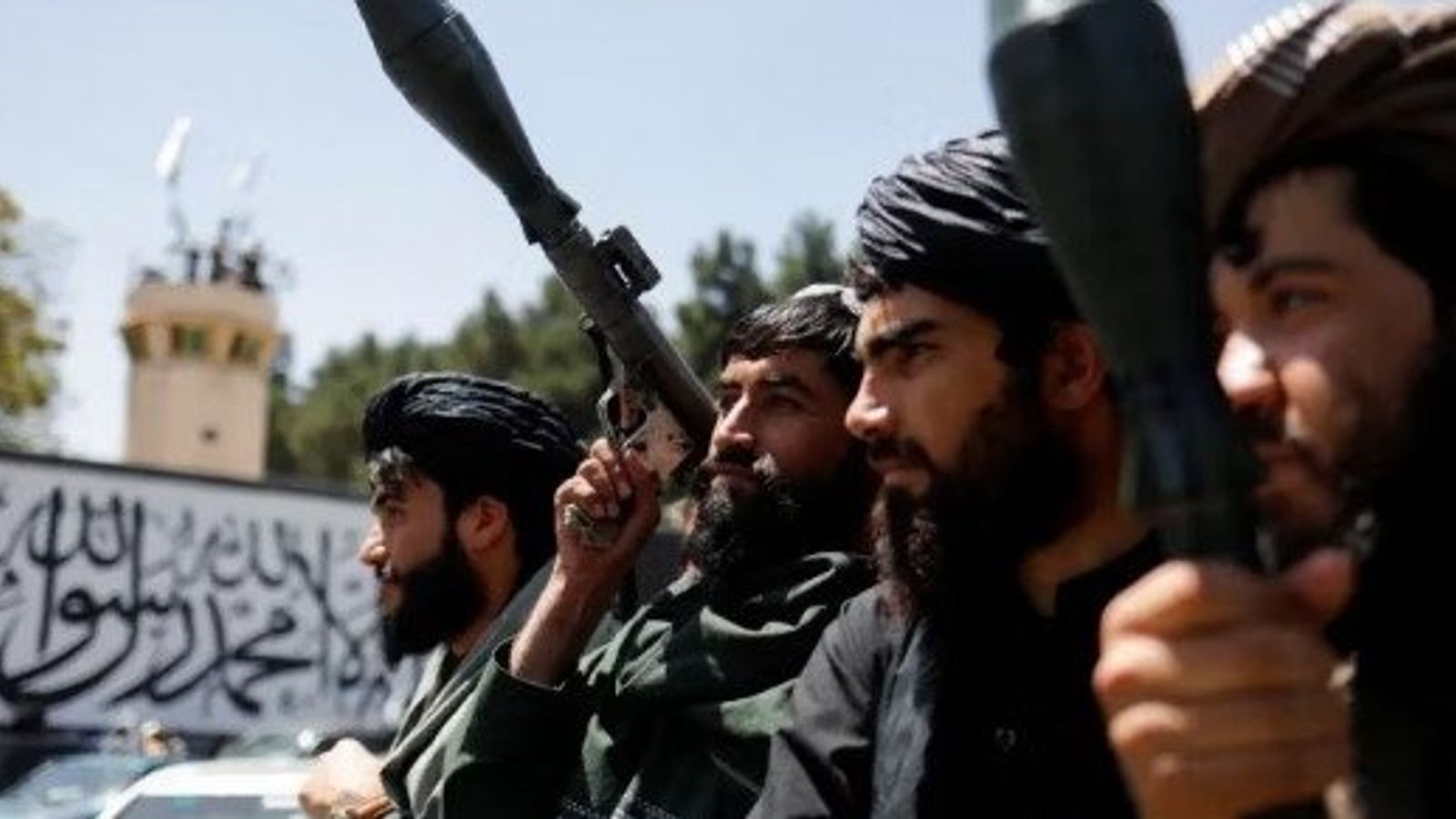
Chinese researcher Liu Zongyi stated that the Taliban refuses to fully meet China's demands regarding the East Turkestan Islamic Movement (ETIM) due to historical friendship from fighting against the Soviets, shared religious beliefs, tribal traditions and inter-ethnic marriages.
In an interview with Guancha magazine, Liu said ETIM has pledged allegiance to the Taliban government and helps it maintain order in parts of Afghanistan, complicating diplomatic issues with China. He noted that security concerns related to ETIM are among the most sensitive points in exchanges between China and the Taliban, with the group claiming full control over ETIM but stopping short of China's requests.
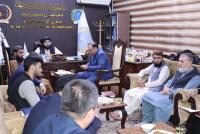
Liu, director of the Center for China-South Asia Cooperation Studies at the Shanghai Institute for International Studies, visited Kabul for four days at the invitation of Taliban Foreign Minister Amir Khan Muttaqi. He held discussions with Taliban Foreign Ministry officials and others.
During the trip, Taliban officials repeatedly expressed hopes for Chinese investment to promote normalization of relations with China, Central Asia and other countries. They stated willingness to establish normal diplomatic ties with any country ready to engage and not pursue past grievances.
Liu highlighted ongoing challenges including activity by several terrorist groups in Afghanistan such as the Islamic State Khorasan branch, ETIM, Tehrik-i-Taliban Pakistan and the Baloch Liberation Army. He said drug cultivation continues, with the economy relying on agriculture, livestock and international aid, including monthly World Bank and UN funds despite reduced Western assistance. Afghanistan's economy has shown steady progress under Taliban rule but has not reached 2020 levels under the previous Ghani government.
Factors hindering investment include U.S. financial sanctions complicating capital inflows and profit transfers, budget shortages, lack of technology, international isolation, weak governance and insecurity from terrorist groups. A Taliban Foreign Ministry official handling China affairs complained that China provides much less aid than the United States and Europeans.
Read the original reporting at Afghanistan International →
Reliability assessment
Single source with direct, on-record attribution from named researcher Liu Zongyi based on his firsthand visit to Kabul at invitation of named Taliban Foreign Minister Amir Khan Muttaqi, including concrete details of meetings, observations, and statements.
The source language reads straight.
Independent web corroboration
An independent web search turned up no separate corroborating reports. Treat the account as single-sourced until more outlets pick it up.
Across the newsrooms
Filed by
Afghanistan International
Originating
Reported straight
Reported straight
Filed under
International — Taliban, China, ETIM, Liu Zongyi, Amir Khan Muttaqi
Reader supported
Keep Ehtebar running
Every published story uses paid tools to translate reporting, compare sources, extract claims, and produce a clearer read on Afghanistan. Reader support helps keep that work independent.
€5
helps cover daily verification runs
€15
supports a week of source comparison
€50
keeps independent analysis moving