INTERNATIONAL — March 8, 2026
Consensus Reached on Next Iranian Leader, Assembly of Experts Member Says
Members of Iran's Assembly of Experts claim majority consensus on the next supreme leader amid a war with the U.S. and Israel, as Saudi Arabia warns against attacks and Iran halts strikes on Gulf neighbors.
The Ehtebar Desk — originates with Ariana News — 2 min read
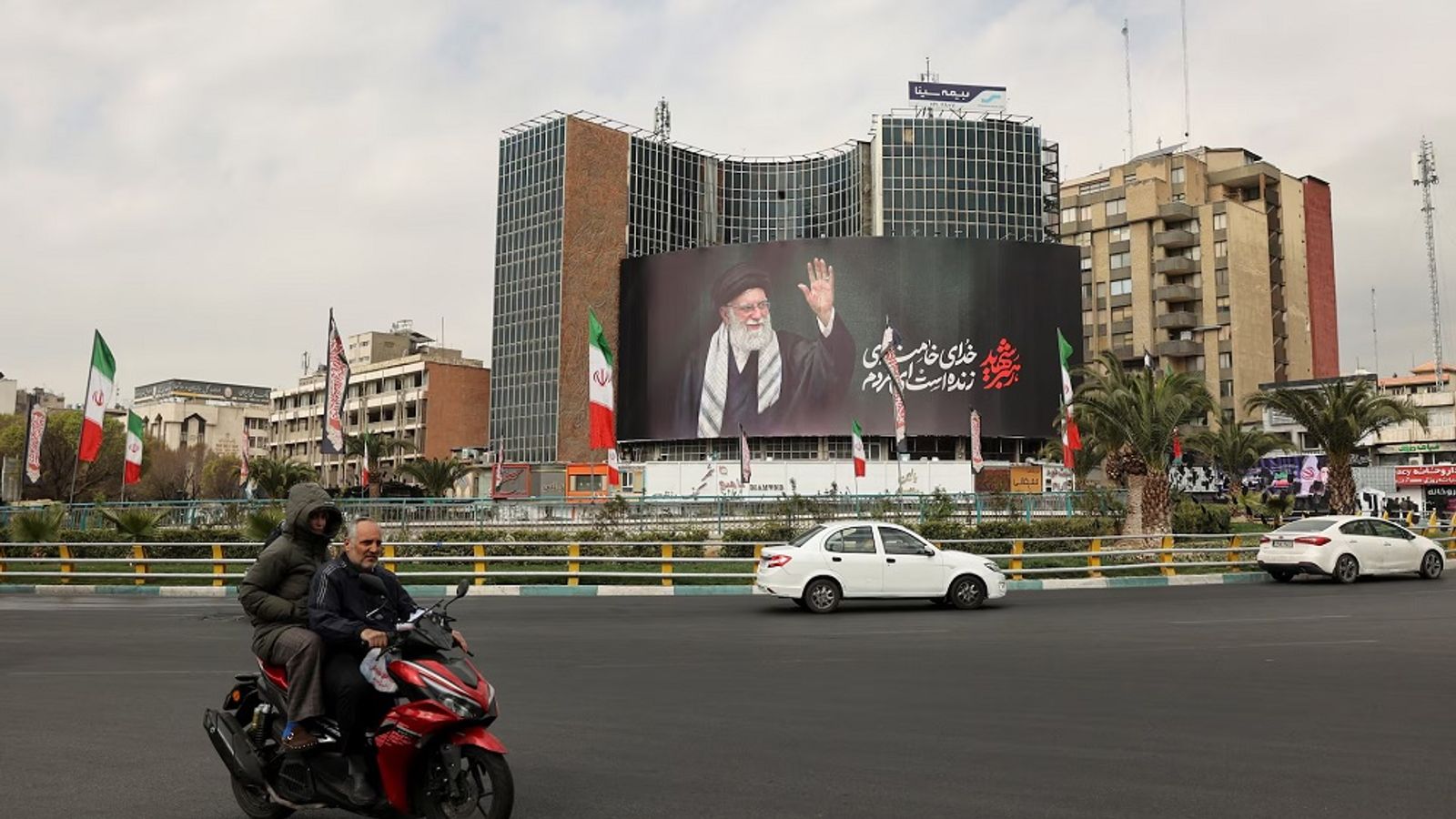
Mohammad Mehdi Mirbagheri, a member of Iran's Assembly of Experts, stated that a majority consensus has formed on the next supreme leader. In a video, he noted that some obstacles remain to be resolved in the process. Iranian media reported a minor disagreement within the assembly over whether the final decision requires an in-person meeting.
Mohsen Heydari Al-Kasir, another assembly member, said in a video that an in-person session for the final vote is not feasible under current conditions. He referenced a recommendation from Ayatollah Ali Khamenei that the leader should be 'hated by the enemy' rather than praised by it. Heydari added that 'even the Great Satan (United States)' has mentioned the selected successor's name. This follows U.S. President Donald Trump's recent statement that Mojtaba Khamenei, son of the late leader, would be an unacceptable choice.
The claims come amid a war between Iran, the United States and Israel that entered its second week. Khamenei was reported killed on the first day of the conflict, which began with U.S. and Israeli operations against Iran on February 28. Iran responded with attacks on Israel and countries hosting U.S. bases, including last week's strikes on the United Arab Emirates, Kuwait, Qatar, Bahrain and Saudi Arabia using drones and missiles.
Saudi Arabia warned Iran against further attacks, with four sources telling Reuters that Riyadh supports diplomatic resolution of Iran-U.S. tensions while maintaining regular contacts with Tehran since the war's start. Saudi Foreign Minister Faisal bin Farhan conveyed this in a call with Iranian Foreign Minister Abbas Araghchi. Iran President Masoud Pezeshkian apologized to Gulf neighbors for attacks on civilian targets and announced that an interim leadership council has halted strikes on neighbors unless provoked. Some Iranian military commanders, however, maintain that U.S. and Israeli bases remain primary targets.
Trump stated that only Iran's 'unconditional surrender' would lead to a deal, after which the U.S. and allies would aid in rebuilding Iran's economy under acceptable leadership. Pezeshkian noted mediation efforts by some countries. Conflicts have spread, with Israel striking Beirut, displacing hundreds of thousands.
Read the original reporting at Ariana News →
Reliability assessment
Single source with named Iranian officials' video statements providing on-record attribution for succession claims, plus citations to Reuters sources for Saudi details; however, core events like Khamenei's death and leadership selection are high-stakes and volatile without independent corroboration.
The source language reads straight.
Across the newsrooms
Filed by
Ariana News
Originating
Filed under
International — Iran, Assembly of Experts, US-Iran war, Saudi Arabia, Masoud Pezeshkian
Reader supported
Keep Ehtebar running
Every published story uses paid tools to translate reporting, compare sources, extract claims, and produce a clearer read on Afghanistan. Reader support helps keep that work independent.
€5
helps cover daily verification runs
€15
supports a week of source comparison
€50
keeps independent analysis moving