
SOCIETY — May 4, 2026
Exile Media Group Condemns Press Restrictions in Afghanistan on World Press Freedom Day
The exile-based group Nai in Exile condemned the Taliban's suppression of press freedom on World Press Freedom Day, alleging domestic media are forced into propaganda and at least four journalists remain detained. The organization urged international observers to recognize the ongoing violations against Afghan journalists.
The Ehtebar Desk — originates with Hasht-e Subh — corroborated by Amu TV — 2 min read
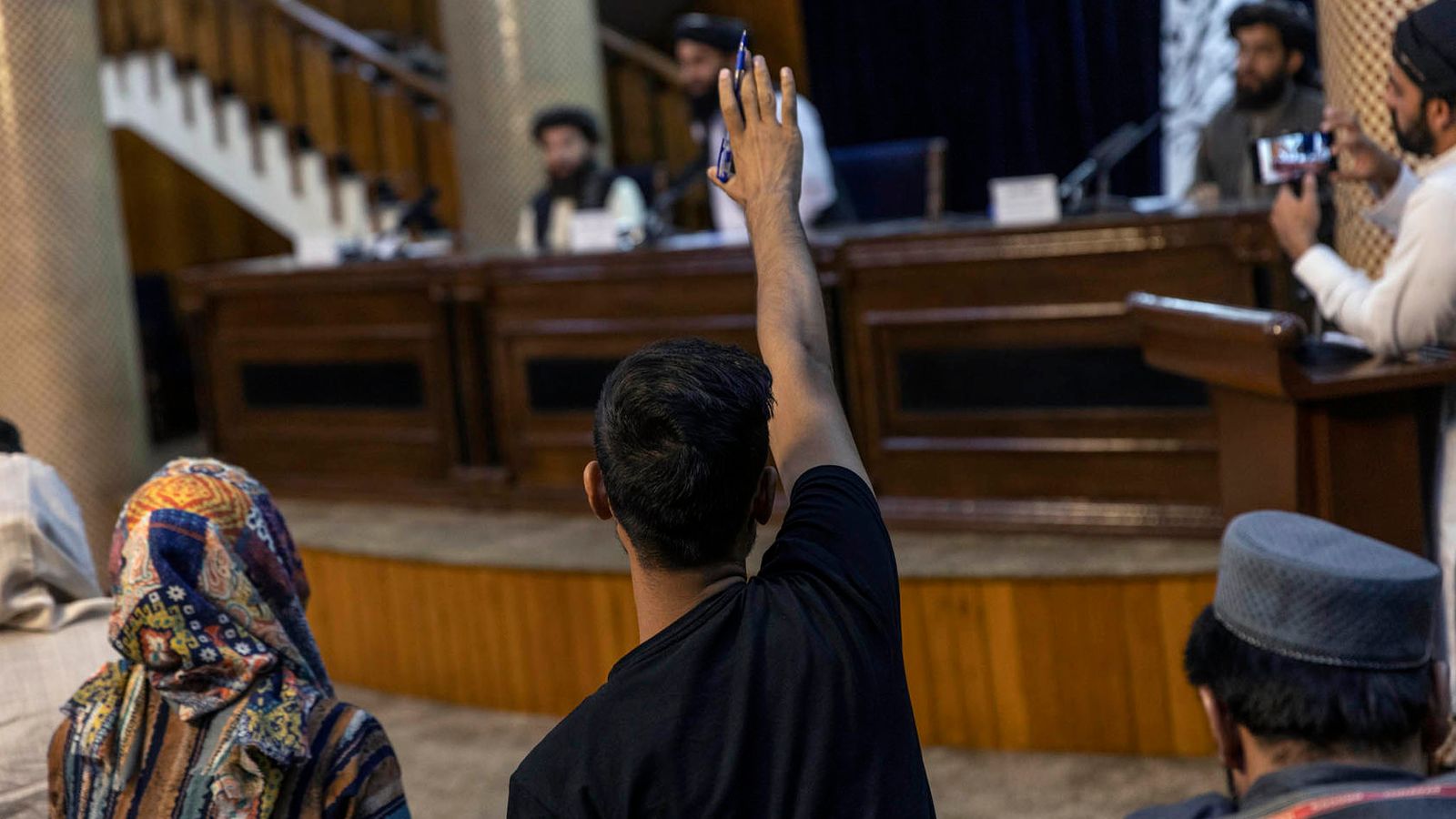
On World Press Freedom Day, the exile-based advocacy organization Nai in Exile issued a statement condemning severe restrictions on media operations in Afghanistan. The group asserted that freedom of expression has been effectively eliminated, alleging that domestic news outlets have been coerced into acting as propaganda channels for the Taliban.
According to the statement, journalists operating within the country face mandatory requirements to use official honorifics for government figures and are barred from reporting on public grievances or security operations in multiple provinces. The advocacy group emphasized that journalists face systematic pressure to align their coverage with state directives, effectively silencing independent reporting on local security and economic conditions.
The statement highlighted ongoing threats against media workers, including arrests, intimidation, and physical abuse, noting that at least four journalists remain in detention. Amu TV identified the detainees as Bashir Hatef, Shakib Nazari, Hamid Farhadi, and Abu Zar Sarem, while Hasht-e Subh reported that United Nations Special Rapporteur Richard Bennett has called for their release.
Additional reporting cited by Amu TV indicates that the Afghanistan Journalists Center documented at least 150 media freedom violations over the past year. Nai in Exile urged the international community to look beyond official narratives and recognize the systematic suppression of independent journalism in the country.
Read the original reporting at Hasht-e Subh →
Reliability assessment
Two independent outlets corroborate the release and core content of the Nai in Exile statement regarding media suppression in Afghanistan. The reporting is directly attributable to a named organization and includes specific, checkable details (dates, named journalists, UN rapporteur attribution, provincial references). The minor variation in supplementary sourcing does not undermine the verification of the core event.
The source language reads straight.
Independent web corroboration
A separate web search returned 8 matching reports. A selection:
The group said that “fake news” has taken a central place in news coverage and that reporting reflecting the daily realities of Afghanistan’s population is largely absent. Nai in Exile said media outlets are unable to report on issues such as alleged abuses or military operations in provinces including Nangarhar, Kunar, Panjshir, Balkh and Kapisa, while giving prominent coverage to Taliban leadership activities.
Across the newsrooms
Where reports agree
- Nai in Exile issued a statement on World Press Freedom Day condemning the Taliban's suppression of media freedom.
- Domestic Afghan media are described as forced propagandists for the Taliban, unable to report on public issues or security operations.
- Journalists face systematic arrests, torture, and imprisonment, with at least four currently detained.
- Both outlets urge the international community to recognize the severity of the situation and not accept the Taliban's public facade.
Where reports differ
- Amu TV names the four imprisoned journalists (Bashir Hatef, Shakib Nazari, Hamid Farhadi, Abu Zar Sarem), while Hasht-e Subh attributes the figure of four imprisoned journalists to UN Special Rapporteur Richard Bennett without naming them.
- Amu TV includes supplementary data from the Afghanistan Journalists Center (150 violations in the past year), which is absent from Hasht-e Subh's report.
Filed by 2 outlets
Hasht-e Subh
Originating
Reported straight
Reported straight
Amu TV
Reported straight
Reported straight
Filed under
Society — Nai in Exile, World Press Freedom Day, Taliban, Media Freedom, Afghanistan Journalists Center
Reader supported
Keep Ehtebar running
Every published story uses paid tools to translate reporting, compare sources, extract claims, and produce a clearer read on Afghanistan. Reader support helps keep that work independent.
€5
helps cover daily verification runs
€15
supports a week of source comparison
€50
keeps independent analysis moving
More in Society
Health Officials and Experts Discuss Rise in Black Jaundice Cases in Afghanistan
— Reliable
Discussion on Agricultural Products and Health Services in Samangan Province
— Reliable
WHO Report Cites Taliban Restrictions and Funding Shortfalls as Threats to Health Services in Afghanistan
— Reliable
Afghan officials report returns of families from Pakistan and Iran alongside releases from Pakistani prisons
— Reliable