INTERNATIONAL — February 19, 2026
German Chancellor Merz Supports Restrictions on Children's Social Media Access
German Chancellor Friedrich Merz has supported proposals to restrict children's access to social media platforms like TikTok and Instagram over concerns about fake news and manipulation. The issue is to be discussed at a CDU party meeting amid similar moves across Europe.
The Ehtebar Desk — originates with Amu TV — 2 min read
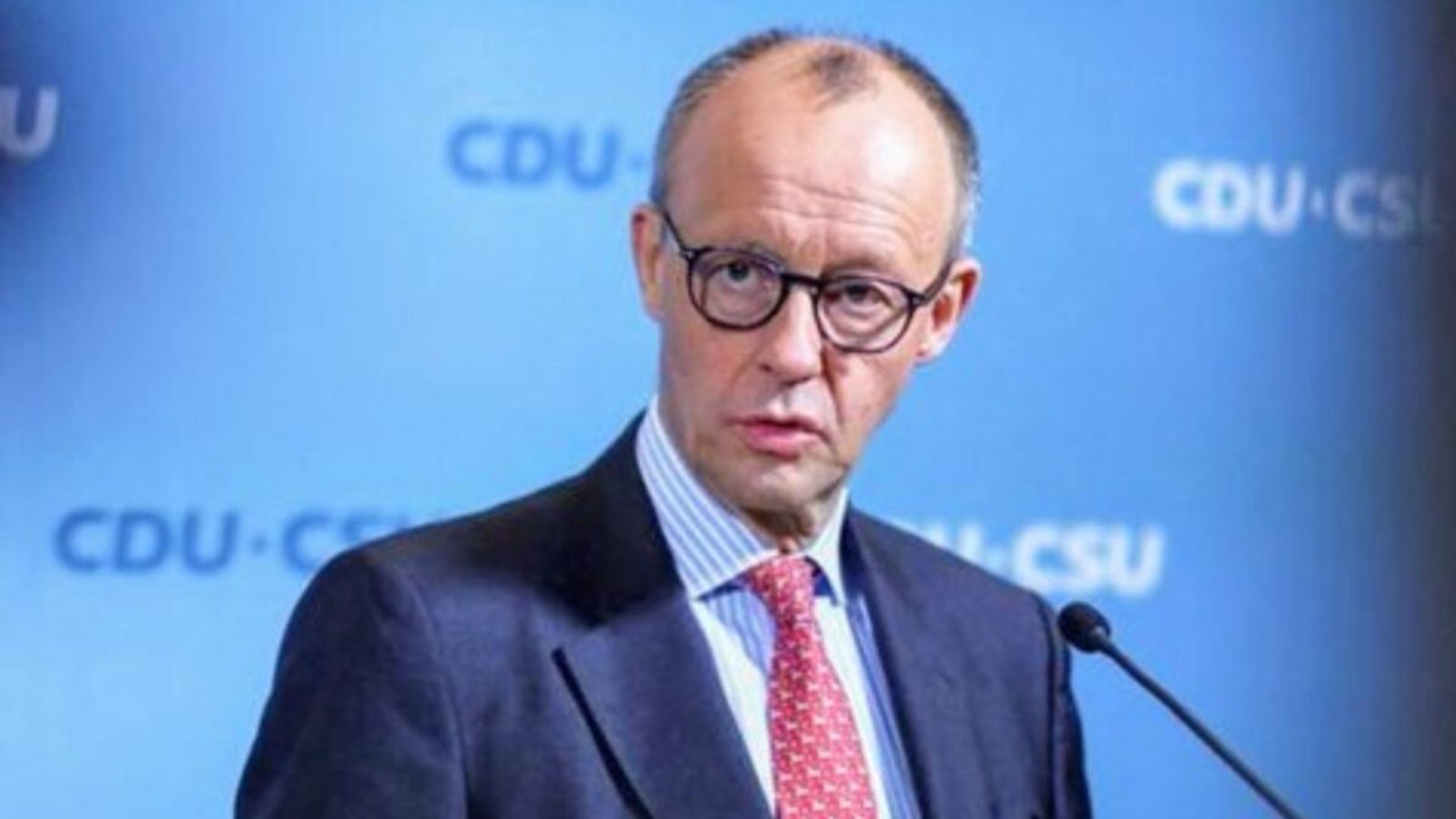
German Chancellor Friedrich Merz has endorsed growing calls in the country to restrict children's access to social media platforms.
Merz stated he has become increasingly convinced of the need for mandatory restrictions due to evidence of harms from the deliberate spread of fake news and other online manipulations. In a speech ahead of his conservative Christian Democratic Union (CDU) party's annual meeting, he questioned: "Do we want to allow fake news, artificially produced fake videos, and distortions to spread through social media?"
Citing that 14-year-olds spend an average of five and a half hours online daily, Merz added: "Do we want to allow our society to be weakened through this, both from inside and outside, and our youth and children to be endangered?"
The CDU party meeting on Friday is set to discuss a proposal banning children under 16 from platforms like TikTok and Instagram. Similar demands have come from Merz's center-left Social Democratic coalition partners.
A number of European countries, including Spain, Greece, France and Britain, are pursuing comparable bans or restrictions, following Australia's lead as the first nation to mandate platforms block children's access last year.
Merz acknowledged: "Two years ago, I probably would have said something else, but I completely underestimated the importance of algorithms, artificial intelligence, and targeted, controlled influence -- just as probably all of us did."
He dismissed arguments for gradually introducing youth to social media, equating it to teaching six-year-olds to drink alcohol.
Merz's backing raises the prospect of federal restrictions, though under Germany's federal system, media regulation is a state responsibility requiring interstate agreement for nationwide rules.
Discussions on social media's negative effects on children have intensified, with the government appointing a special commission last year to assess youth protections from online harms. The commission is due to report later this year.
Read the original reporting at Amu TV →
Reliability assessment
Single source provides direct, on-record quotes from named Chancellor Friedrich Merz at a specific event (speech before CDU annual meeting), with concrete details such as average online time for 14-year-olds and named platforms.
Across the newsrooms
Filed by
Amu TV
Originating
Filed under
International — Germany, Friedrich Merz, Social Media, Children, CDU
Reader supported
Keep Ehtebar running
Every published story uses paid tools to translate reporting, compare sources, extract claims, and produce a clearer read on Afghanistan. Reader support helps keep that work independent.
€5
helps cover daily verification runs
€15
supports a week of source comparison
€50
keeps independent analysis moving