INTERNATIONAL — May 4, 2026
Germany Urges Iran to Reopen Strait of Hormuz and Halt Nuclear Program
German Foreign Minister Johann Wadephul has urged Iran to reopen the Strait of Hormuz and permanently halt its nuclear program amid transatlantic policy tensions. Meanwhile, Tehran has reportedly submitted a three-phase peace proposal via Pakistan aimed at securing a permanent ceasefire and restoring maritime access.
The Ehtebar Desk — originates with Khaama Press — 2 min read
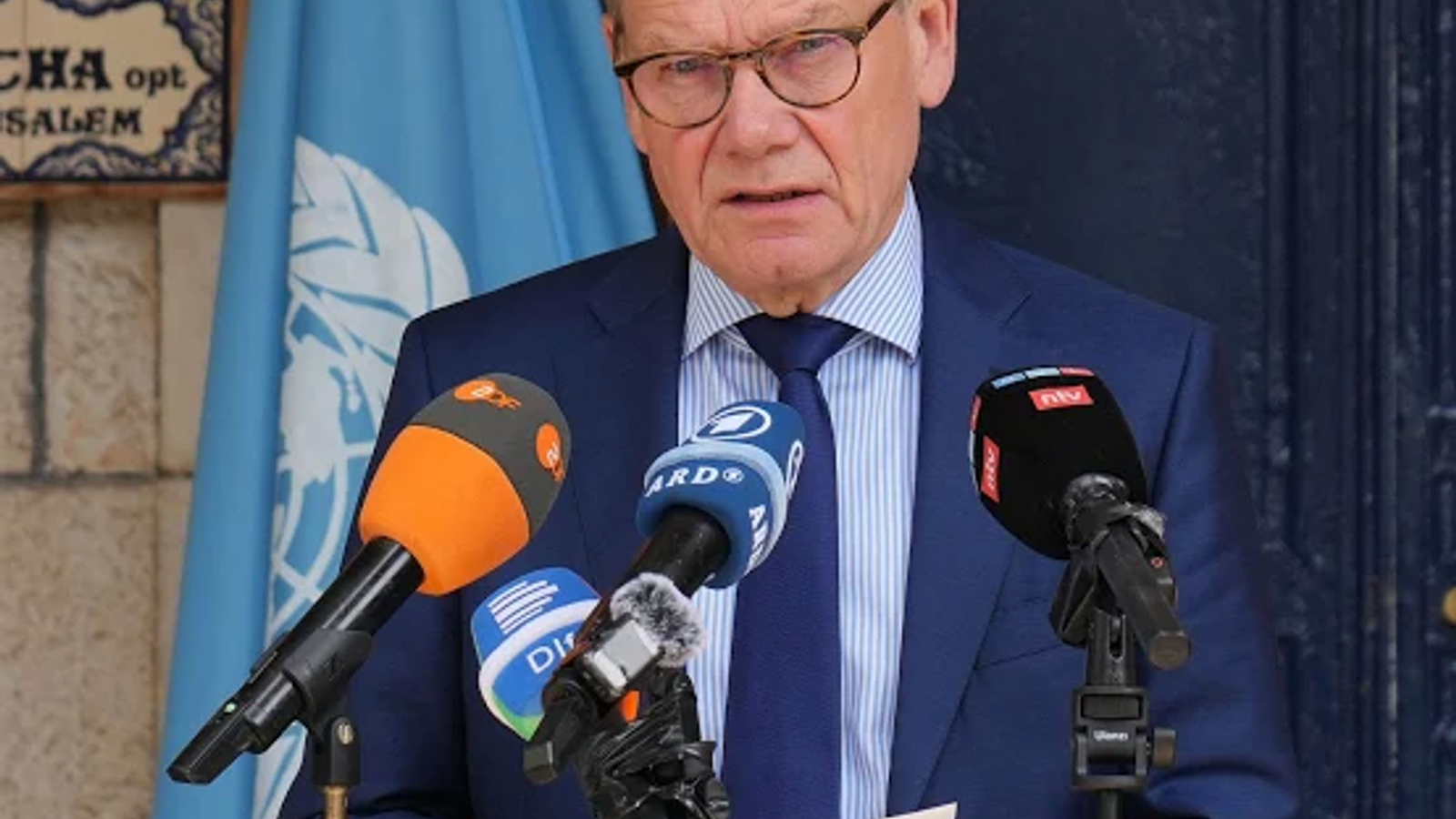
German Foreign Minister Johann Wadephul has called on Iran to reopen the Strait of Hormuz and permanently halt its nuclear program, according to recent diplomatic communications. During a phone conversation with Iranian Foreign Minister Abbas Araghchi, Wadephul emphasized Berlin’s position that Tehran must verifiably abandon any path toward developing nuclear weapons, aligning with longstanding United States objectives.
The diplomatic exchange occurs amid heightened transatlantic tensions over Middle East policy. U.S. President Donald Trump recently criticized European partners, including Germany, Spain, and Britain, for what he described as insufficient alignment with Washington’s approach to regional conflicts. In response, German Chancellor Friedrich Merz publicly questioned aspects of U.S. strategy in the Middle East, highlighting growing policy divergences between the two allies.
Concurrently, Iranian officials have reportedly advanced a three-phase peace proposal to the United States through Pakistani intermediaries. The plan aims to transform existing ceasefire arrangements into a permanent resolution within thirty days. Key components include mutual non-aggression guarantees and a structured, phased reopening of the Strait of Hormuz to restore international maritime traffic.
The Strait of Hormuz remains a critical global shipping corridor, and its restricted access has drawn widespread international concern. German authorities have reiterated that sustained diplomatic engagement and verifiable commitments are essential to de-escalating regional tensions and ensuring long-term stability. Both Berlin and Washington continue to monitor developments closely as diplomatic channels remain active.
Read the original reporting at Khaama Press →
Reliability assessment
Single-source report that meets the reliability threshold due to direct, on-record attribution to named officials (German FM Johann Wadephul, German Chancellor Friedrich Merz, Iranian FM Abbas Araghchi, U.S. Secretary of State Marco Rubio) and concrete diplomatic details. The core event (high-level diplomatic communications regarding Iran's nuclear program and the Strait of Hormuz) is clearly attributed and checkable.
The source language reads straight.
Across the newsrooms
Filed by
Khaama Press
Originating
Reported straight
Reported straight
Filed under
International — Germany, Iran, Strait of Hormuz, Nuclear Program, Diplomacy
Reader supported
Keep Ehtebar running
Every published story uses paid tools to translate reporting, compare sources, extract claims, and produce a clearer read on Afghanistan. Reader support helps keep that work independent.
€5
helps cover daily verification runs
€15
supports a week of source comparison
€50
keeps independent analysis moving