
SOCIETY — March 12, 2026
Guardian Reports Afghan Woman's Divorce Request Rejected by Taliban Court Despite Domestic Violence Claims
The Guardian reported that a woman in northern Afghanistan using the pseudonym Farzaneh had her divorce request rejected by a Taliban court despite detailing repeated domestic violence, including a beating with a phone charger cord. Activists and UN figures, including Malala Yousafzai and Susan Ferguson, highlighted escalating challenges for women's rights under Taliban rule.
The Ehtebar Desk — originates with Amu TV — 2 min read
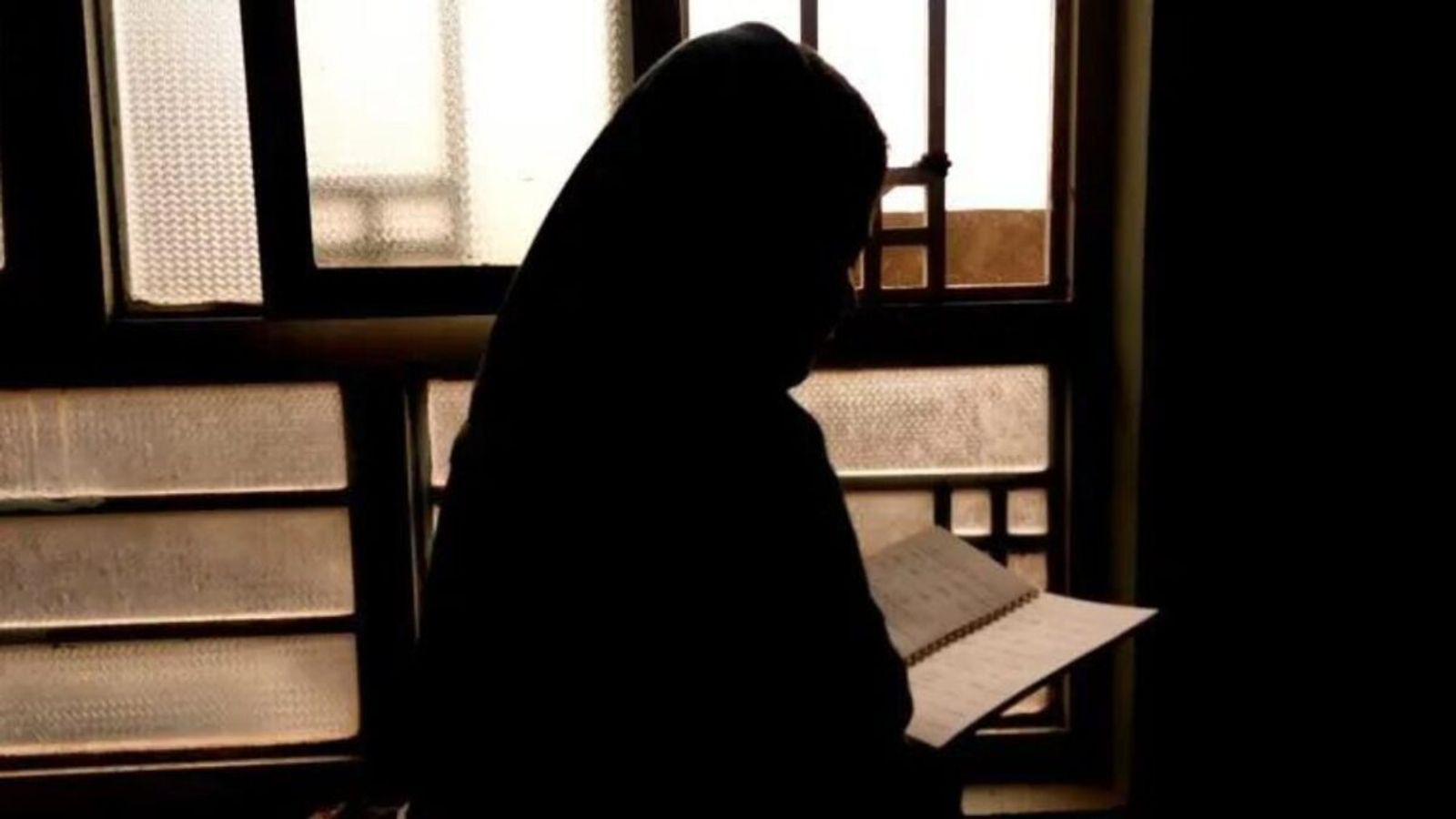
A woman in northern Afghanistan who gave her name as Farzaneh to The Guardian said a court under Taliban administration rejected her request for divorce despite her claims of repeated domestic violence by her husband.
Farzaneh said her husband had beaten her multiple times, including once with a phone charger cord. After the incident, she decided to seek divorce to end the violence. However, she said the judge rejected her request, asking if she wanted divorce "only for this reason." The judge demanded proof of the violence and instructed her to return home and continue living with her husband.
The court also told her she could not oppose her husband's decision to take a second wife.
Women's rights activists say such cases are increasing in Afghanistan. Sharzad Akbar, head of the Rawadari human rights organization, told The Guardian that women in many cases must either endure domestic violence or turn to courts that often send them back to the same homes.
Nobel Peace Prize laureate Malala Yousafzai said at the United Nations that the widespread restrictions on women in Afghanistan cannot be considered culture or religion, describing them as "gender apartheid."
Susan Ferguson, UN Women special representative for Afghanistan, warned that if the international community remains silent on the restrictions and pressures facing Afghan women, the consequences could extend beyond Afghanistan.
Read the original reporting at Amu TV →
Reliability assessment
Single source (Amu TV reporting The Guardian) provides concrete details including pseudonym witness account with specific incident (beating with phone charger cord in northern Afghanistan) and on-record quotes from named individuals (Sharzad Akbar, Malala Yousafzai, Susan Ferguson).
The source language reads straight.
Across the newsrooms
Filed by
Amu TV
Originating
Filed under
Society — Taliban, women's rights, domestic violence, Afghanistan, Guardian
Reader supported
Keep Ehtebar running
Every published story uses paid tools to translate reporting, compare sources, extract claims, and produce a clearer read on Afghanistan. Reader support helps keep that work independent.
€5
helps cover daily verification runs
€15
supports a week of source comparison
€50
keeps independent analysis moving
More in Society

Health Officials and Experts Discuss Rise in Black Jaundice Cases in Afghanistan
— Reliable

Discussion on Agricultural Products and Health Services in Samangan Province
— Reliable
WHO Report Cites Taliban Restrictions and Funding Shortfalls as Threats to Health Services in Afghanistan
— Reliable
Afghan officials report returns of families from Pakistan and Iran alongside releases from Pakistani prisons
— Reliable