INTERNATIONAL — February 14, 2026
Hasht-e Subh Critiques Iranian Ambassador Bikdeli's Interview on Recognizing Islamic Emirate
Hasht-e Subh criticizes Iranian Ambassador Alireza Bikdeli's ToloNews interview for evading calls for an inclusive government and specifics on recognizing the Islamic Emirate, contrasting it with prior Iranian policy.
The Ehtebar Desk — originates with Hasht-e Subh — 2 min read
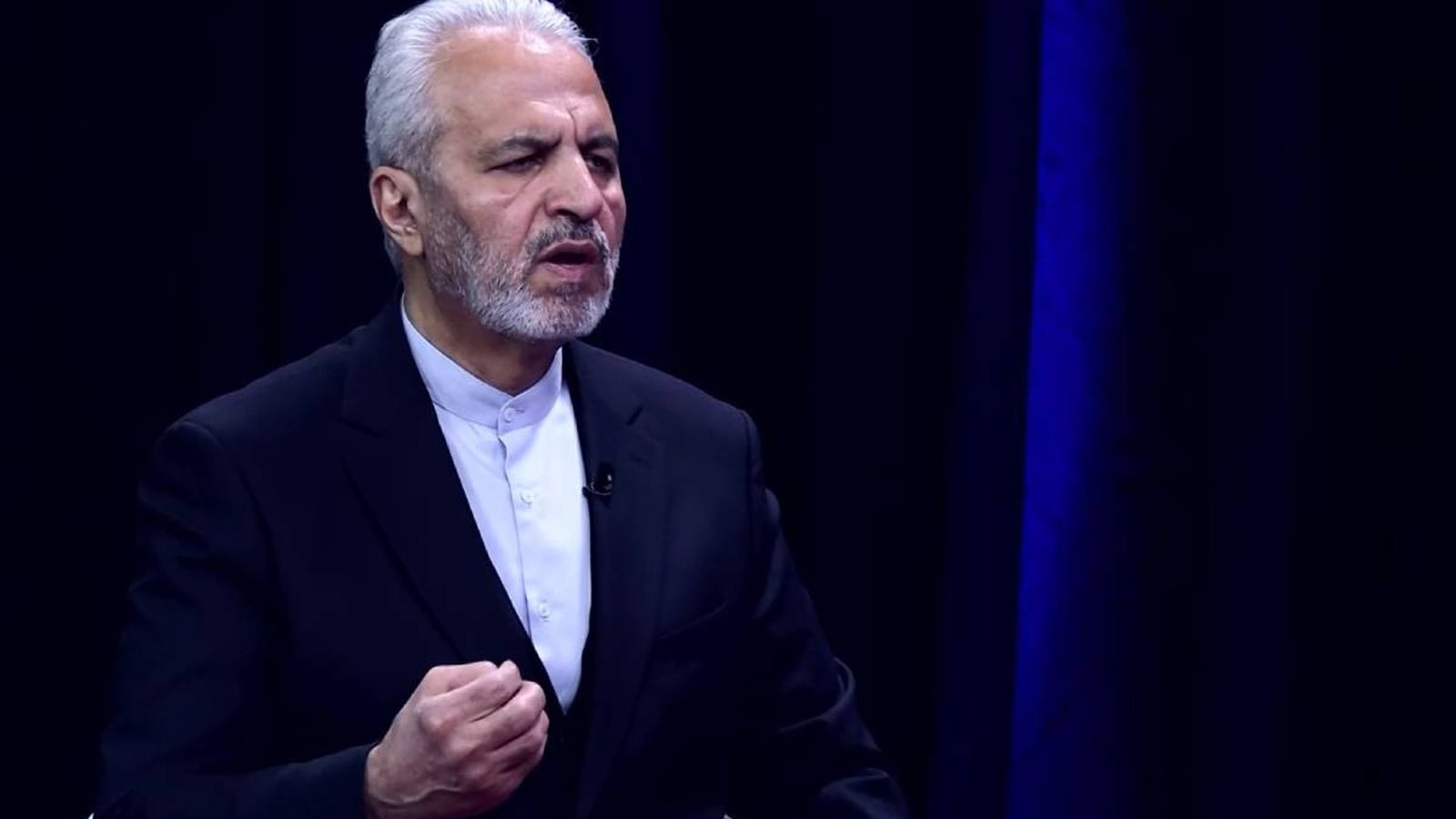
Hasht-e Subh published an analysis of a recent interview by Alireza Bikdeli, Iran's ambassador to Afghanistan, with ToloNews, in which he addressed Iran's non-recognition of the Islamic Emirate of Afghanistan.
The piece argues that Bikdeli, unlike previous Iranian officials, has not mentioned the need for an inclusive government involving all ethnic groups and political factions since taking office. It notes that this concept was a staple in Iran's foreign policy toward Afghanistan after the Taliban's return to power, with the previous government under President Ebrahim Raisi's administration repeatedly stating that lasting stability requires participation of non-Taliban forces. Previous ambassador Hassan Kazemi Qomi occasionally referenced an inclusive government, which irritated the Taliban, but Bikdeli has omitted it entirely, neither as a condition for recognition, political advice, nor ethical demand.
During the interview, the host repeatedly asked what changes the Taliban must make for recognition, framing questions around an inclusive government and human rights, particularly women's and girls' rights. Examples include: "People of Afghanistan want to know why the Islamic Republic has not recognized the Islamic Emirate? What are you waiting for? What needs to change?" and "Are you waiting for actions [from the Taliban]?" Bikdeli reportedly evaded direct answers, focusing instead on general bilateral cooperation and neighborly relations without specifying required actions.
The analysis highlights Bikdeli's rejection of the idea that Iran awaits U.S. recognition, emphasizing Tehran's independent decision-making. The host noted Taliban officials' claims that other countries follow the U.S. lead on recognition. Hasht-e Subh contends this stance overlooks international realities where major powers influence global legitimacy of new regimes.
It suggests the shift away from 'inclusive government' rhetoric under Iran's new reformist-led 14th government may indicate changing priorities toward Afghanistan.
Read the original reporting at Hasht-e Subh →
Reliability assessment
Single source opinion/analysis piece with second-hand reporting of named official's (Bikdeli) interview statements; includes concrete question examples but features strongly biased, critical framing against Bikdeli and Taliban.
Across the newsrooms
Filed by
Hasht-e Subh
Originating
Filed under
International — Iran, Taliban, Islamic Emirate, Bikdeli, inclusive government
Reader supported
Keep Ehtebar running
Every published story uses paid tools to translate reporting, compare sources, extract claims, and produce a clearer read on Afghanistan. Reader support helps keep that work independent.
€5
helps cover daily verification runs
€15
supports a week of source comparison
€50
keeps independent analysis moving