
SOCIETY — March 8, 2026
Hasht-e Subh: Issue of Afghan Women Not Just Women's Issue but Societal One on International Women's Day
Hasht-e Subh commentary on International Women's Day portrays Afghan women's rights struggles as a broader societal issue, criticizing international inaction and calling for diaspora-led internal unity against Taliban suppression.
The Ehtebar Desk — originates with Hasht-e Subh — 2 min read
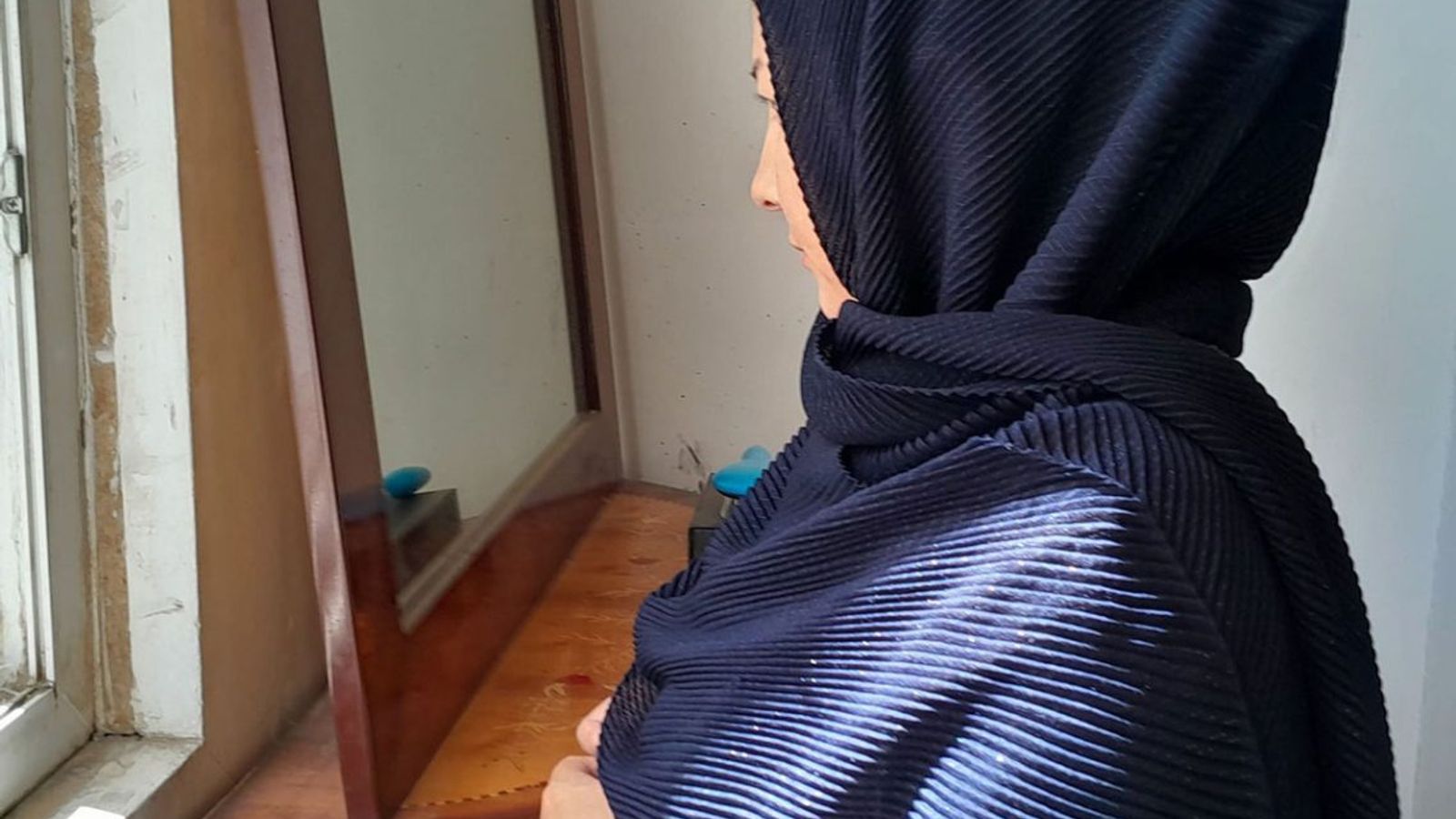
Hasht-e Subh published a commentary on International Women's Day stating that Afghan women have spent over four years protesting, documenting abuses, and raising awareness through street actions, people's courts, and reports, but the international community sees and hears without taking action.
The piece criticizes the global response to human rights in Afghanistan as dualistic: documenting abuses as routine work without commitment to change. It notes that human rights groups issue reports and hold sessions but fail to bridge the gap to actual intervention. Meanwhile, daily suffering intensifies, with claims of increasing suicides among girls, women in deprivation, and people facing torture, imprisonment, humiliation, and death. These are said to become mere archived files without impacting lives.
The commentary argues these years have eroded mental health, social fabric, and lives irreversibly. It calls for shifting energy from international reliance to internal awareness and pressure. Early protests saw women and men united, but Taliban force with guns and whips scattered them, silencing voices inside through threats and arrests. Women's plight was reduced to a 'women's issue,' with men showing indifference or mockery, widening divides between genders and between inside and outside Afghanistan.
It urges the Afghan diaspora to build networks of awareness, trust, and resistance, connecting with people inside to multiply education, motivation, and support. Diaspora should foster shared understanding of suffering to spark sustainable social movements. Resistance is defined broadly as any act against suppression and indifference. Changes driven by Afghans themselves would endure, with diaspora as a lever to break internal apathy. Freedom, it concludes, must emerge from within the nation through unity of women and men inside and outside.
Read the original reporting at Hasht-e Subh →
Reliability assessment
Single opinion piece containing unsubstantiated claims about events like increasing suicides and protest suppression without named sources, officials, or checkable details.
The source language mixes facts with framing or advocacy wording. 'زنان مبارز افغانستان' ('fighting women of Afghanistan') frames activists heroically; 'زور تفنگ و شلاق طالبانی' ('Taliban gun and whip force') uses violent imagery for emotional impact; 'دختران بیشتری خودکشی میکنند' ('more girls commit suicide') employs unsubstantiated escalation for advocacy effect.
Across the newsrooms
Filed by
Hasht-e Subh
Originating
Filed under
Society — Afghan women, International Women's Day, Afghan diaspora, Taliban suppression, protests
Reader supported
Keep Ehtebar running
Every published story uses paid tools to translate reporting, compare sources, extract claims, and produce a clearer read on Afghanistan. Reader support helps keep that work independent.
€5
helps cover daily verification runs
€15
supports a week of source comparison
€50
keeps independent analysis moving
More in Society
Health Officials and Experts Discuss Rise in Black Jaundice Cases in Afghanistan
— Reliable

Discussion on Agricultural Products and Health Services in Samangan Province
— Reliable
WHO Report Cites Taliban Restrictions and Funding Shortfalls as Threats to Health Services in Afghanistan
— Reliable
Afghan officials report returns of families from Pakistan and Iran alongside releases from Pakistani prisons
— Reliable