
SOCIETY — February 14, 2026
Hasht-e Subh: Nation-Building or Intellectual Illusion?
Hasht-e Subh publishes an opinion piece questioning if Afghanistan is a true nation or trapped in an intellectual illusion of nation-building, citing lacks in trust, institutions, shared history, and practical reforms.
The Ehtebar Desk — originates with Hasht-e Subh — 2 min read
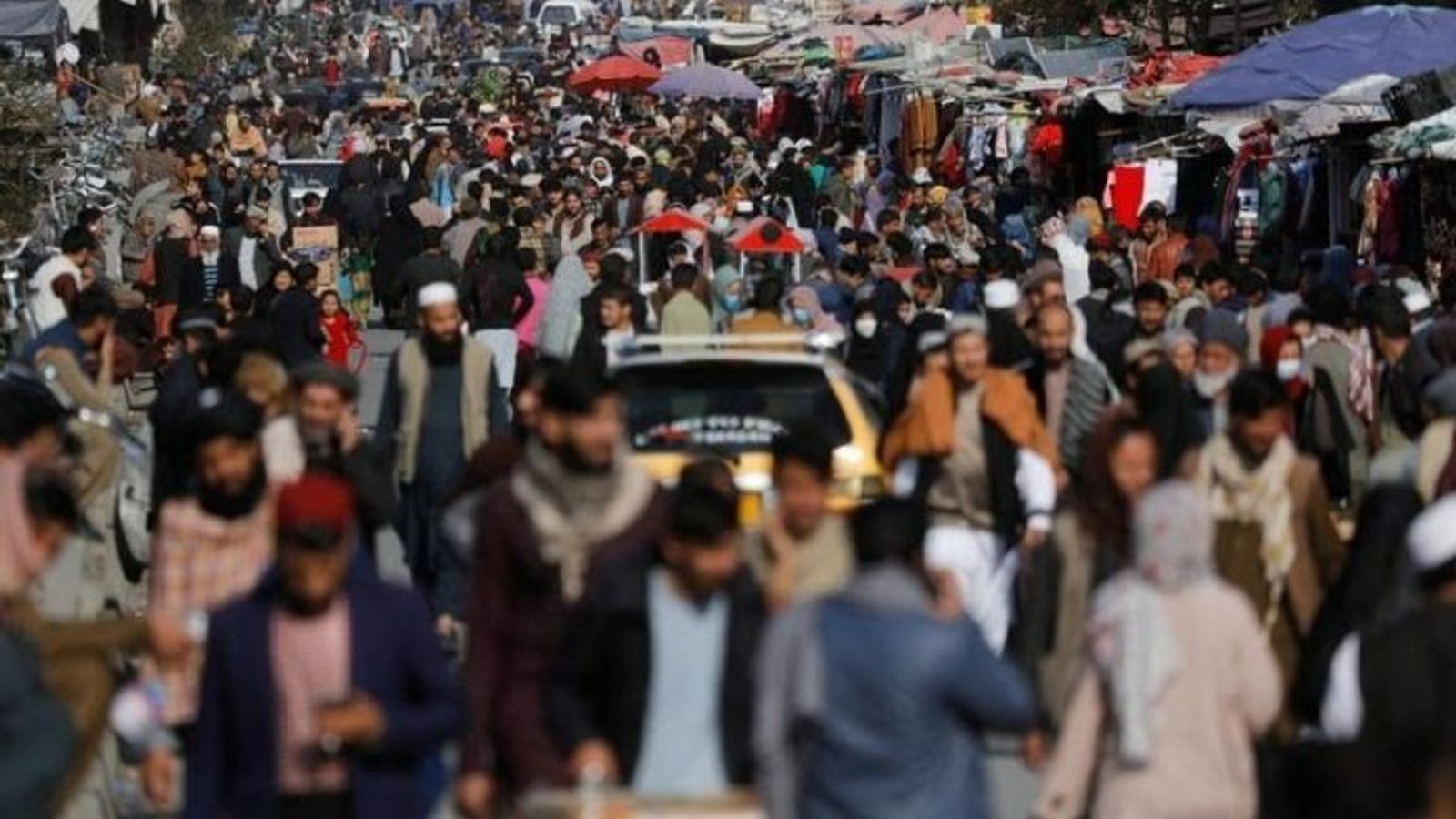
In an opinion piece titled 'Nation-Building or Intellectual Illusion?', Hasht-e Subh argues that the concept of 'nation' in Afghanistan has become more of a frequently invoked slogan than a lived reality. Politicians mention it, intellectuals write about it, civil activists shout it, and media repeat it, but few dare to question whether Afghanistan has actually become a nation or is merely repeating a collective wish, the piece states.
The article contends that a nation is not a natural phenomenon but is built through accumulated historical experience, enduring institution-building, continuous education, and agreement on political rules. It emerges when people with different languages, cultures, and memories accept living under a single law and equal rights. Without this, society remains islands of distrust sharing only geographic borders.
Intellectuals can bridge thought and reality, understand societal pain, and propose practical solutions, or they can deepen the crisis by remaining in ivory towers with abstract concepts, according to the author. Repeated terms like national identity, unity, solidarity, and shared culture have not translated into social structures, creating a deep gap between rhetoric and action that younger generations feel acutely.
The piece highlights the lack of agreement on the definition of 'us,' with each social group carrying conflicting historical memories and unhealed wounds fostering distrust. Nation-building requires reconciliation with the past—not forgetting, but accepting complexity and shared responsibility. It criticizes extreme personalization of politics, where weak institutions lead to reliance on individuals, undermining institutionalization and legal supremacy.
Trust is described as the hidden capital of any nation, essential for cooperation and development. Chronic distrust turns society into closed networks, weakening political belonging. The youth, facing unemployment, migration, insecurity, and structural limits amid grand narratives of history and identity, experience disillusionment. True nation-building demands equal opportunities, quality education, and real participation.
The author calls for courage in self-criticism, where groups acknowledge their role in perpetuating distrust and discrimination, enabling honest dialogue. Intellectuals must first critique themselves to move beyond illusion.
Read the original reporting at Hasht-e Subh →
Reliability assessment
Single-source opinion/analysis piece from established outlet with no factual claims about events requiring corroboration; content is directly attributable and verifiable as published.
Across the newsrooms
Filed by
Hasht-e Subh
Originating
Filed under
Society — Afghanistan, nation-building, intellectuals, social trust, youth
Reader supported
Keep Ehtebar running
Every published story uses paid tools to translate reporting, compare sources, extract claims, and produce a clearer read on Afghanistan. Reader support helps keep that work independent.
€5
helps cover daily verification runs
€15
supports a week of source comparison
€50
keeps independent analysis moving
More in Society
Health Officials and Experts Discuss Rise in Black Jaundice Cases in Afghanistan
— Reliable
Discussion on Agricultural Products and Health Services in Samangan Province
— Reliable
WHO Report Cites Taliban Restrictions and Funding Shortfalls as Threats to Health Services in Afghanistan
— Reliable
Afghan officials report returns of families from Pakistan and Iran alongside releases from Pakistani prisons
— Reliable