
POLITICS — February 14, 2026
Hasht-e Subh: Taliban's 'Penal Principles Charter for Courts' Violates Fundamental Human Rights
Hasht-e Subh analyzes a Taliban-issued 'Penal Principles Charter for Courts' as promoting slavery through terms like 'ghulam' and 'malik/badar,' cruel punishments, and discrimination, in violation of international human rights standards.
The Ehtebar Desk — originates with Hasht-e Subh — 2 min read
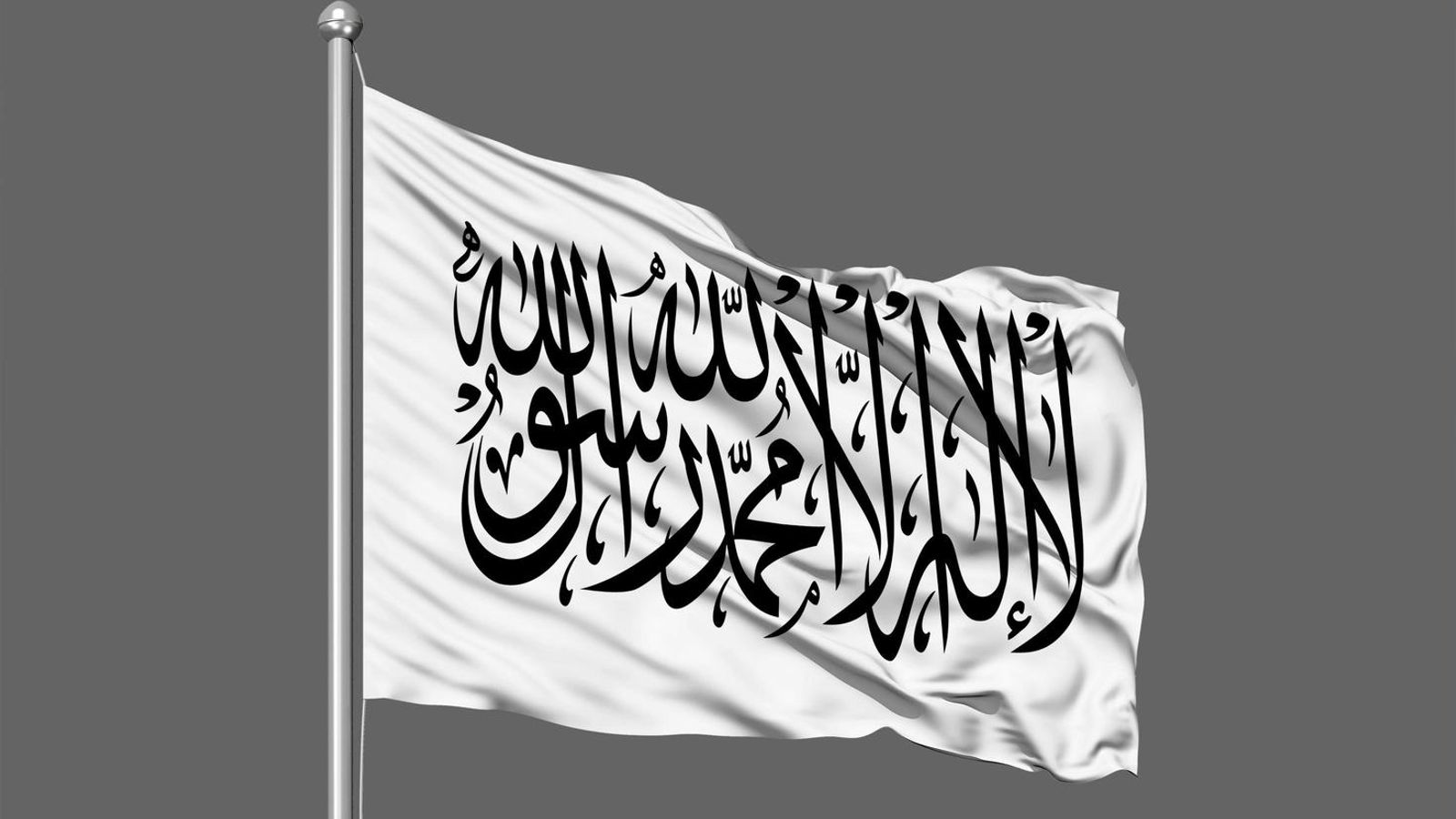
Hasht-e Subh has published an analysis of a document issued by the Taliban titled 'Penal Principles Charter for Courts,' which it describes as openly violating fundamental human rights and human values. The outlet states that the charter breaches human dignity by promoting various cruel, inhuman, and degrading punishments, including torture and public corporal penalties.
The analysis highlights the document's use of terms such as 'ghulam' (slave) and 'malik/badar' (owner/master), interpreting this as an effort to revive slavery within a pseudo-legal framework. It cites Article 15, which states: 'For any crime without a specified hudud punishment, ta'zir is applied, whether the offender is free or a ghulam.' Article 4, clause 5, is quoted as saying: 'Implementation of hudud punishments falls to the imam, but ta'zir punishments can be carried out by the husband or owner/master.'
Hasht-e Subh argues that these references presuppose the existence of slaves as a social reality and recognize ownership of humans by granting punitive authority to owners. It views this as reflective of the Taliban's societal outlook, portraying Afghanistan as a hierarchical society with masters and owned classes, akin to dark historical periods.
The outlet provides historical context, noting that slavery was officially abolished during King Amanullah Khan's reign, though remnants persisted. It contrasts the charter with international law, citing Universal Declaration of Human Rights Article 4 prohibiting slavery in all forms, and the Slavery Convention obliging states to prevent and eradicate it. The analysis classifies slavery's prohibition as a jus cogens norm in international law, binding regardless of domestic laws or traditions.
Hasht-e Subh contends that the charter systematizes discrimination based on gender, religion, and social class, undermining equality before the law and freedoms. It warns of broader consequences, including normalization of systematic human rights violations, perpetuation of violence from family to societal levels, and institutionalization of discrimination.
Read the original reporting at Hasht-e Subh →
Reliability assessment
Single source providing direct quotes from the document with concrete details (article numbers), but presented in a strongly anti-Taliban biased and sensational framing emphasizing 'organized violation' and 'revival of slavery.'
Across the newsrooms
Filed by
Hasht-e Subh
Originating
Filed under
Politics — Taliban, human rights, courts, slavery, Sharia
Reader supported
Keep Ehtebar running
Every published story uses paid tools to translate reporting, compare sources, extract claims, and produce a clearer read on Afghanistan. Reader support helps keep that work independent.
€5
helps cover daily verification runs
€15
supports a week of source comparison
€50
keeps independent analysis moving
More in Politics

Islamic Emirate Leader Orders 21 New Appointments Across Government Posts
— Reliable

Discussion Held on Presenting Achievements of Government Program in Media
— Reliable

Supreme Court of the Islamic Emirate of Afghanistan Outlines Judicial Reforms and Achievements
— Unverified

Ministry of Information and Culture of the Islamic Emirate of Afghanistan Announces Annual Activities and Achievements
— Reliable