INTERNATIONAL — May 3, 2026
International Organizations Highlight Press Freedom Challenges on World Press Freedom Day
International organizations marked World Press Freedom Day by warning of a global decline in media independence and highlighting severe restrictions, detentions, and gender-based barriers facing journalists in Afghanistan.
The Ehtebar Desk — originates with Khaama Press — corroborated by Amu TV — 2 min read
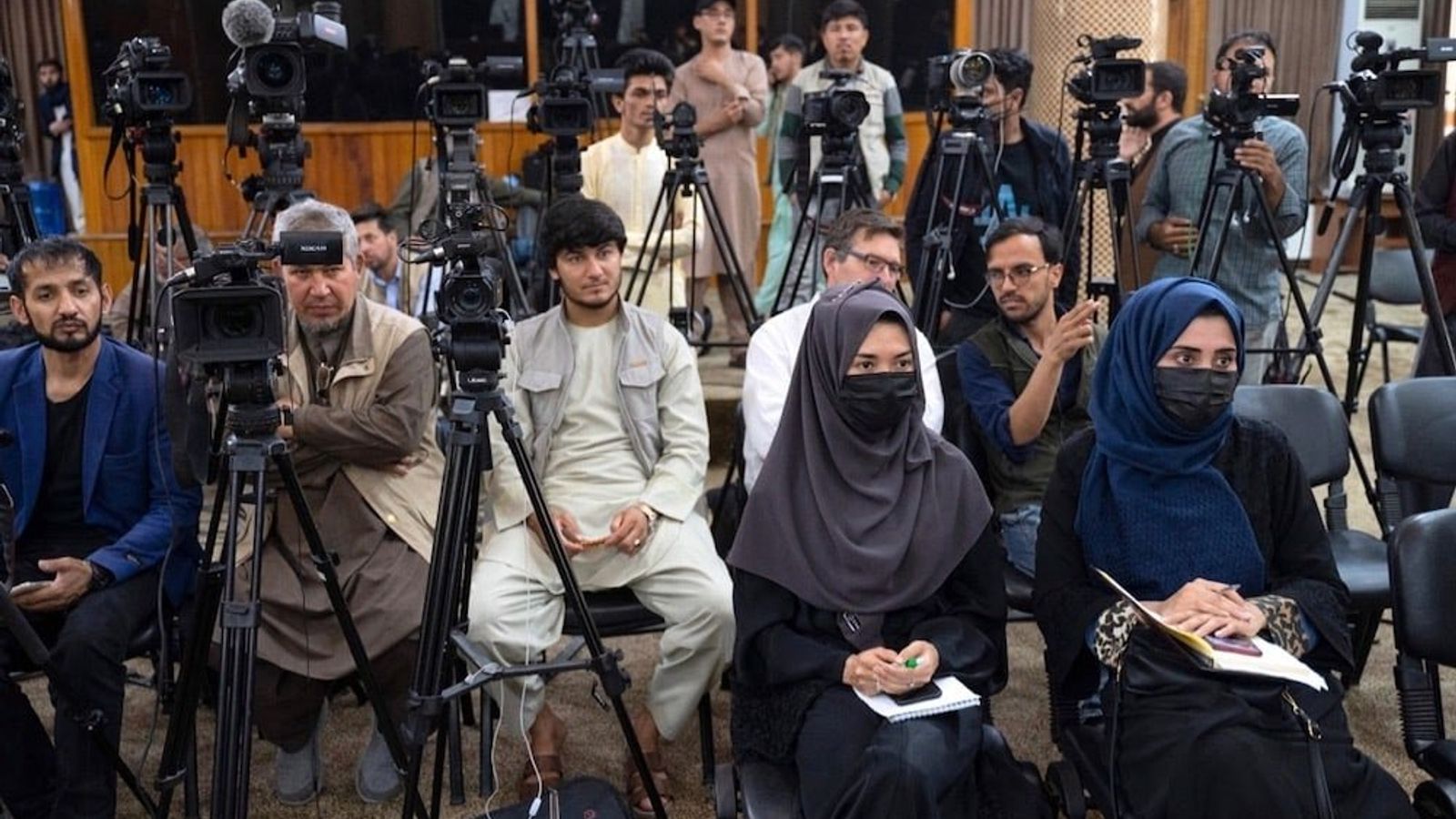
International organizations marked World Press Freedom Day on Saturday by issuing coordinated statements warning of a global decline in media independence and highlighting severe restrictions on journalists in Afghanistan.
The European Union released a statement declaring that democracy cannot function without press freedom, while condemning violence against media workers worldwide. The bloc noted that 2025 was the deadliest year on record for journalists and criticized authoritarian regimes, specifically citing Iran. UNESCO emphasized that reliable, independent journalism remains essential for building peaceful societies, maintaining social cohesion, and fostering public trust.
Reporters Without Borders reported that global media outlets face mounting pressures from censorship, political interference, and funding shortages that have forced numerous closures. In Afghanistan, UN Special Rapporteur Richard Bennett warned that journalists continue to operate under severe conditions, with female media workers facing disproportionate restrictions and threats.
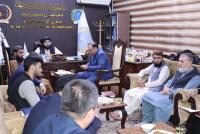
Since the Taliban returned to power, widespread media restrictions have led to multiple arrests. Four journalists—Bashir Hatef, Shakib Nazari, Hamid Farhadi, and Abuzar Sarem—remain in detention. The Afghanistan Journalists Center recorded at least one hundred fifty violations of press freedom in the country over the past year. Advocacy groups and UN officials have repeatedly noted that female journalists face significant barriers to their professional work, including gender-based violence and institutional restrictions.
International bodies and press freedom advocates used the annual observance to call for the protection of media workers, the release of detained journalists, and the restoration of independent reporting environments globally and within Afghanistan.
Read the original reporting at Khaama Press →
Reliability assessment
Two independent outlets corroborate the core event: multiple international organizations (EU, UNESCO, UN, RSF) issued public statements for World Press Freedom Day addressing global and Afghan press freedom challenges. All claims are backed by direct, on-record attributions to named public institutions and officials. The differing details are complementary rather than contradictory, covering different facets of the same annual observance.
The source language reads straight.
Independent web corroboration
A separate web search returned 8 matching reports. A selection:
Democracy cannot exist without a free press and independent media is a cornerstone of any democratic society, European Union foreign policy chief Kaja Kallas said on May 2 in a statement on behafl of the EU marking World Press Freedom Day
- World Press Freedom Day 2026: Statement by the High Representative on behalf of the European Union | EEASeeas.europa.eu
Democracy cannot exist without a free press. Independent media is a cornerstone of any democratic society. Access to media, along with freedom of expression are not ‘nice to haves’, they are fundamental human rights.
- Commission reaffirms its unwavering support for media freedom ahead of World Press Freedom Day | Shaping Europe’s digital futuredigital-strategy.ec.europa.eu
Free press is the backbone of democracy and journalists must be able to do their work without fear or interference. ... The European Commission reaffirms its steadfast commitment to uphold media freedom and pluralism.
Across the newsrooms
Where reports agree
- International organizations (EU, UNESCO, UN agencies, RSF) issued coordinated statements for World Press Freedom Day highlighting the critical role of independent media and the global decline in press freedom.
- Journalists in Afghanistan face severe restrictions, threats, and censorship under Taliban rule.
- Female journalists face disproportionate targeting, restrictions, and barriers to their professional work.
Where reports differ
- No factual disagreements exist between the sources. They report on complementary statements from different international bodies and provide non-conflicting details (e.g., EU focusing on Iran and global casualty figures vs. UNESCO/RSF focusing on funding and misinformation; Amu TV naming specific detained Afghan journalists vs. Khaama Press citing UN officials and UNICEF warnings).
Filed by 2 outlets
Khaama Press
Originating
Reported straight
Reported straight
Amu TV
Reported straight
Reported straight
Filed under
International — World Press Freedom Day, European Union, UNESCO, Taliban, Press Freedom
Reader supported
Keep Ehtebar running
Every published story uses paid tools to translate reporting, compare sources, extract claims, and produce a clearer read on Afghanistan. Reader support helps keep that work independent.
€5
helps cover daily verification runs
€15
supports a week of source comparison
€50
keeps independent analysis moving