INTERNATIONAL — March 6, 2026
Iran Thanks Saudi Arabia for Not Allowing Use of Its Territory Amid Regional Tensions
Iran's ambassador to Saudi Arabia thanked Riyadh for pledging not to allow its territory to be used against Iran amid escalating Middle East tensions and denied Tehran's involvement in attacks on Saudi soil or the US embassy in Riyadh.
The Ehtebar Desk — originates with Amu TV — corroborated by Khaama Press — 2 min read
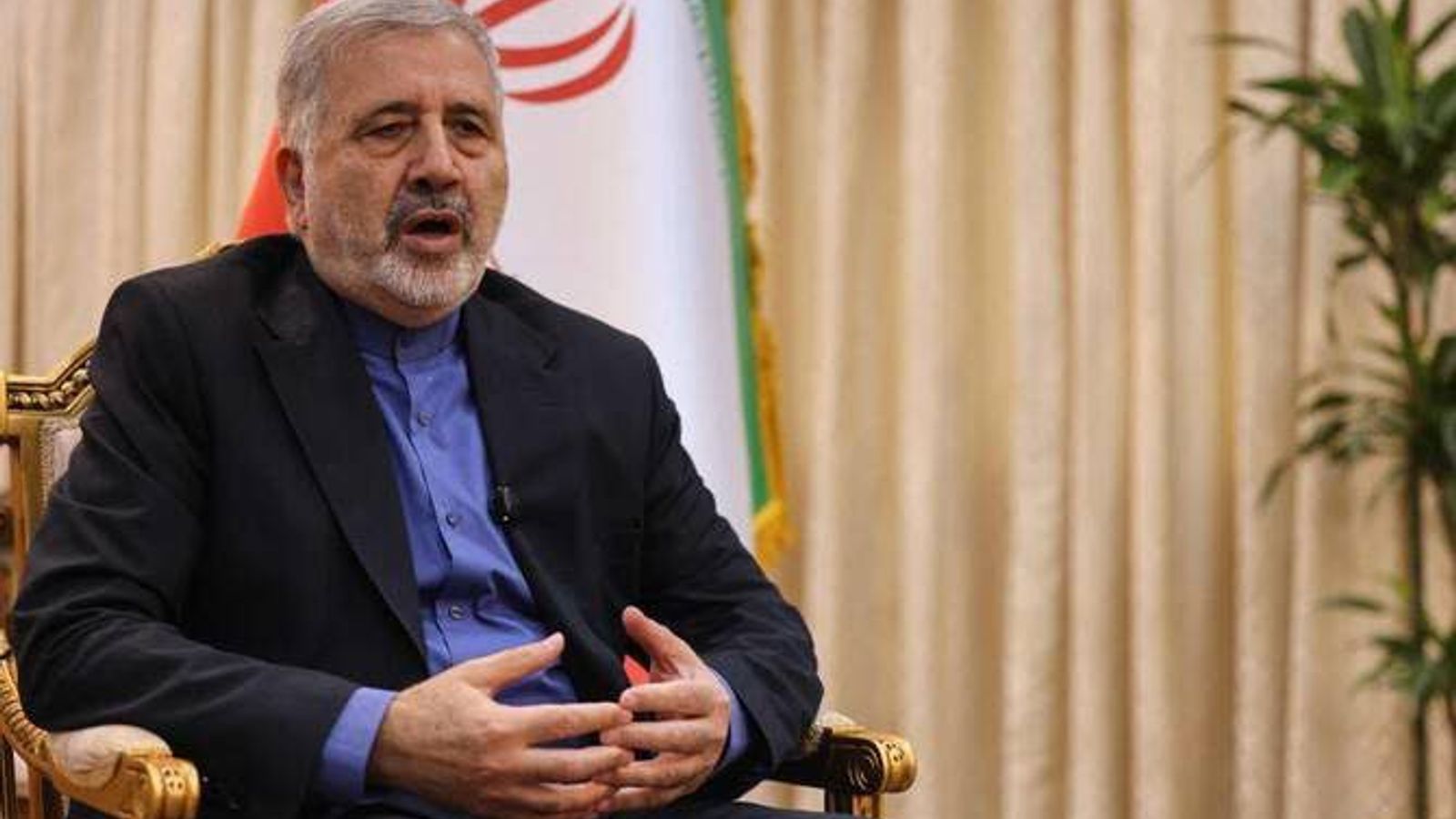
Iran's ambassador to Saudi Arabia, Ali Reza Enayati, expressed Tehran's appreciation for Riyadh's commitment not to permit the use of its airspace, waters or territory against the Islamic Republic during recent conflicts.
In an interview with Agence France-Presse on Thursday at the Iranian embassy in Riyadh, Enayati stated: "We appreciate what we have heard repeatedly from Saudi Arabia; that it will not allow its airspace, waters or territory to be used against the Islamic Republic of Iran."
Prior to the onset of the war, Saudi Arabia had supported diplomatic efforts to de-escalate tensions between Tehran and Washington, emphasizing it would not allow its airspace to be used for attacks on Iran.
Enayati also denied allegations of an Iranian drone attack on the US embassy compound in Riyadh, following claims by Saudi officials that Iran had targeted the site. He said: "We have confirmed that Iran has no role in the attack on the US embassy in Riyadh. If the operation command in Tehran attacks somewhere, it takes responsibility."
Saudi Arabia has previously accused Iran of launching missiles and conducting drone strikes on its territory, including against the Ras Tanura refinery, and warned that it reserves the right to self-defense. Iran has rejected these accusations.
The statements come amid escalating tensions in the Middle East, including mutual attacks between Iran, the United States and Israel. Reports indicate at least 13 people have been killed in the Gulf region since the recent attacks began, including seven civilians.
Enayati stressed that Tehran is not initiating a regional war, saying: "This is not a regional war and it's not our war. This war has been imposed on the region."
Read the original reporting at Amu TV →
Reliability assessment
Direct, on-record quotes from named Iranian ambassador Ali Reza Enayati in an AFP interview at the Iranian embassy in Riyadh, with concrete details including specific locations and prior context.
The source language reads straight.
Across the newsrooms
Filed by 2 outlets
Amu TV
Originating
Khaama Press
Filed under
International — Iran, Saudi Arabia, United States, Middle East tensions, Diplomatic statements
Reader supported
Keep Ehtebar running
Every published story uses paid tools to translate reporting, compare sources, extract claims, and produce a clearer read on Afghanistan. Reader support helps keep that work independent.
€5
helps cover daily verification runs
€15
supports a week of source comparison
€50
keeps independent analysis moving