INTERNATIONAL — April 25, 2026
Islamic Emirate of Afghanistan Urges Stranded Citizens in Qatar to Return Home
Afghan authorities have urged approximately 1,100 citizens stranded in Qatar to return home, claiming the country is secure amid reported U.S. plans to relocate the group to the Democratic Republic of the Congo. The proposal faces opposition from U.S. lawmakers and refugee advocates, while the stranded individuals reject both relocation and return due to security concerns.
The Ehtebar Desk — originates with ToloNews — corroborated by Pajhwok, Hasht-e Subh, Khaama Press and 5 more — 2 min read
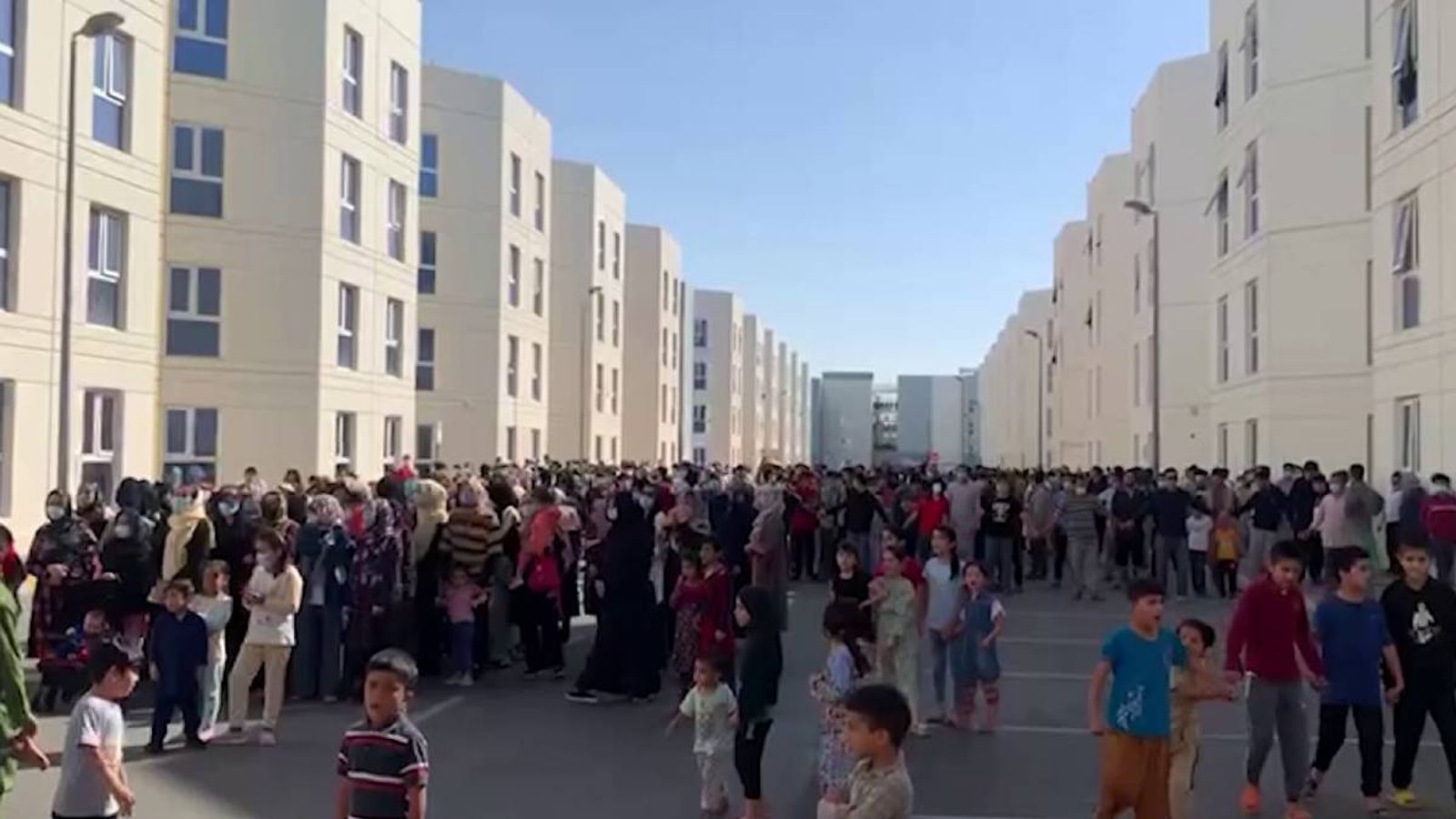
The Ministry of Foreign Affairs for the Islamic Emirate of Afghanistan has called on Afghan nationals currently residing in a transit camp in Qatar to return home, asserting that the country is secure and welcoming. The statement, delivered by ministry spokesperson Abdul Qahar Balkhi, emphasized that Afghanistan remains a shared homeland for all citizens and that no security threats currently exist within its borders.
The ministry’s appeal follows reports that the Trump administration is evaluating options for approximately 1,100 Afghans who have been stranded in Qatar while awaiting United States visas. One proposed alternative involves relocating the group to the Democratic Republic of the Congo. Balkhi stated that the government is prepared to facilitate legal travel and cooperate on consular matters to ensure citizens’ rights are safeguarded.
The proposed relocation to Central Africa has drawn sharp criticism from United States lawmakers and refugee advocacy organizations, who have characterized the plan as unsafe and contrary to previous commitments to Afghan allies. Meanwhile, individuals in the Qatar camp have expressed reluctance to accept either option, citing fears of potential reprisals if they return to Afghanistan and concerns over ongoing armed conflict in the Congo. While the Islamic Emirate maintains that the security situation has stabilized, United Nations assessments and independent monitoring groups continue to report that former government employees and military personnel face significant risks of detention and violence upon return.
Read the original reporting at ToloNews →
Reliability assessment
9 independent sources corroborate the core event: the Taliban Foreign Ministry's official statement urging the return of Afghans from Qatar, alongside widely reported US discussions regarding potential relocation to the DRC. The statement is directly attributable to a named official (Abdul Qahar Balkhi), making it a concrete, verifiable fact. Discrepancies regarding actual security conditions in Afghanistan and conflicting US messaging do not undermine the reliability of the reported diplomatic developments and official statements, as the verifiable fact is what was said and reported by multiple outlets.
The source language reads straight.
Across the newsrooms
Where reports agree
- The Taliban Foreign Ministry issued a public statement on April 25, 2026, urging Afghans in Qatar to return to Afghanistan.
- The statement explicitly claims there are no security threats in Afghanistan and that no one is forced to leave for security reasons.
- Multiple outlets report US discussions regarding the potential relocation of ~1,100 Afghans from Camp As-Sayliyah in Qatar to the Democratic Republic of Congo.
- US lawmakers and refugee advocates have publicly condemned the proposed Congo relocation plan.
- The stranded Afghans face severe psychological distress and prolonged uncertainty due to the limbo in Qatar.
Where reports differ
- Security conditions in Afghanistan: The Taliban claims the country is completely safe, while UN reports, advocacy groups, and the refugees themselves document active reprisals, arrests, and killings targeting former US allies and government employees.
- US administration messaging: Multiple outlets report active negotiations for a Congo relocation, while ToloNews notes President Trump previously claimed he had no knowledge of such a plan, indicating conflicting or evolving signals from Washington.
Filed by 9 outlets
ToloNews
Originating
Reported straight
Reported straight
Pajhwok
Reported straight
Reported straight
Hasht-e Subh
Reported straight
Reported straight
Khaama Press
Reported straight
Reported straight
Bakhtar News
Reported straight
Reported straight
RTA
Reported straight
Reported straight
Amu TV
Reported straight
Reported straight
AP News
Reported straight
Reported straight
Hurriyat
Reported straight
Reported straight
Filed under
International — Taliban, Abdul Qahar Balkhi, Qatar, Democratic Republic of Congo, US Refugee Policy
Reader supported
Keep Ehtebar running
Every published story uses paid tools to translate reporting, compare sources, extract claims, and produce a clearer read on Afghanistan. Reader support helps keep that work independent.
€5
helps cover daily verification runs
€15
supports a week of source comparison
€50
keeps independent analysis moving