INTERNATIONAL — March 11, 2026
Israeli Airstrikes Intensify on Southern Lebanon, Displacing Nearly 700,000
Israeli airstrikes on southern Lebanon have killed nearly 500 and displaced around 700,000 people, with many Beirut families living on the streets. Residents and officials describe ongoing hardship despite evacuation orders.
The Ehtebar Desk — originates with ToloNews — 2 min read
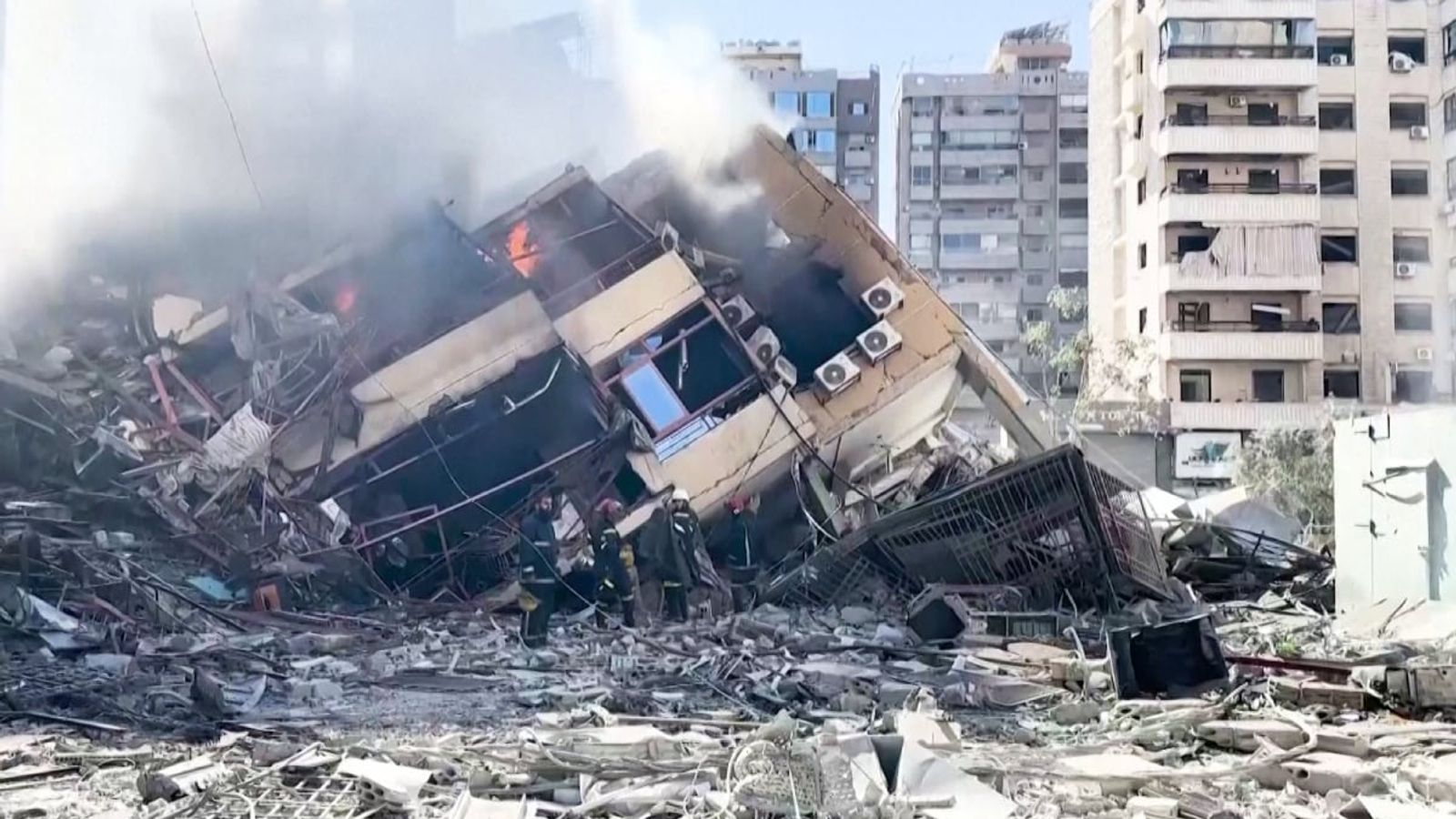
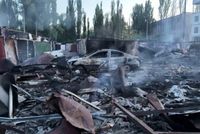
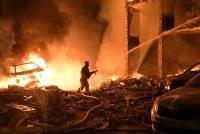
Intensifying Israeli airstrikes on southern Lebanon have forced numerous families in Beirut to seek refuge on the streets. Displaced residents from Beirut's southern suburbs say they fled since March 1 amid escalating clashes between Israel and Hezbollah.
Reem Hussein, a displaced Lebanese woman, said: "Today, I live outside my home with a broken heart and very anxious. I'm upset because I am responsible for these children. Before, even with a lot of responsibilities, I went to work, but my mind was always with my children. Now how can I go out."
Lebanese officials stated that Israel's attacks have killed nearly 500 people so far, with about 100 added daily. They added that the past week's intensified fighting has displaced nearly 700,000 people.
Elwan Sharafuddin, deputy mayor of Tyre, said: "In addition to residents who remained in the city, nearly 600 displaced people from southern villages are in shelters, and others are living in parks and streets."
Despite Israeli army orders to evacuate areas south of the Litani River and Beirut's southern suburbs, many locals have refused to leave. Ali Fadel, a Tyre resident, said: "This is an aggressive enemy. Everyone must resist according to their ability. Staying in one's home and city is also a form of resistance."
The clashes began after Hezbollah, supporting Iran amid the war between the United States and Israel, launched rockets and drones at Israel last week. Israel responded by bombing large areas of Lebanon.
Read the original reporting at ToloNews →
Reliability assessment
Single source with direct, on-record quotes from named individuals (Reem Hussein, Elwan Sharafuddin deputy mayor of Tyre, Ali Fadel) and Lebanese officials, providing concrete details including casualty figures (nearly 500 killed, 100 daily), displacement numbers (700,000), and specific locations (southern Lebanon, Beirut suburbs, Tyre).
The source language mixes facts with framing or advocacy wording. 'Relentless attacks' (حملههای بیامان) in narrator's description of Israeli strikes adds emotional loading; integrates strong quotes like 'aggressive enemy' (دشمنی پرخاشگر) without neutralizing context.
Across the newsrooms
Filed by
ToloNews
Originating
Filed under
International — Lebanon, Israel, Hezbollah, Beirut, Tyre
Reader supported
Keep Ehtebar running
Every published story uses paid tools to translate reporting, compare sources, extract claims, and produce a clearer read on Afghanistan. Reader support helps keep that work independent.
€5
helps cover daily verification runs
€15
supports a week of source comparison
€50
keeps independent analysis moving