
POLITICS — February 20, 2026
Joint Workshop Examines Islamic Emirate of Afghanistan's Foreign Policy Prospects
A workshop by the EnSamar Institute and the Islamic Emirate's Strategic Studies Center discussed balanced foreign policy, emphasizing dialogue, mutual respect, and engagement with regional and global powers.
The Ehtebar Desk — originates with ToloNews — 2 min read
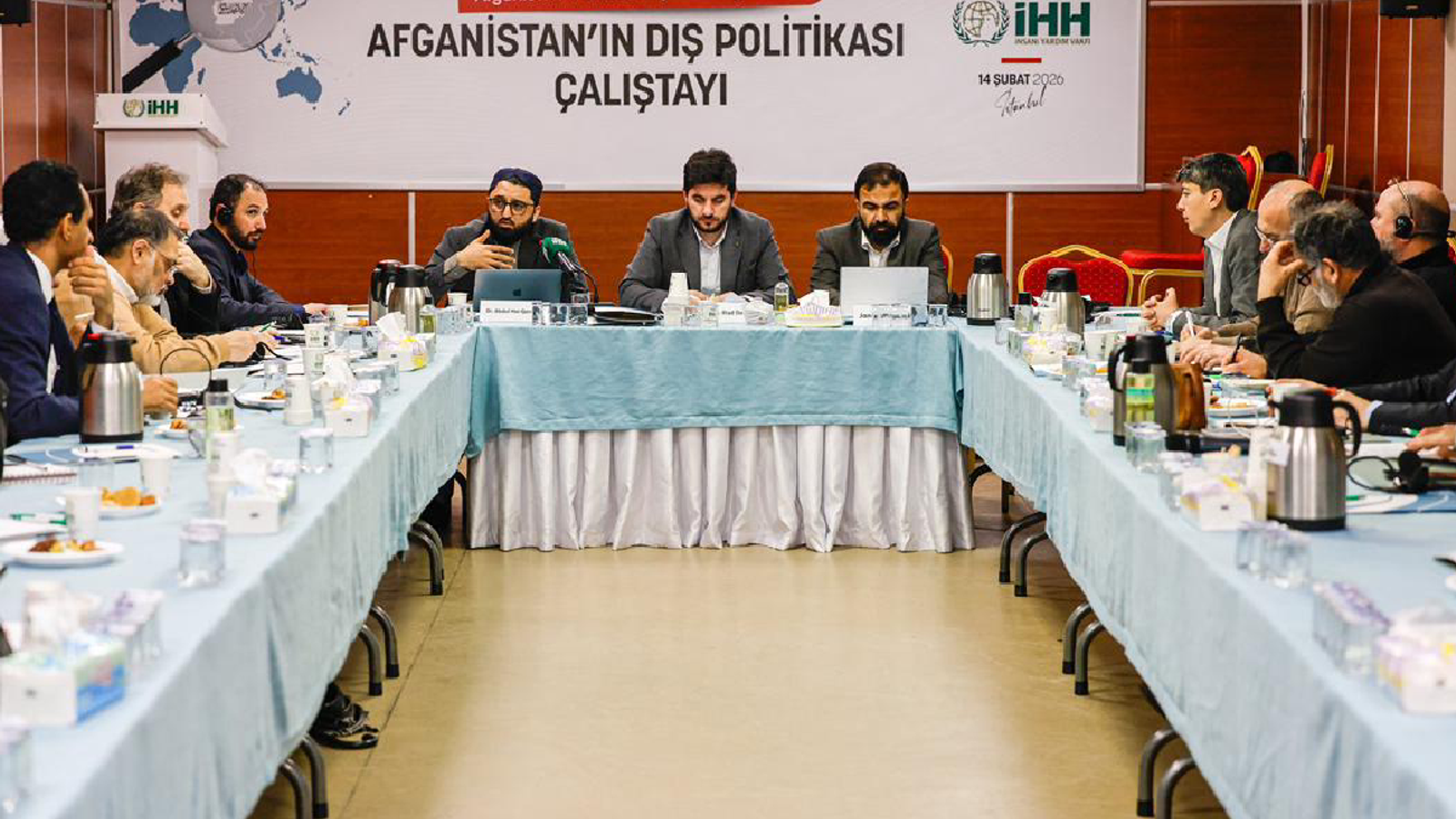
A joint workshop organized by the EnSamar Institute and the Strategic Studies Center of the Ministry of Foreign Affairs of the Islamic Emirate of Afghanistan focused on the prospects of the country's foreign policy within regional and international frameworks. Participants emphasized dialogue and interaction based on mutual respect as key tools for advancing diplomatic objectives.
Abdul Hai Qant, head of the Strategic Studies Center and third political deputy of the Ministry of Foreign Affairs, along with a former Afghan ambassador, described dialogue as the primary instrument of diplomacy. They stressed that constructive engagement with regional and global actors is essential for safeguarding national interests.
Political expert Dawood Shiraz stated: "The policy of the Islamic Emirate towards regional and world countries should be balanced. Afghanistan should not side with any particular power; whether China, Russia, America or any other country. We should have good relations with all and establish mutual ties with the world."
Analysts noted that balancing domestic realities with global necessities will determine the success or failure of Afghanistan's foreign policy. They highlighted the importance of active regional engagement, leveraging economic and transit capacities, and managing political relations astutely.
Political expert Adris Mohammadi Zazi said: "The foreign policy of the Islamic Emirate's Ministry of Foreign Affairs should share its goals and objectives with other countries. Domestic policies also directly and indirectly affect foreign policy, so focus on both sectors is necessary."
Zakiullah Mohammadi added: "The Islamic Emirate should choose a foreign policy that takes into account national interests and Islamic values, enabling it to achieve both national and international goals."
The Islamic Emirate has consistently maintained that Afghanistan's foreign policy is grounded in national interests and mutual respect.
Read the original reporting at ToloNews →
Reliability assessment
Single source provides direct, on-record quotes from named officials (Abdul Hai Qant) and experts (Dawood Shiraz, Adris Mohammadi Zazi, Zakiullah Mohammadi) at a specific workshop event with concrete details.
The source language reads straight.
Across the newsrooms
Filed by
ToloNews
Originating
Filed under
Politics — Islamic Emirate of Afghanistan, foreign policy, diplomacy, Ministry of Foreign Affairs, Strategic Studies Center
Reader supported
Keep Ehtebar running
Every published story uses paid tools to translate reporting, compare sources, extract claims, and produce a clearer read on Afghanistan. Reader support helps keep that work independent.
€5
helps cover daily verification runs
€15
supports a week of source comparison
€50
keeps independent analysis moving
More in Politics
Islamic Emirate Leader Orders 21 New Appointments Across Government Posts
— Reliable
Discussion Held on Presenting Achievements of Government Program in Media
— Reliable
Supreme Court of the Islamic Emirate of Afghanistan Outlines Judicial Reforms and Achievements
— Unverified
Ministry of Information and Culture of the Islamic Emirate of Afghanistan Announces Annual Activities and Achievements
— Reliable