
SOCIETY — February 14, 2026
Nai in Exile: Domestic Radios in Afghanistan Have Become Taliban Propaganda Tools
Nai in Exile criticized domestic Afghan radios for becoming Taliban propaganda outlets since their return to power, contrasting this with the medium's growth during the republic era.
The Ehtebar Desk — originates with Amu TV — corroborated by Hasht-e Subh — 2 min read
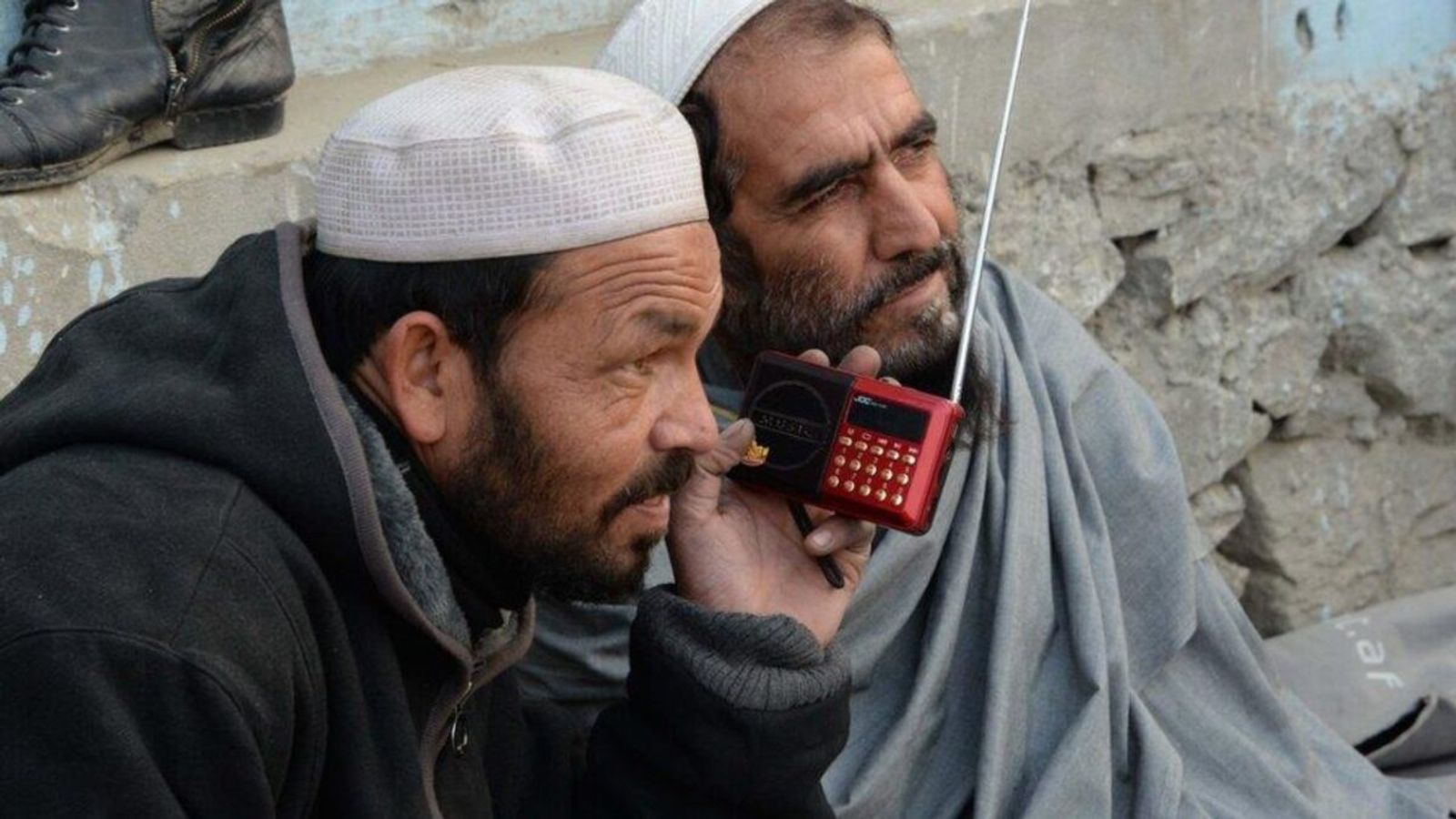
Nai in Exile, an organization supporting free media in Afghanistan, stated on World Radio Day, observed on February 13, that domestic radio stations have turned into the "largest loudspeakers" for the Taliban since their return to power.
The group said in a statement that broadcasts from these stations under Taliban rule are neither aligned with today's global realities nor with an inclusive interpretation of religion that promotes coexistence, as the Taliban claim. It noted that relay and booster equipment for regional and international radios broadcasting to Afghanistan were disabled after the Taliban's takeover.
Nai in Exile highlighted that media and freedom of expression suffered their worst historical damage following the Taliban's return and the Doha agreement. Music broadcasts were banned, women's presence in radios was restricted or prohibited in many provinces, and a significant portion of stations became tools for promoting Taliban views.
The organization attributed the golden era of radio in Afghanistan to the two decades of the republic, particularly from 1380 to 1390 solar years (roughly 2001-2011), when radio experienced its greatest quantitative and qualitative growth. During this period, radio reached the most remote villages, producing programs in Dari, Pashto, and nearly all local languages and dialects, offering news, information, music, and entertainment.
It said the number of stations grew from one national radio under the first Taliban regime to over 350 national and local stations, significantly expanding diversity and coverage.
Afghanistan, with over 120 years since the establishment of its first radio, continues to hold a special place among audiences, providing the widest media coverage in the country, according to the statement.
Read the original reporting at Amu TV →
Reliability assessment
Two independent sources (Amu TV and Hasht-e Subh) corroborate the key facts from Nai in Exile's direct statement, including specific historical details (350+ stations, 1380-1390 growth period), restrictions (music ban, women limited), and context (World Radio Day). Concrete and attributable, not a contested ground event.
Across the newsrooms
Filed by 2 outlets
Amu TV
Originating
Hasht-e Subh
Filed under
Society — Nai in Exile, Taliban, radio stations, media freedom, World Radio Day
Reader supported
Keep Ehtebar running
Every published story uses paid tools to translate reporting, compare sources, extract claims, and produce a clearer read on Afghanistan. Reader support helps keep that work independent.
€5
helps cover daily verification runs
€15
supports a week of source comparison
€50
keeps independent analysis moving
More in Society

Health Officials and Experts Discuss Rise in Black Jaundice Cases in Afghanistan
— Reliable

Discussion on Agricultural Products and Health Services in Samangan Province
— Reliable

WHO Report Cites Taliban Restrictions and Funding Shortfalls as Threats to Health Services in Afghanistan
— Reliable
Afghan officials report returns of families from Pakistan and Iran alongside releases from Pakistani prisons
— Reliable