
SECURITY — March 18, 2026
OCHA Reports Intensified Humanitarian Crisis in Afghanistan Amid Taliban-Pakistan Clashes
OCHA reports a worsening humanitarian crisis in Afghanistan due to third-week clashes between the Taliban and Pakistan, with 289 civilian casualties, displacement of at least 40,000 people and disruptions to aid and markets. Attacks have expanded to urban areas, damaging infrastructure and driving up food prices.
The Ehtebar Desk — originates with Amu TV — 2 min read
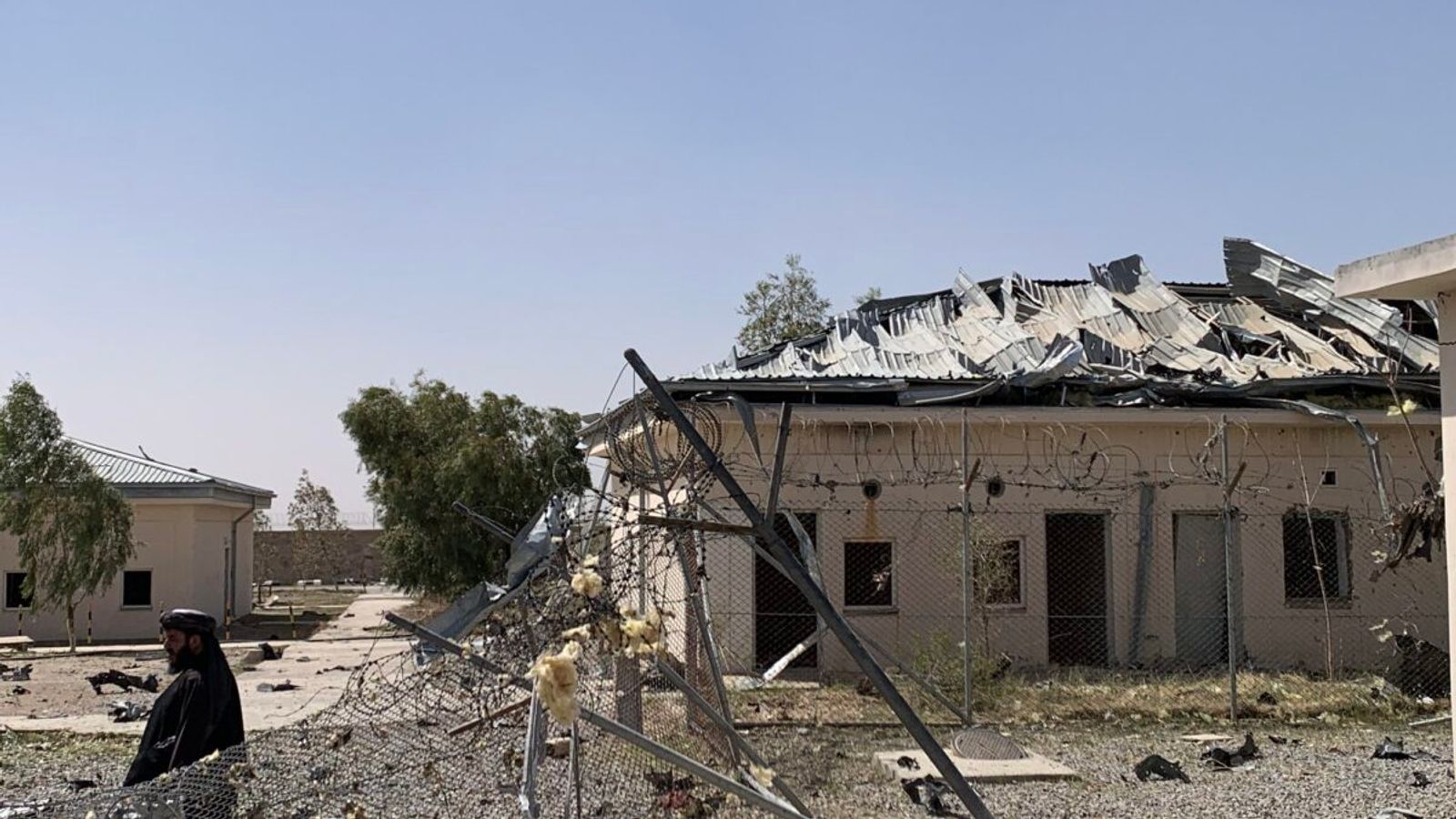
The United Nations Office for the Coordination of Humanitarian Affairs (OCHA) reports that clashes between the Taliban and Pakistan, now in their third week, have sharply intensified Afghanistan's humanitarian crisis.
From Feb. 26 to March 17, OCHA recorded 289 civilian casualties in Afghanistan, with 76 killed and 213 injured. More than half the victims were women and children, including 59 women and 104 children. The clashes have expanded in scope and intensity, with Pakistan conducting airstrikes, artillery, mortar and drone attacks in at least 10 Afghan provinces. The Taliban have responded with ground attacks on border points and drone strikes inside Pakistan, including against military positions in Kohat and Rawalpindi.
Specific incidents include Pakistani airstrikes in Kabul on March 14 that killed four civilians and injured 14 others, following reports of Taliban attacks on Pakistani facilities. On March 16, further airstrikes hit several sites, including the Shifakhana Omid addiction treatment center in Kabul, where casualties are still being assessed. The Taliban claim 408 people were killed and more than 260 injured at the center.
Displacement continues, with assessments in 75 villages confirming at least 40,000 people, or more than 5,600 families, displaced by March 17, down from initial reports of 115,000. Over 318 shelters have been destroyed or damaged. Urgent needs include shelter, drinking water, health services and food. In Kunar province, authorities have ordered displaced people from seven sites to return to Chawki and Nargal districts, with two sites fully evacuated.
Civilian infrastructure has suffered damage, including a telecommunications tower in Paktia province, a Kamair fuel depot in Kandahar and a fire at Torkham border crossing on March 8 that destroyed about 150 shops. Closures of Torkham and Spin Boldak crossings have halted humanitarian activities and disrupted supply chains. Food prices for items like rice and cooking oil have risen 20-40% since December 2025, with aid shipments stuck in Pakistani ports. Escalation in Iran has further complicated alternative routes.
Read the original reporting at Amu TV →
Reliability assessment
Single source (Amu TV) directly attributes claims to OCHA's published report with concrete, checkable details including dates, locations (Kabul, Paktia, etc.), casualty figures, and displacements. OCHA's on-record statement confirms core events of clashes and humanitarian impacts.
The source language reads straight.
Across the newsrooms
Filed by
Amu TV
Originating
Reported straight
Reported straight
Filed under
Security — OCHA, Taliban, Pakistan, border clashes, displacement, Torkham
Reader supported
Keep Ehtebar running
Every published story uses paid tools to translate reporting, compare sources, extract claims, and produce a clearer read on Afghanistan. Reader support helps keep that work independent.
€5
helps cover daily verification runs
€15
supports a week of source comparison
€50
keeps independent analysis moving
More in Security
Security Forces Arrest Three Theft Gangs in Herat, Recover 24 Vehicles
— Reliable
Taliban Arrest Seven Civilians in Yaftal District of Badakhshan
— Developing
More Than 30 Killed in Pakistan-Administered Kashmir Election Protests
— Reliable

ISKP Claims Killing of Taliban Information Director in Badakhshan
— Reliable