
SOCIETY — February 19, 2026
Our Daily Nightmares: Personal Essay on Everyday Life in Afghanistan
Hasht-e Subh published a personal essay depicting a woman's daily routine marked by enforced hijab rules, refusal of transport, whipping by enforcers, and observed robbery, highlighting perceived societal contradictions.
The Ehtebar Desk — originates with Hasht-e Subh — 2 min read
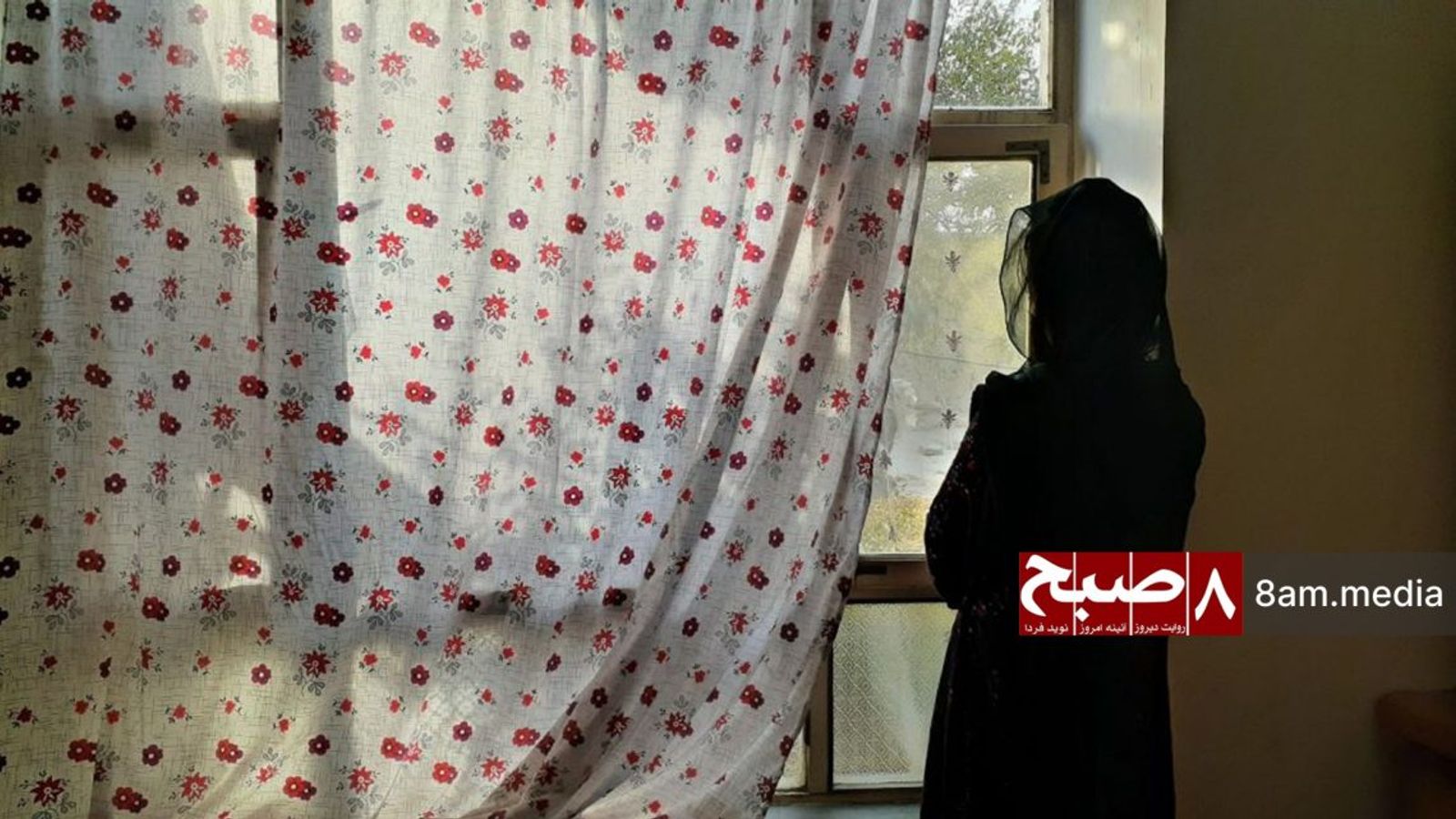
Hasht-e Subh published a first-person essay titled "Our Daily Nightmares," recounting the author's experience of waking to a heavy silence at 10 a.m. Despite needing to attend a job interview, the author dresses in all-black clothing described as an Islamic hijab, feeling like mourning attire. Stepping outside, the streets appear barren: trees are withered despite the season, irrigation ditches are dry, and gardens lack flowers, evoking a sense of lifelessness and colorlessness.
Attempting to take a taxi, the author is refused service for not wearing a prayer shawl (chador namaz). Walking instead, the author encounters an elderly carpenter weeping over his broken winter chairs, which he calls "haram." The narrative reflects on concepts of mahram relationships within families, questioning prohibitions on siblings or spouses sharing seats.
The account escalates as a man in white clothing, with a harsh face, approaches shouting insults and wielding a whip. He strikes the author repeatedly, accusing her of corrupting the city due to improper hijab, causing intense pain and disorientation. While fallen, the author witnesses a robber drawing a gun on a young man, shooting him to empty his pockets, then fleeing in a vehicle.
The essay contrasts the enforcement of dress codes with unchecked crime, sarcastically noting societal priorities: women's attire threatens faith and order, while theft and murder are downplayed amid widespread unemployment.
Read the original reporting at Hasht-e Subh →
Reliability assessment
Single-source personal opinion essay using metaphorical, anecdotal, and sensational narrative; lacks concrete checkable details, named attributions, or verifiable events.
Across the newsrooms
Filed by
Hasht-e Subh
Originating
Filed under
Society — women's rights, dress code enforcement, daily life, morality police, Afghanistan society
Reader supported
Keep Ehtebar running
Every published story uses paid tools to translate reporting, compare sources, extract claims, and produce a clearer read on Afghanistan. Reader support helps keep that work independent.
€5
helps cover daily verification runs
€15
supports a week of source comparison
€50
keeps independent analysis moving
More in Society
Health Officials and Experts Discuss Rise in Black Jaundice Cases in Afghanistan
— Reliable
Discussion on Agricultural Products and Health Services in Samangan Province
— Reliable
WHO Report Cites Taliban Restrictions and Funding Shortfalls as Threats to Health Services in Afghanistan
— Reliable
Afghan officials report returns of families from Pakistan and Iran alongside releases from Pakistani prisons
— Reliable