INTERNATIONAL — February 25, 2026
Over 100 Rights Groups Express Concern Over Taliban Courts' Criminal Principles at UN Human Rights Council Session
Over 100 human rights organizations issued a joint statement to the UN Human Rights Council expressing alarm over the Taliban's new Criminal Principles for courts, calling for international pressure against their implementation. The groups criticized the document for lacking legitimacy and enabling suppression amid ongoing rights abuses.
The Ehtebar Desk — originates with Afghanistan International — corroborated by Hasht-e Subh and Amu TV — 2 min read
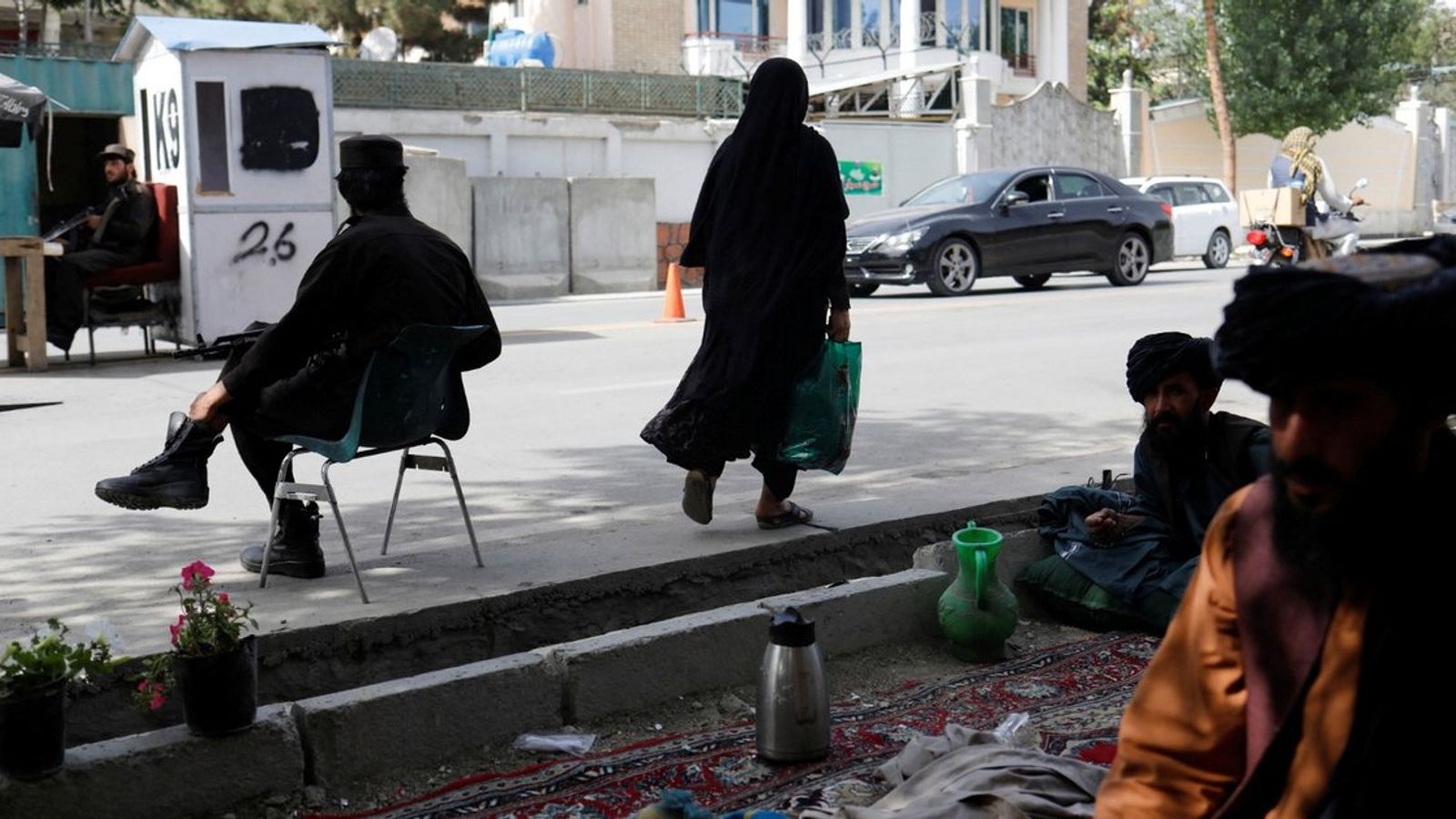
More than 100 domestic and international human rights organizations have issued a joint statement expressing concern over the implementation of the "Taliban Courts' Criminal Principles," to be presented at the 61st session of the UN Human Rights Council.
The statement, signed by 86 domestic organizations and 13 international ones, warns that the principles will further exacerbate the human rights crisis in Afghanistan. The organizations stated that the document was approved without public consultation or legal process, lacking legal and moral legitimacy.
They highlighted that since returning to power in 2021, the Taliban have widely undermined human rights frameworks by abolishing previous laws and structures. Women and girls have been systematically excluded from public life, facing severe restrictions on education, employment, and civil liberties. Human rights activists, journalists, artists, and ethnic and religious minorities face threats, arbitrary arrests, and torture.
The groups said the principles transform Taliban courts into tools for suppression and enforcing ideological views, eliminating judicial independence.
The organizations urged the international community to withhold legitimacy from the law and increase diplomatic and legal pressure to protect Afghans' fundamental rights. They warned that continued repression could worsen social, cultural, and economic conditions and severely undermine public security and trust in judicial institutions.
They emphasized that any engagement with the Taliban must be conditioned on accountability, human rights compliance, and victim support, to avoid perpetuating impunity and weakening international law.
Specific calls to the UN Human Rights Council, member and observer states, and other UN mechanisms include publicly condemning the Taliban's discriminatory laws and policies, refraining from normalizing diplomatic relations, and supporting the UN Special Rapporteur on Afghanistan.
Taliban leader Hibatullah Akhundzada recently endorsed the principles, which comprise 10 chapters and 119 articles, and sent them to judicial bodies in provinces for implementation. The document grants broad powers to courts and includes severe punishments. One provision states: "Every Muslim, upon witnessing the commission of a sin, can act to prevent it," which critics say could enable vigilantism and abuse.
UN Special Rapporteur Richard Bennett presented his report on the situation of women and girls and human rights in Afghanistan at the 61st UNHRC session in Geneva on Thursday.
Read the original reporting at Afghanistan International →
Reliability assessment
Key facts about the joint statement from over 100 rights groups at the UN Human Rights Council corroborated by three independent Afghan outlets (Afghanistan International, Hasht-e Subh, Amu TV).
The source language reads straight.
Across the newsrooms
Filed by 3 outlets
Afghanistan International
Originating
Hasht-e Subh
Amu TV
Filed under
International — Taliban, UN Human Rights Council, human rights, Hibatullah Akhundzada, Richard Bennett
Reader supported
Keep Ehtebar running
Every published story uses paid tools to translate reporting, compare sources, extract claims, and produce a clearer read on Afghanistan. Reader support helps keep that work independent.
€5
helps cover daily verification runs
€15
supports a week of source comparison
€50
keeps independent analysis moving