INTERNATIONAL — May 7, 2026
Pakistani Strategist Warns of Potential Structural Fragmentation in Afghanistan
Pakistani defense strategist Maria Sultan warns that Afghanistan’s lack of centralized leadership and strong regional border dependencies could lead to future structural fragmentation. Her analysis reflects broader regional security assessments regarding the country’s governance and geopolitical positioning.
The Ehtebar Desk — originates with Afghanistan International — 2 min read
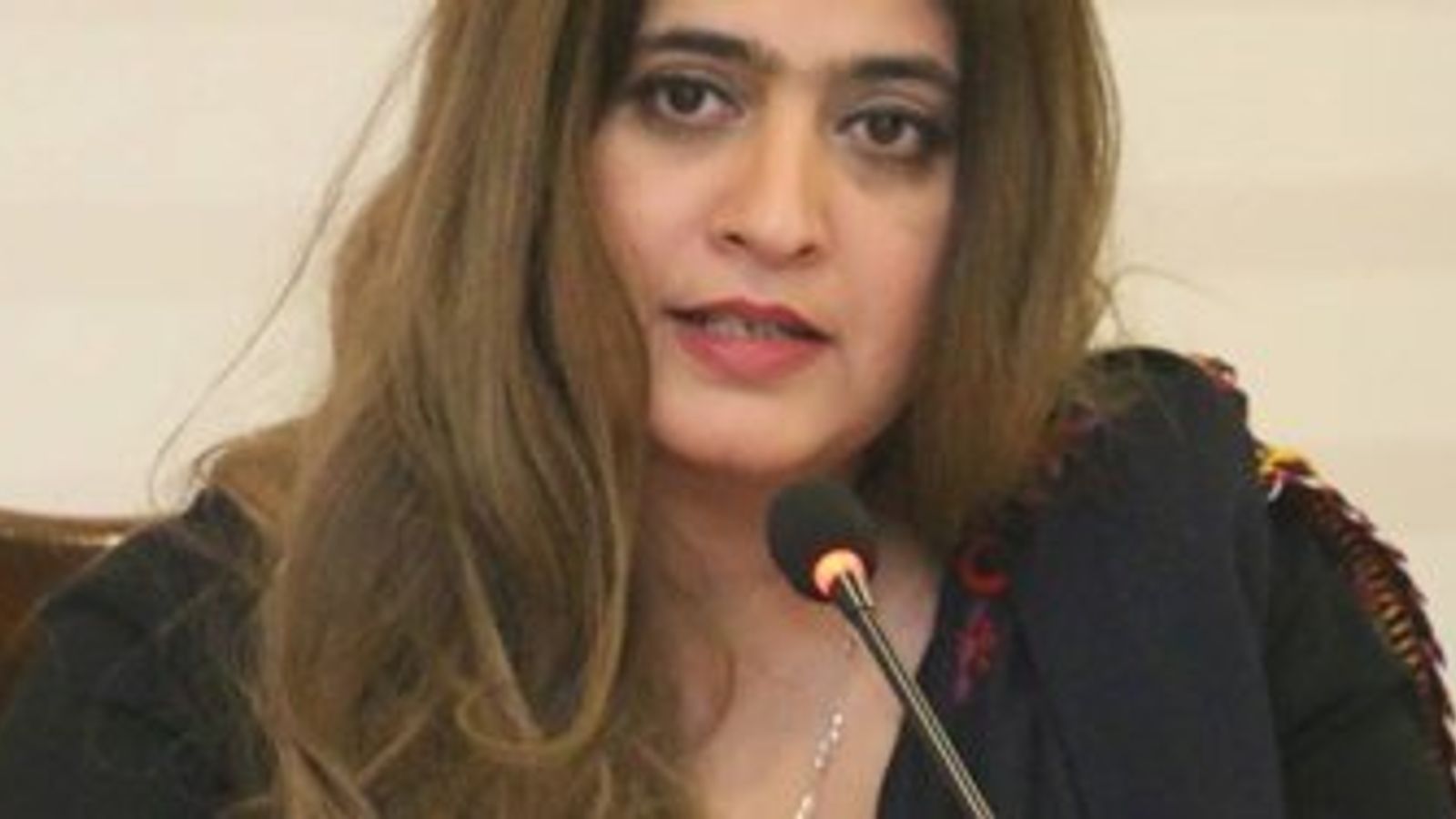
Maria Sultan, head of the South Asia Strategic Stability Institute, has warned that Afghanistan faces potential structural fragmentation due to a lack of centralized leadership and deepening regional dependencies along its borders.
In a recent analysis, Sultan stated that the country currently lacks the strong leadership necessary to maintain long-term stability. She described the current situation as one where Afghanistan functions less as a unified state and more as a collection of border regions that maintain stronger economic and logistical ties with neighboring countries than with the central administration in Kabul.
According to Sultan, these centrifugal tendencies have become institutionalized over recent years. She noted that border provinces rely heavily on cross-border trade and external support networks, maintaining closer commercial and political ties with Iran, Pakistan, and Central Asian states than with the capital. She argued that this dynamic weakens national cohesion and predicted that Afghanistan’s governmental structure could undergo significant changes in the future if a stronger sense of nationalism does not take root.
The South Asia Strategic Stability Institute maintains close institutional ties to Pakistan’s military and intelligence establishment, and its research outputs typically reflect broader Pakistani security doctrines. Sultan’s assessment highlights ongoing regional debates concerning Afghanistan’s internal governance, border management, and long-term geopolitical stability.
Read the original reporting at Afghanistan International →
Reliability assessment
Single-source report with direct, on-record attribution to a named expert (Maria Sultan, head of SASSI). Per verification guidelines, the fact that a named public figure made these statements is concrete and attributable. The outlet's institutional context regarding SASSI's ties to Pakistani security structures is clearly presented as analytical framing. No conflicting sources are available to dispute the reporting.
The source language mixes facts with framing or advocacy wording. Afghanistan International: "not merely a simple research think tank; it is recognized as one of the intellectual and strategic arms close to the Pakistani military" and "representation of the views of Pakistan's hard power circles" editorialize the analyst's statements by framing them as institutional messaging rather than independent analysis, introducing a geopolitical bias.
Across the newsrooms
Filed by
Afghanistan International
Originating
Framed
Framed
Filed under
International — Maria Sultan, South Asia Strategic Stability Institute, Pakistan, Afghanistan, Geopolitics
Reader supported
Keep Ehtebar running
Every published story uses paid tools to translate reporting, compare sources, extract claims, and produce a clearer read on Afghanistan. Reader support helps keep that work independent.
€5
helps cover daily verification runs
€15
supports a week of source comparison
€50
keeps independent analysis moving