
POLITICS — February 16, 2026
Reactions to Taliban Defense Minister's Statements: Society Not Run by Preaching
Taliban Defense Minister Mullah Yaqub urged forces to act rationally and leave a proud legacy, drawing criticisms from opposition figures and media who argue society requires modern laws, not preaching, amid ongoing concerns over revenge killings and lack of unity in participation.
The Ehtebar Desk — originates with Afghanistan International — 2 min read
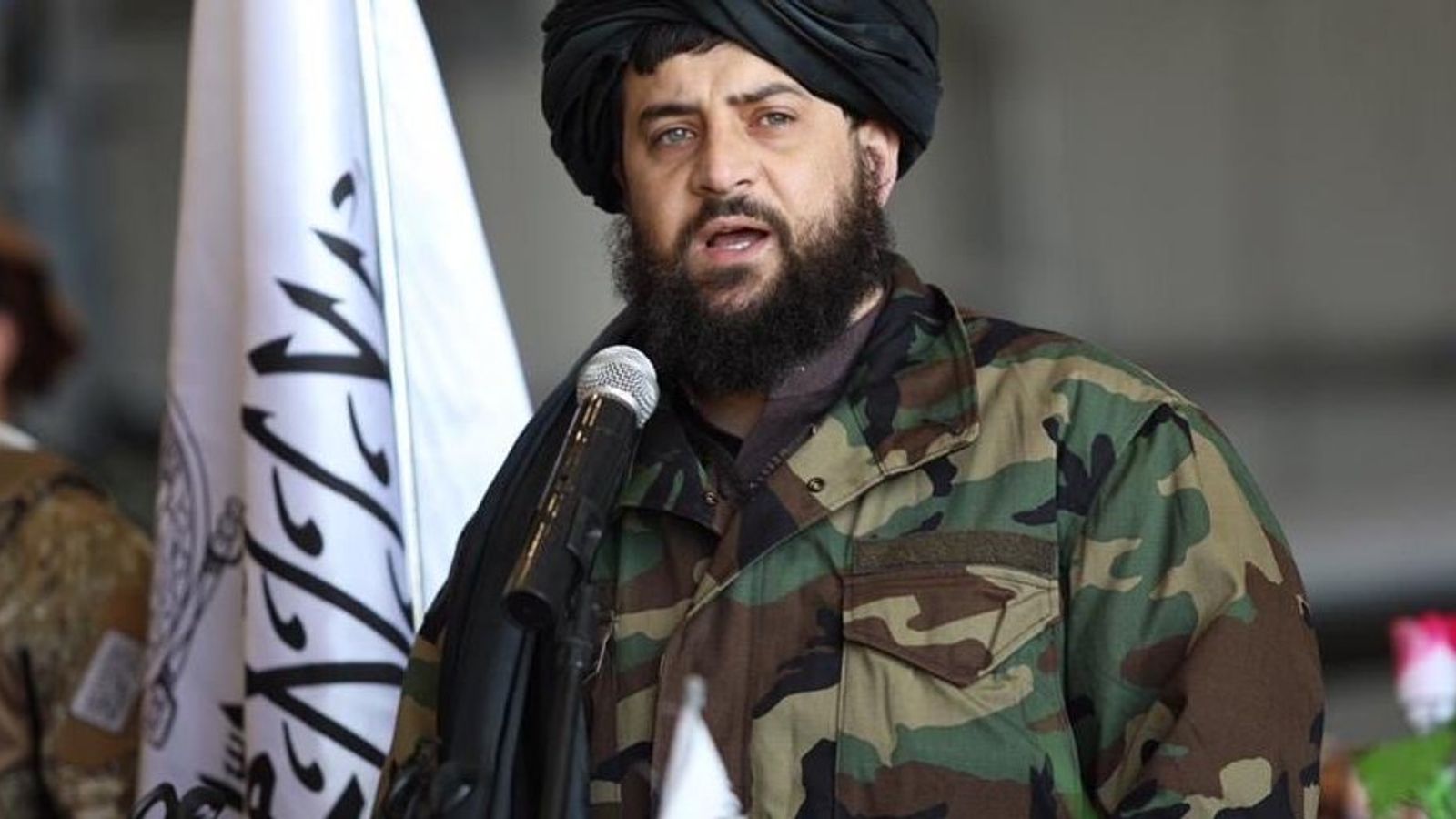
Recent statements by Mullah Yaqub, Taliban defense minister, have sparked reactions and criticisms. On Sunday, 26 Dalu, during the anniversary of the former Soviet withdrawal from Afghanistan in Kabul, Mullah Yaqub told Taliban forces not to act in ways that would lead sensible people to call them crazy. He urged them to consider the future and future generations, leaving a 'white history' of pride rather than one written in 'black or red.'
Dawood Naji, head of the political committee of the Freedom Front of Afghanistan, reposted the statements on X, saying, 'Society is run by modern systems and laws, not by advice.' He added that when laws are from the Hijri century, criticizing rulers is a crime, society is stratified, the country is a scene of horror with field courts for executions and floggings, and revenge is taken by crazed individuals with swords, moral advice does not work.
Social media users stated that Taliban officials should demonstrate thoughtfulness in justice, prudence, respect for people's rights, freedom of thought, and girls' education, adding that words are not enough. They said a call to rationality is meaningful only if the Taliban's behavior is rational.
Civil activist and journalist Lina Rozbeh expressed surprise at Mullah Yaqub's remarks, writing on X that he should first advise his own terrorists. She said those who take revenge are exactly Taliban, who destroyed homes and killed to gain power and are now killing regime opponents, former military personnel, and others. Despite Hibatullah Akhundzada's general amnesty announcement, some former government employees, especially military personnel, have been killed over the past four years.
Hasht-e Subh newspaper questioned why Taliban officials' words are not reflected in their regime's daily performance. It noted that Hibatullah Akhundzada and Interior Minister Sirajuddin Haqqani also speak of unity, but for the Taliban, unity means 'unity in obedience,' not participation. The paper stated that Taliban view unity as unconditional acceptance of the existing order and marginalizing opposing voices, rather than equitable power-sharing or recognizing social-cultural diversity. It added that the regime remains based on concentration and absolute obedience from Kandahar.
Read the original reporting at Afghanistan International →
Reliability assessment
Single source with direct quotes from named individuals (Mullah Yaqub's public speech on verifiable date/event, Dawood Naji, Lina Rozbeh), social media reactions, and a named newspaper article. Concrete, checkable details; political statements, not unverified ground events.
Across the newsrooms
Filed by
Afghanistan International
Originating
Filed under
Politics — Taliban, Mullah Yaqub, Dawood Naji, Freedom Front of Afghanistan, Hasht-e Subh
Reader supported
Keep Ehtebar running
Every published story uses paid tools to translate reporting, compare sources, extract claims, and produce a clearer read on Afghanistan. Reader support helps keep that work independent.
€5
helps cover daily verification runs
€15
supports a week of source comparison
€50
keeps independent analysis moving
More in Politics

Islamic Emirate Leader Orders 21 New Appointments Across Government Posts
— Reliable

Discussion Held on Presenting Achievements of Government Program in Media
— Reliable
Supreme Court of the Islamic Emirate of Afghanistan Outlines Judicial Reforms and Achievements
— Unverified
Ministry of Information and Culture of the Islamic Emirate of Afghanistan Announces Annual Activities and Achievements
— Reliable