
POLITICS — March 14, 2026
Sultan Ali Keshtmand, Afghanistan's First Hazara Prime Minister, Dies in London at 91
Sultan Ali Keshtmand, Afghanistan's first Hazara prime minister under the PDPA government, died in London on 22 Hoot 1404 at age 91. A failed assassination attempt during Dr. Najibullah's rule led to his lifelong exile.
The Ehtebar Desk — originates with Afghanistan International — 2 min read
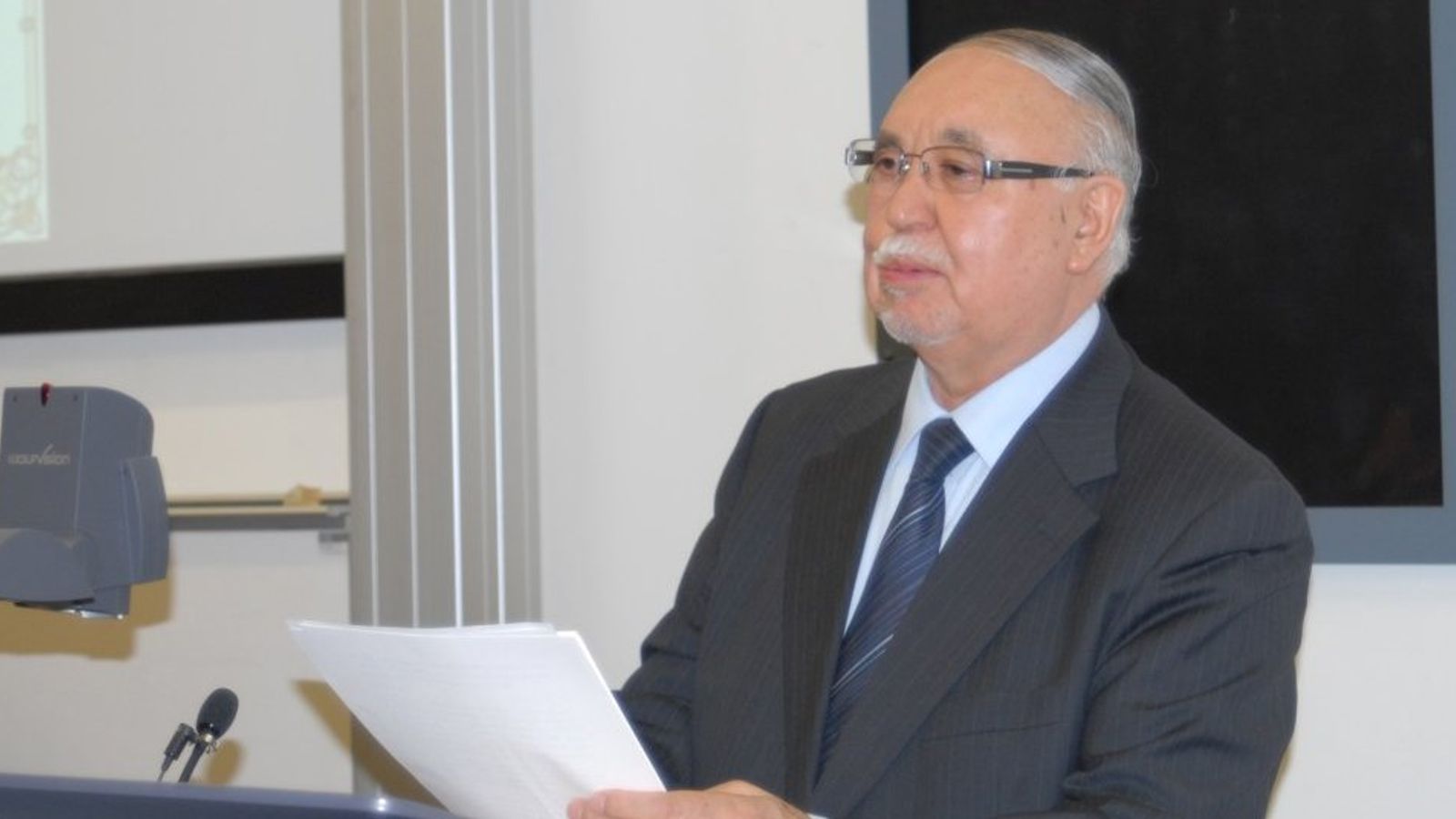
Sultan Ali Keshtmand, Afghanistan's first Hazara prime minister and a prominent figure in the Parcham faction of the People's Democratic Party of Afghanistan, died in London on 22 Hoot 1404 at the age of 91.
Born in spring 1935 in Kabul's Chahar Dehi area to a working-class family, Keshtmand studied economics at Kabul University. He was elected a full member of the PDPA Central Committee at its founding congress on 11 Jadi 1343 and later joined the Parcham faction after the party's split into Khalq and Parcham groups.
Keshtmand was imprisoned on 1 Sonbula 1357 and released following the events of 6 Jadi 1358. Under Babrak Karmal's government, he served as deputy prime minister and minister of planning before becoming prime minister in 1360, a position he held for about 10 years until his removal in the final years of Dr. Najibullah's rule.
Syed Mohammad Yunus Najfizadeh, a former commander of the Wardak and Ghazni Corps and a close associate of Keshtmand, said the prime minister's rise reflected the PDPA's ideological emphasis on elevating deprived classes to power. Najfizadeh described Keshtmand as an educated economist and representative of the working class who advocated for social justice, freedom, peace and democracy, while working to improve the position of marginalized ethnic groups.
During his tenure, Najfizadeh said Keshtmand managed the economy amid wartime conditions, preventing famine and food crises through strategic reserves of petroleum products, food and military equipment in central and provincial warehouses. Thousands of Afghan students were also sent abroad for studies under his leadership.
As a Hazara in a society marked by ethnic discrimination, Keshtmand's premiership marked a turning point, according to Najfizadeh. A failed assassination attempt in the final years of Dr. Najibullah's government forced Keshtmand into lifelong exile, preventing his return to Afghanistan.
Read the original reporting at Afghanistan International →
Reliability assessment
Single source provides direct, on-record attribution from named associate Syed Mohammad Yunus Najfizadeh with concrete, checkable historical details (dates, positions, locations); not high-stakes or volatile.
The source language reads straight.
Across the newsrooms
Filed by
Afghanistan International
Originating
Reported straight
Reported straight
Filed under
Politics — Sultan Ali Keshtmand, Hazara, PDPA, Parcham faction, Najibullah government
Reader supported
Keep Ehtebar running
Every published story uses paid tools to translate reporting, compare sources, extract claims, and produce a clearer read on Afghanistan. Reader support helps keep that work independent.
€5
helps cover daily verification runs
€15
supports a week of source comparison
€50
keeps independent analysis moving
More in Politics
Islamic Emirate Leader Orders 21 New Appointments Across Government Posts
— Reliable

Discussion Held on Presenting Achievements of Government Program in Media
— Reliable
Supreme Court of the Islamic Emirate of Afghanistan Outlines Judicial Reforms and Achievements
— Unverified
Ministry of Information and Culture of the Islamic Emirate of Afghanistan Announces Annual Activities and Achievements
— Reliable