
SOCIETY — March 21, 2026
Taliban Keep Schools and Universities Closed to Girls as New Academic Year Begins
The Taliban have barred girls from schools and universities for a fourth year as Afghanistan's new academic year starts after Eid, potentially affecting sixth-grade graduates as well. UNESCO and UNICEF highlight severe educational setbacks, with over 2.2 million girls out of school and 90% of 10-year-olds unable to read simple texts.
The Ehtebar Desk — originates with Amu TV — 2 min read
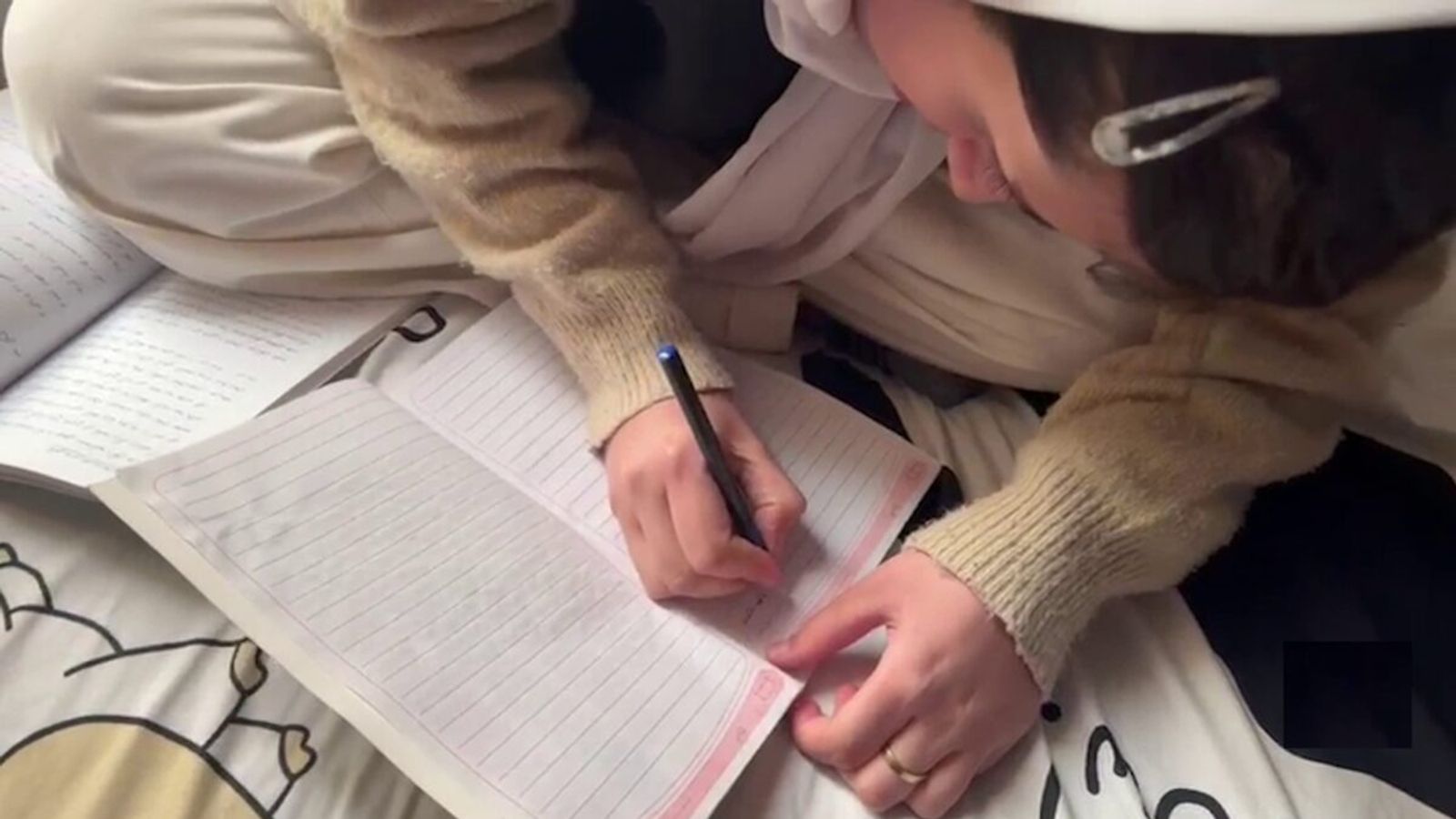
The new academic year in Afghanistan has begun after the Eid holidays, but the Taliban have kept the gates of schools and universities closed to girls for the fourth consecutive year.
Girls who graduated from sixth grade may also be deprived of continuing their education. Affected students expressed that the closures have turned their Eid joy into sorrow. Families share similar distress, with one Kabul resident stating: "Eid came, my daughter is crying and wailing, I myself am wailing, I say my child, Eid has no meaning for me and you because you are deprived of school, like you all girls are deprived of school, I am a mother, I am very distressed."
Human rights researcher Abdul Ahad Farzam stated that the continuation of depriving girls of education causes economic dependency, intensifies poverty among families and citizens, and hinders Afghanistan's development and progress in the future.
The United Nations Educational, Scientific and Cultural Organization (UNESCO) reports that Afghanistan's education system faces unprecedented challenges and the Taliban's restrictive policies have reversed two decades of progress. The report indicates that more than 90 percent of 10-year-old children are unable to read a simple text, marking one of the world's most severe learning crises.
According to UNICEF statistics, more than 2.2 million girls have been deprived of school due to the Taliban's restrictions.
Read the original reporting at Amu TV →
Reliability assessment
Single source (Amu TV) provides direct on-record quote from named human rights researcher Abdul Ahad Farzam, plus concrete citations to UNESCO report and UNICEF statistics with specific numbers (>90% illiteracy rate, 2.2M girls out of school), confirming the core event of ongoing Taliban restrictions on girls' education.
The source language mixes facts with framing or advocacy wording. Amu TV: "turned the joy of Eid into sorrow" - emotional framing of policy impact; "suffer from the crying of their daughters" and "Taliban have taken away their Eid joy" - advocacy phrasing emphasizing personal pain; "will hinder the development and progress of Afghanistan" - opinionated prediction of negative consequences.
Independent web corroboration
A separate web search returned 8 matching reports. A selection:
At first, the Taliban allowed us ... girls. But that hope quickly turned into despair. <strong>The gates to knowledge and opportunity were shut tight and have never opened again.</strong>...
- UN Chief Says Women, Girls Are Being Erased From Public Life in Afghanistan - Khaama Presskhaama.com
<strong>Girls in Afghanistan remain barred from secondary schools and universities</strong>, while women face tight limits on employment in many sectors. These restrictions have sharply reduced access to education, income and independence for millions across ...
- After 4 years of repressive Taliban rule, Afghans are suffering in silence. Is the world still watching?theconversation.com
The Taliban’s repression of women ... crime. <strong>Edicts have erased women from public life, banning them from education beyond primary school (with the exception of religious education), employment and public spaces</strong>....
Across the newsrooms
Filed by
Amu TV
Originating
Framed
Framed
Filed under
Society — Taliban, girls' education, Afghanistan, UNESCO, UNICEF
Reader supported
Keep Ehtebar running
Every published story uses paid tools to translate reporting, compare sources, extract claims, and produce a clearer read on Afghanistan. Reader support helps keep that work independent.
€5
helps cover daily verification runs
€15
supports a week of source comparison
€50
keeps independent analysis moving
More in Society
Health Officials and Experts Discuss Rise in Black Jaundice Cases in Afghanistan
— Reliable
Discussion on Agricultural Products and Health Services in Samangan Province
— Reliable
WHO Report Cites Taliban Restrictions and Funding Shortfalls as Threats to Health Services in Afghanistan
— Reliable
Afghan officials report returns of families from Pakistan and Iran alongside releases from Pakistani prisons
— Reliable