
SOCIETY — May 4, 2026
UN-Habitat Highlights Afghanistan’s Housing Crisis Ahead of World Urban Forum
UN-Habitat has identified Afghanistan’s housing crisis as a key topic for the upcoming World Urban Forum in Azerbaijan, citing the return of over five million migrants since 2023 and an estimated four million people in need of emergency shelter this year.
The Ehtebar Desk — originates with Khaama Press — corroborated by Hasht-e Subh — 2 min read
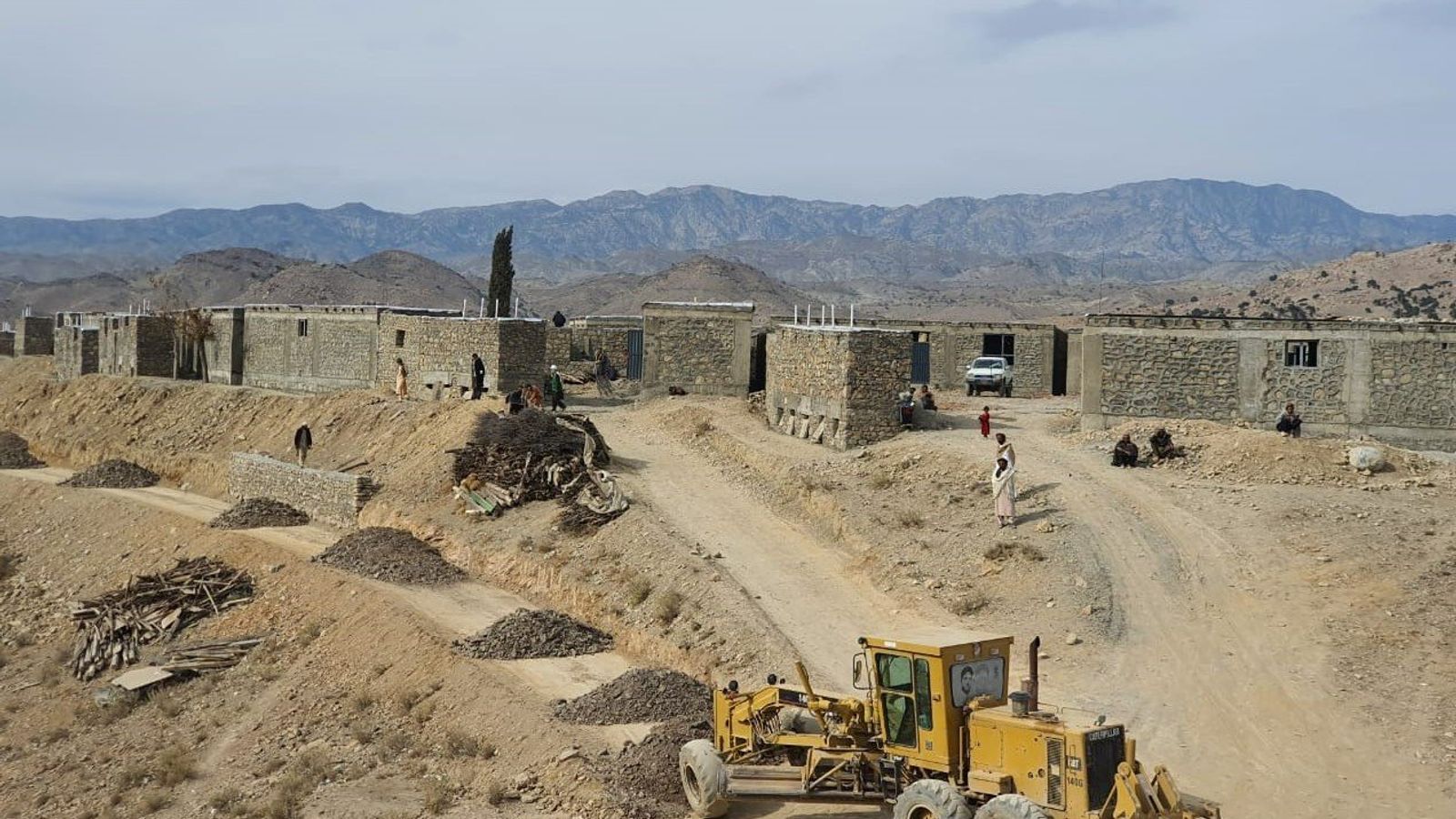
The United Nations Human Settlements Programme (UN-Habitat) has announced that Afghanistan’s deepening housing and shelter crisis will be a central focus at the upcoming World Urban Forum. The international conference is scheduled to take place in Baku, Azerbaijan, from May 17 to May 22.
According to agency officials, the rapid return of more than five million migrants since 2023 has placed severe strain on the country’s urban infrastructure and housing capacity. UN-Habitat projects that approximately four million Afghans will require emergency shelter assistance this year. The agency emphasized that addressing these urgent needs is critical for long-term stability and urban development.
The situation in the capital reflects broader national challenges. Officials reported that four out of five residents in Kabul currently live in informal settlements, where access to essential services such as clean water, sanitation, and electricity remains highly limited. The expansion of these unplanned neighborhoods has outpaced municipal planning and service delivery.
Delegates and policymakers at the Baku forum are expected to discuss strategies for expanding basic urban services, formalizing housing markets, and improving living conditions in rapidly growing cities. UN-Habitat indicated that sustainable urban planning and targeted humanitarian support will be necessary to mitigate the impact of large-scale population returns and displacement.
The agency reiterated that coordinated international and domestic efforts are required to address the shelter deficit and ensure that returning populations have access to safe, adequate housing. The discussions in Azerbaijan will aim to integrate these priorities into broader frameworks for urban resilience and development across the region.
Read the original reporting at Khaama Press →
Reliability assessment
Two independent outlets corroborate the exact same UN-Habitat statement with identical statistics, dates, and locations. The attribution is direct, on-record, and provides concrete, checkable details regarding Afghanistan's housing crisis and the upcoming international forum. No conflicting information exists between the sources.
The source language reads straight.
Independent web corroboration
A separate web search returned 8 matching reports. A selection:
WUF13 will feature six high-level dialogues bringing together global leaders, policymakers and experts to examine solutions to housing challenges
The thirteenth session of the World Urban Forum (WUF13) takes place in Baku, Azerbaijan, from 17 to 22 May 2026. The theme of WUF13 is: Housing the world: Safe and resilient cities and communities.
The thirteenth session of the World Urban Forum (WUF13) will be held from 17 to 22 May 2026 in Baku, Azerbaijan, organised by UN-Habitat and the Government of Azerbaijan. The agenda will be the housing crisis.
Across the newsrooms
Where reports agree
- Both sources cite UN-Habitat as the primary source for all statistics and warnings.
- Both report identical figures: over 5 million returnees since 2023, 4 out of 5 Kabul residents in informal settlements, and approximately 4 million needing emergency shelter this year.
- Both confirm the World Urban Forum dates (May 17-22) and location (Baku, Azerbaijan).
- Both highlight the rapid expansion of informal settlements and the resulting lack of access to water, sanitation, and electricity.
Filed by 2 outlets
Khaama Press
Originating
Reported straight
Reported straight
Hasht-e Subh
Reported straight
Reported straight
Filed under
Society — UN-Habitat, World Urban Forum, Housing Crisis, Returnees, Informal Settlements
Reader supported
Keep Ehtebar running
Every published story uses paid tools to translate reporting, compare sources, extract claims, and produce a clearer read on Afghanistan. Reader support helps keep that work independent.
€5
helps cover daily verification runs
€15
supports a week of source comparison
€50
keeps independent analysis moving
More in Society
Health Officials and Experts Discuss Rise in Black Jaundice Cases in Afghanistan
— Reliable

Discussion on Agricultural Products and Health Services in Samangan Province
— Reliable
WHO Report Cites Taliban Restrictions and Funding Shortfalls as Threats to Health Services in Afghanistan
— Reliable
Afghan officials report returns of families from Pakistan and Iran alongside releases from Pakistani prisons
— Reliable