
SOCIETY — March 23, 2026
UN-Habitat: Unequal Access to Housing Deprives Many Afghans of Clean Water
UN-Habitat announced that unequal access to housing, land, and basic services in Afghanistan has left many without clean water and health facilities, framing these as human rights issues. The organization referenced UNICEF and UNESCO reports on the impacts of water-fetching burdens on children, women, and girls' education and employment.
The Ehtebar Desk — originates with Hasht-e Subh — 2 min read
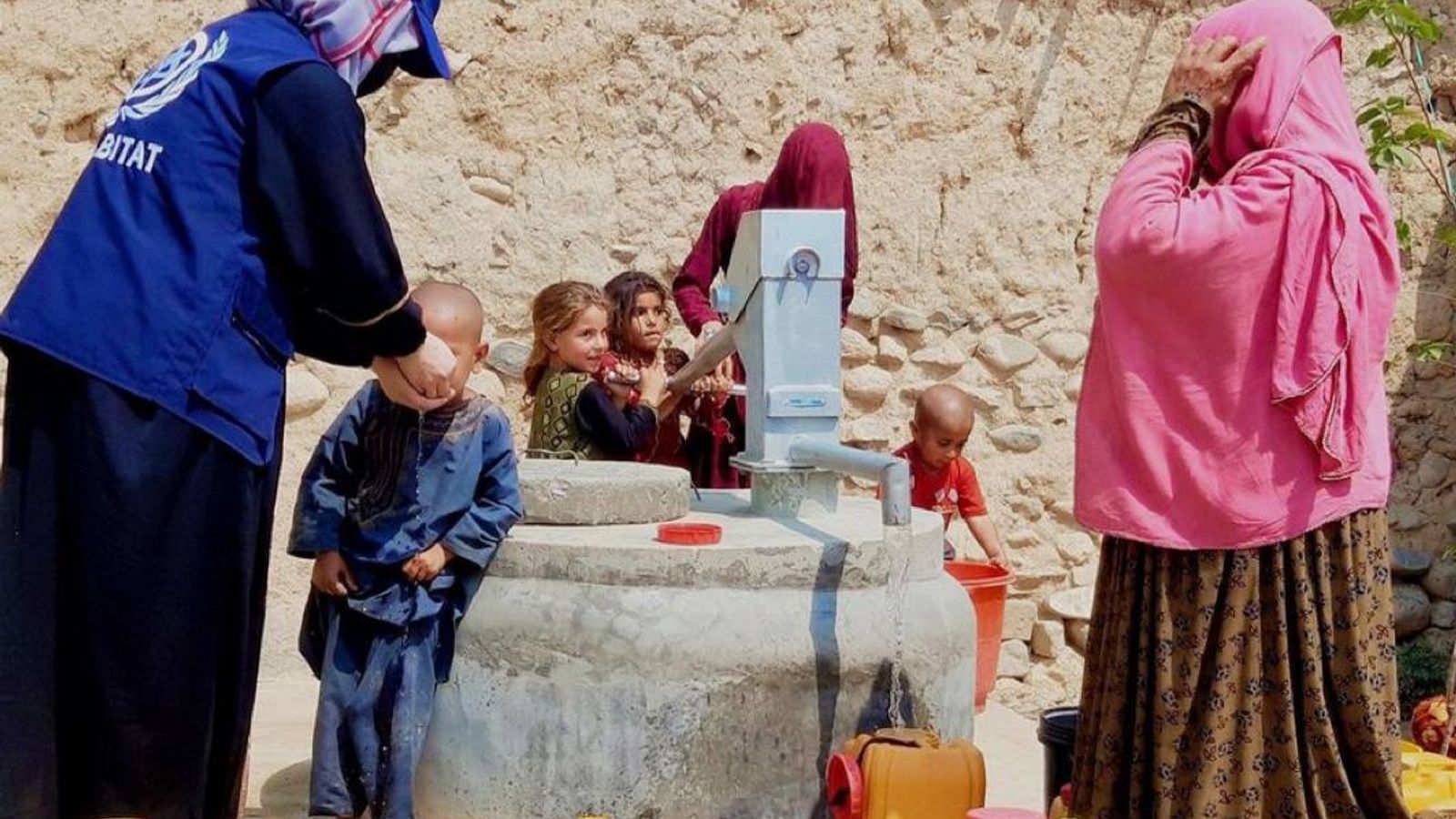
KABUL (Afghan Verified) -- The United Nations Human Settlements Programme (UN-Habitat) announced that unequal access to housing, land, and basic services has deprived many people in Afghanistan of clean water and health facilities.
UN-Habitat made the statement in a post on its X account on Monday, 3 Hamal, emphasizing that water and health services represent issues of equality, dignity, and human rights, beyond mere infrastructure concerns.
The organization noted that many families in Afghanistan are forced to walk for hours to fetch clean water, either themselves or by sending their children.
UN-Habitat referenced prior UNICEF reports stating that access to clean water reduces the need for long walks to fetch water and increases educational opportunities for children.
It also cited UNESCO announcements that in many communities, providing water remains disproportionately the responsibility of women and girls, depriving them of job and educational opportunities.
Read the original reporting at Hasht-e Subh →
Reliability assessment
Single source reports direct, on-record statement from named organization UN-Habitat via its X page, which provides concrete, checkable attribution (date-specific post). Additional references to UNICEF and UNESCO statements are attributable.
The source language reads straight.
Independent web corroboration
An independent web search turned up no separate corroborating reports. Treat the account as single-sourced until more outlets pick it up.
Across the newsrooms
Filed by
Hasht-e Subh
Originating
Reported straight
Reported straight
Filed under
Society — UN-Habitat, UNICEF, UNESCO, Afghanistan, clean water
Reader supported
Keep Ehtebar running
Every published story uses paid tools to translate reporting, compare sources, extract claims, and produce a clearer read on Afghanistan. Reader support helps keep that work independent.
€5
helps cover daily verification runs
€15
supports a week of source comparison
€50
keeps independent analysis moving
More in Society
Health Officials and Experts Discuss Rise in Black Jaundice Cases in Afghanistan
— Reliable
Discussion on Agricultural Products and Health Services in Samangan Province
— Reliable
WHO Report Cites Taliban Restrictions and Funding Shortfalls as Threats to Health Services in Afghanistan
— Reliable
Afghan officials report returns of families from Pakistan and Iran alongside releases from Pakistani prisons
— Reliable