INTERNATIONAL — February 23, 2026
UN Human Rights Council Opens 61st Session with Afghanistan on Agenda
The UN Human Rights Council launched its 61st session in Geneva, spotlighting Afghanistan's human rights crisis, particularly restrictions on women and girls, as highlighted by UN General Assembly President Annalena Baerbock. Secretary-General Guterres addressed global rights threats amid upcoming dedicated Afghanistan discussions.
The Ehtebar Desk — originates with Amu TV — corroborated by Khaama Press and Afghanistan International — 2 min read
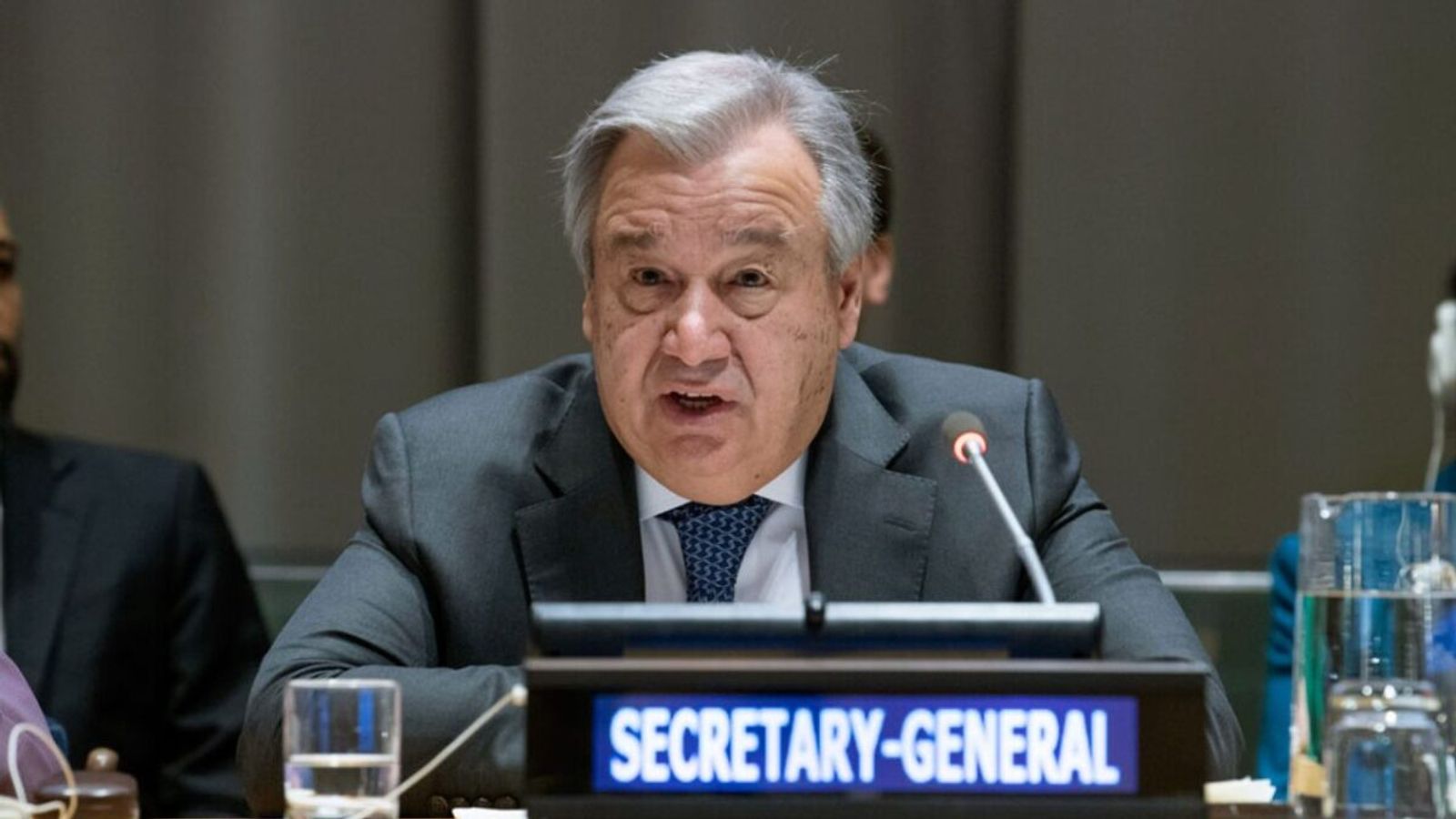
The United Nations Human Rights Council opened its 61st annual session in Geneva on Monday, with Afghanistan's human rights situation prominently featured.
Annalena Baerbock, president of the 80th UN General Assembly and former German foreign minister, opened her address by focusing on the situation of women in Afghanistan under Taliban control. She described it as the "worst structural violation of human rights," which some refer to as "gender apartheid" against women and girls. Baerbock criticized discussions that differentiate between Taliban in Kabul and Kandahar, arguing that protecting women's rights should not be sidelined. She warned that appeasement toward severe human rights violations yields no results and stressed that women's rights are a measure of any society's status, as they represent half the world's population.
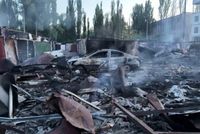
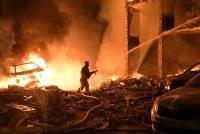
UN Secretary-General Antonio Guterres, speaking at the opening, warned of unprecedented threats to human rights worldwide, with a "full-scale assault" led by powerful actors. He highlighted violations in Ukraine, where over 15,000 civilians have been killed in four years, and in occupied Palestinian territories. Guterres also addressed rising conflicts, impunity, humanitarian needs, inequalities, climate crises, and vulnerabilities faced by migrants, refugees, and minorities.
Afghanistan is scheduled for dedicated discussions and side events on February 26-27. UN Special Rapporteur Richard Bennett is expected to present his report, emphasizing restrictions on women's and girls' education, employment, media freedom, and minority protections. Naseer Ahmad Andisha noted these dialogues will address the situation. Human rights monitors have raised concerns over deepening marginalization since the Taliban's return to power.
Volker Turk, UN High Commissioner for Human Rights, also warned of resurgent power politics and the normalization of force in resolving disputes.
Read the original reporting at Amu TV →
Reliability assessment
Three independent sources corroborate the opening of the 61st UNHRC session in Geneva on February 23, 2026, Baerbock's speech focusing on Afghanistan with direct quotes, and scheduled discussions on the country; Guterres' global remarks detailed in one source with attribution.
The source language reads straight.
Across the newsrooms
Filed by 3 outlets
Amu TV
Originating
Khaama Press
Afghanistan International
Filed under
International — UN Human Rights Council, Afghanistan, women's rights, Taliban, Annalena Baerbock
Reader supported
Keep Ehtebar running
Every published story uses paid tools to translate reporting, compare sources, extract claims, and produce a clearer read on Afghanistan. Reader support helps keep that work independent.
€5
helps cover daily verification runs
€15
supports a week of source comparison
€50
keeps independent analysis moving