
SOCIETY — March 9, 2026
UN Reports Detail Severe Gender Gaps for Afghan Women and Girls
UN agencies released reports on International Women's Day detailing severe gender inequalities in Afghanistan, including eliminated support pathways for women and girls, massive workforce gaps and risks like early marriage and poverty.
The Ehtebar Desk — originates with Hasht-e Subh — corroborated by Amu TV — 2 min read
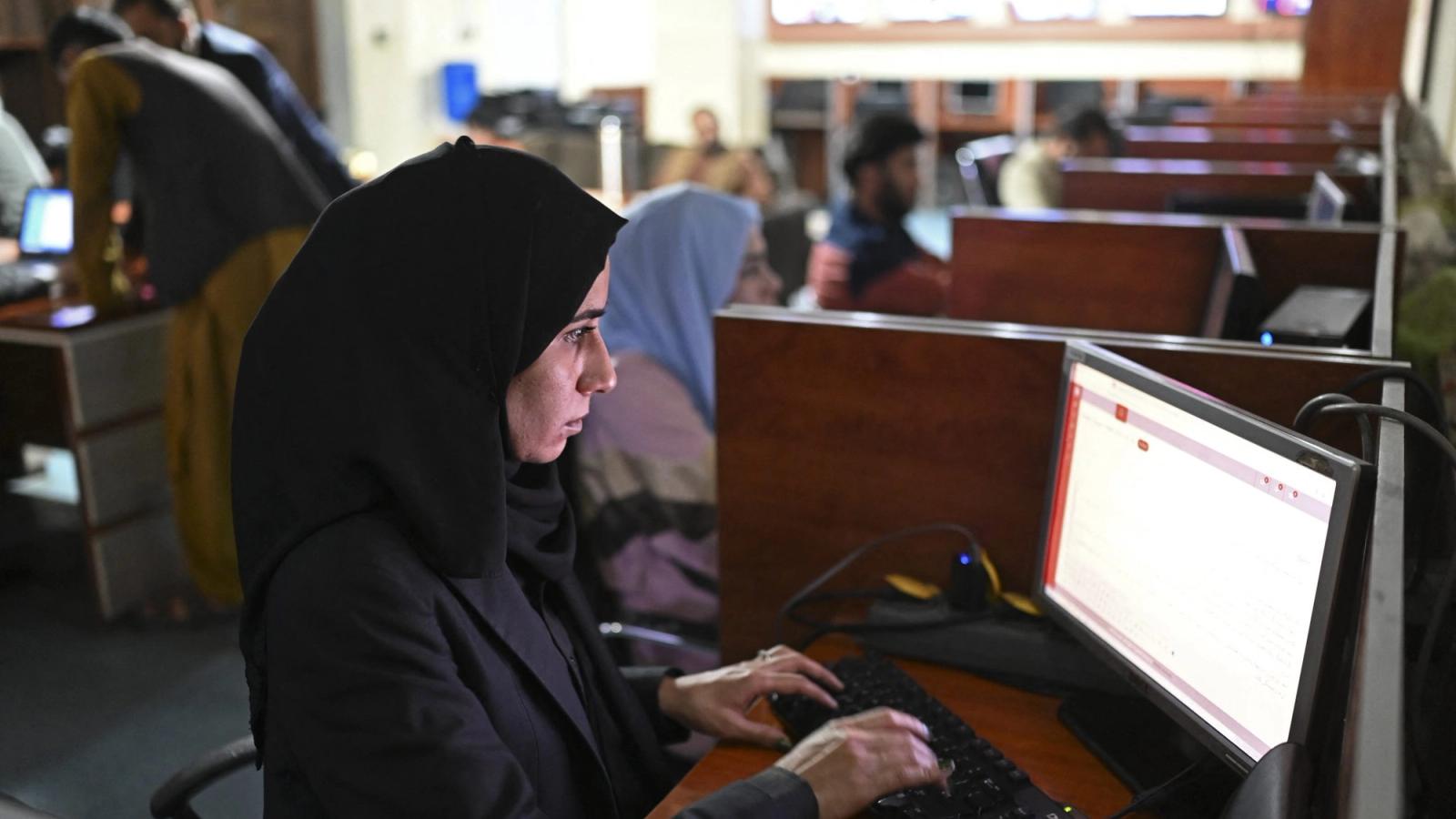
The United Nations Habitat agency for Afghanistan released a report titled "Ten Gender Gaps in Afghanistan" on International Women's Day, warning of profound gender inequality under Taliban rule. The report, based on data from Herat, Jalalabad, Kabul and Kandahar, states that all pathways supporting the security, dignity and empowerment of women and girls have been eliminated. Women have been systematically excluded from urban decision-making processes, while girls face compounded risks including early marriage, poverty, permanent social isolation, denial of education and lack of psychological support.
Urban structures in Afghanistan marginalize women's roles, rendering city job markets largely inaccessible to them. Female-headed households rely on debt or humanitarian aid, with restrictions severely limiting women's income sources.
Separately, UN Women highlighted Afghanistan's position among countries with the world's largest workforce gender gaps, stating that only 7% of women in households are employed compared to 84% of men. The agency emphasized that this situation should not be normalized and that supporting women's access to job opportunities remains possible. It noted broader social and economic consequences, including that 90% of female-headed households lack sufficient food.
Women's protest movements, active during International Women's Day campaigns, have stressed recognition of gender apartheid in Afghanistan and vowed to continue protests until freedoms return. The exiled Free Women's Movement stated: "We are Afghan women, we will not be silenced."
Both reports underscore Afghanistan's extreme gender disparities across education, employment, mobility and urban participation.
Read the original reporting at Hasht-e Subh →
Reliability assessment
Two independent outlets corroborate UN agencies' reports on core gender disparities in Afghanistan, including urban exclusion, workforce gaps (7% women vs. 84% men employed) and vulnerabilities for female-headed households.
The source language mixes facts with framing or advocacy wording. Amu TV: 'all support paths ... have been eliminated' (absolute elimination framing), 'shocking gender inequality' (emotional intensity); Hasht-e Subh: 'alarmingly low' participation, 'one of the largest gender gaps' (heightened alarm and superlative).
Across the newsrooms
Filed by 2 outlets
Hasht-e Subh
Originating
Amu TV
Filed under
Society — UN Habitat, UN Women, Gender Inequality, Afghan Women, Taliban
Reader supported
Keep Ehtebar running
Every published story uses paid tools to translate reporting, compare sources, extract claims, and produce a clearer read on Afghanistan. Reader support helps keep that work independent.
€5
helps cover daily verification runs
€15
supports a week of source comparison
€50
keeps independent analysis moving
More in Society
Health Officials and Experts Discuss Rise in Black Jaundice Cases in Afghanistan
— Reliable
Discussion on Agricultural Products and Health Services in Samangan Province
— Reliable
WHO Report Cites Taliban Restrictions and Funding Shortfalls as Threats to Health Services in Afghanistan
— Reliable
Afghan officials report returns of families from Pakistan and Iran alongside releases from Pakistani prisons
— Reliable