
SOCIETY — February 21, 2026
UNESCO Highlights Global Mother Tongue Education Gaps on International Mother Language Day; Afghan Citizens Voice Concerns Over Language Policies
UNESCO reports over 40% of the global population lacks mother tongue education access amid threats to linguistic diversity. In Afghanistan, residents criticize Taliban favoritism toward Pashto in official settings, raising fears for cultural identity and equity.
The Ehtebar Desk — originates with Hasht-e Subh — corroborated by Amu TV — 2 min read
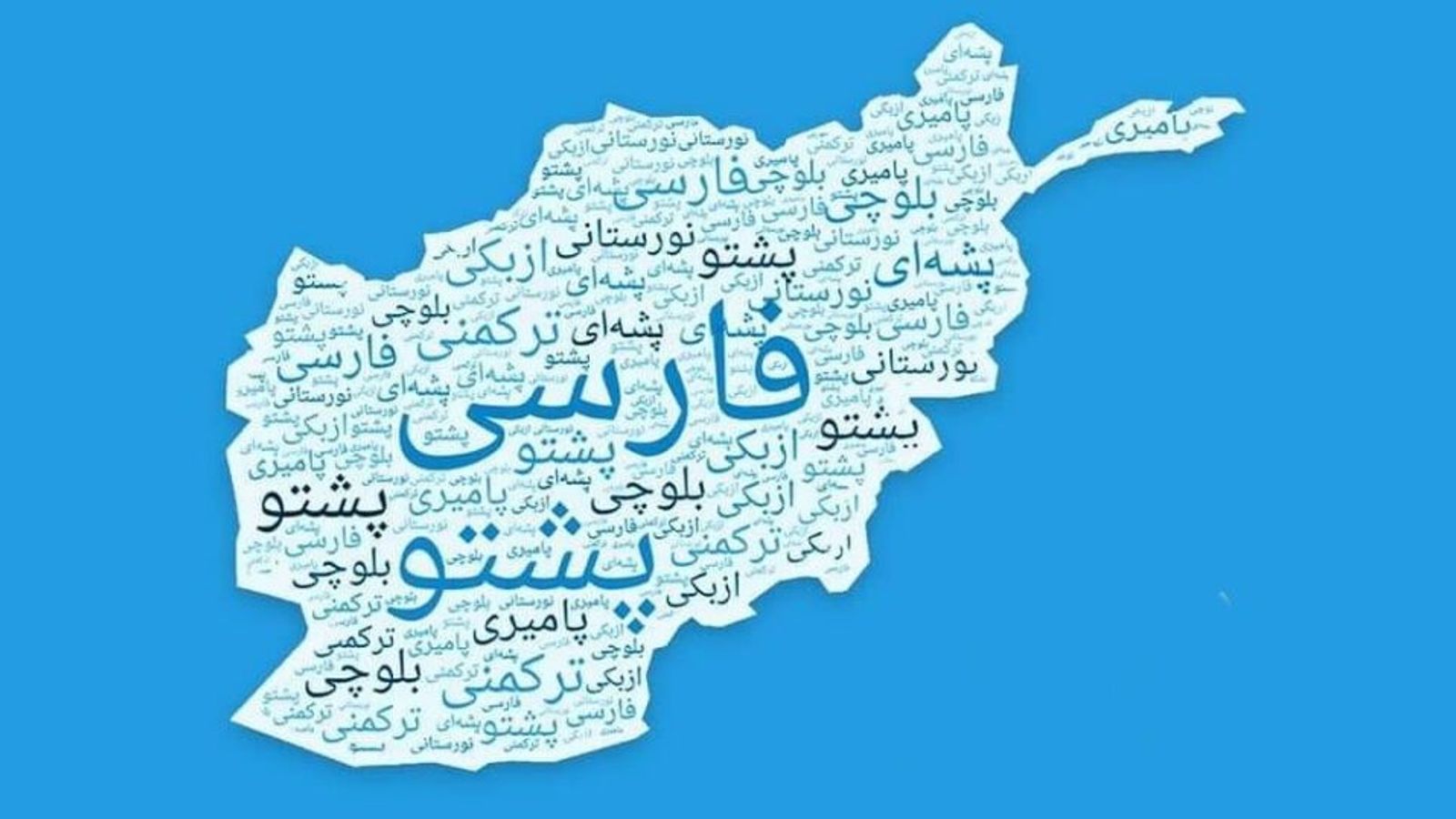
The United Nations Educational, Scientific and Cultural Organization (UNESCO) marked International Mother Language Day on February 21 by stating that more than 40% of the world's population lacks full access to education in their mother tongue due to various reasons. UNESCO emphasized the protection of linguistic diversity as vital, warning that it is increasingly threatened in some communities, with more languages disappearing globally.
In Afghanistan, citizens and activists expressed concerns that policies under the Taliban prioritize Pashto in government offices, educational materials, signage, and administrative documents, marginalizing other languages such as Dari (Farsi) and Uzbek. A Kabul resident told Amu TV that in government offices, Pashto is dominant on signs and in interactions, with work processed faster for Pashto speakers, while Dari speakers face delays. Another Kabul resident said only Pashto receives attention, despite all languages representing Afghanistan's identity.
Samiullah Farmarz, a Kabul resident using a pseudonym, told Hasht-e Subh that in government offices, conversations are mostly in Pashto, delaying service for non-speakers, potentially reducing linguistic diversity long-term. Sabghatullah Radfar from Faryab, whose mother tongue is Uzbek, said his children struggle in Dari-medium schools, reducing their motivation. Farhad Kakar from Kandahar, a Pashto speaker, criticized the lack of programs for other languages in curricula and media, calling for equitable policies to prevent native languages from fading.
Activist Azita Nazimi told Amu TV that safeguarding mother tongues is a national and human necessity in Afghanistan's diverse society, with linguistic discrimination threatening social cohesion. Media figure Fereshteh Hamidi and cultural activist Zarifa Akhundzada from Takhar stressed speaking mother tongues, literacy, and inclusive media and education to preserve languages. Experts suggested targeted educational programs and cultural content to sustain Afghanistan's linguistic diversity.
Read the original reporting at Hasht-e Subh →
Reliability assessment
Key facts corroborated by two independent sources: UNESCO's global statement on 40% lacking mother tongue education and direct quotes from multiple named/pseudonymed Afghan residents and activists detailing experiences with language prioritization in government and education.
The source language mixes facts with framing or advocacy wording. Amu TV: 'حذف نظامند کاربرد برخی زبانها از سوی طالبان' (systematic elimination of some languages by the Taliban) and 'سیاستهای طالبان ... صدمه زده' (Taliban policies have damaged peaceful coexistence) use loaded terms implying deliberate harm; Hasht-e Subh title 'سیاستهای حذفگرایانه و ناعادلانه' (exclusionary and unfair policies) frames policies with advocacy phrasing.
Across the newsrooms
Filed by 2 outlets
Hasht-e Subh
Originating
Amu TV
Filed under
Society — UNESCO, Mother Language Day, Taliban language policy, Linguistic diversity, Afghanistan
Reader supported
Keep Ehtebar running
Every published story uses paid tools to translate reporting, compare sources, extract claims, and produce a clearer read on Afghanistan. Reader support helps keep that work independent.
€5
helps cover daily verification runs
€15
supports a week of source comparison
€50
keeps independent analysis moving
More in Society
Health Officials and Experts Discuss Rise in Black Jaundice Cases in Afghanistan
— Reliable
Discussion on Agricultural Products and Health Services in Samangan Province
— Reliable
WHO Report Cites Taliban Restrictions and Funding Shortfalls as Threats to Health Services in Afghanistan
— Reliable
Afghan officials report returns of families from Pakistan and Iran alongside releases from Pakistani prisons
— Reliable