
SOCIETY — April 30, 2026
UNFPA Report Highlights Need for Mental Health Support for Afghan Women and Girls
A UNFPA report indicates that mental health counseling and psychosocial programs are improving the wellbeing of Afghan women and girls amid a prolonged humanitarian crisis. The agency is urging sustained international funding to expand these services and address ongoing access barriers.
The Ehtebar Desk — originates with Khaama Press — 2 min read
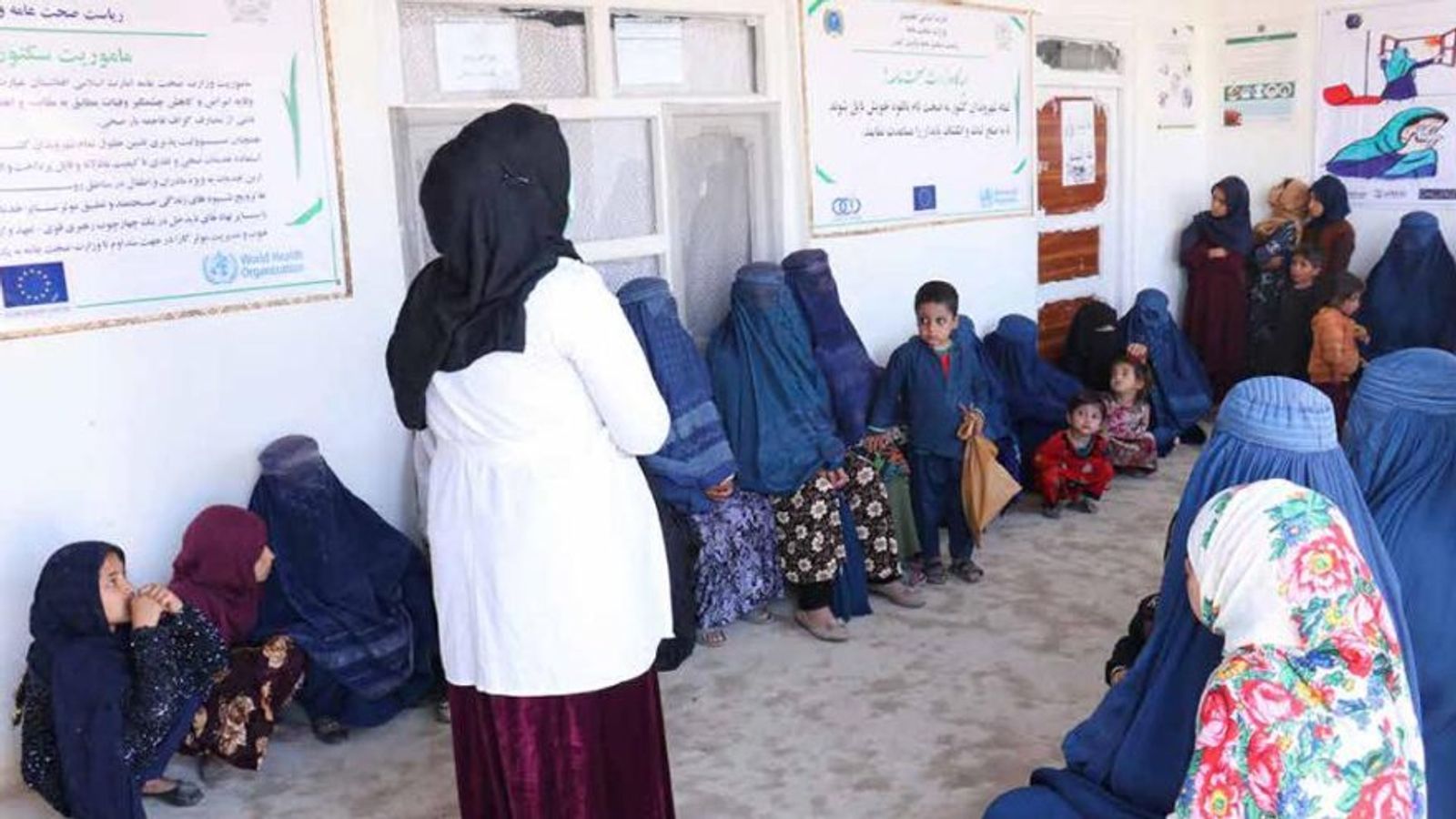
The United Nations Population Fund (UNFPA) has reported that targeted mental health counseling and psychosocial support programs are significantly improving the wellbeing of women and girls in Afghanistan. According to the agency’s latest assessment, interventions such as psychological first aid, individual counseling sessions, and the establishment of safe spaces have helped reduce anxiety and fear among women facing prolonged isolation and limited access to basic resources.
The report notes that Afghanistan’s ongoing humanitarian crisis, coupled with economic decline and restrictions on women’s public participation, has contributed to a rise in mental health challenges. Despite these pressures, UNFPA officials stated that structured support initiatives have fostered greater emotional stability and resilience among beneficiaries, particularly through integrated maternal and child care centers.
However, access to mental health services remains constrained across the country. The agency highlighted a persistent shortage of trained mental health professionals, alongside cultural barriers that continue to limit outreach in many communities. UNFPA emphasized that expanding these essential services will require sustained international funding and coordinated efforts with local health networks.
In its findings, the agency called on global donors and humanitarian partners to prioritize long-term financial commitments for psychosocial programs. Officials warned that without continued investment, the progress made in addressing trauma and psychological distress among Afghan women and girls could be reversed. The report underscores the critical role of community-based mental health initiatives in mitigating the broader impacts of the country’s humanitarian emergency.
Read the original reporting at Khaama Press →
Reliability assessment
Single-source report with direct, on-record attribution to a named UN agency (UNFPA) regarding a specific published report. The core claim (UNFPA's assessment and call for continued funding) is concrete, attributable, and checkable. No conflicting reports exist.
The source language reads straight.
Independent web corroboration
An independent web search turned up no separate corroborating reports. Treat the account as single-sourced until more outlets pick it up.
Across the newsrooms
Filed by
Khaama Press
Originating
Reported straight
Reported straight
Filed under
Society — UNFPA, Mental Health, Afghan Women, Humanitarian Aid, United Nations
Reader supported
Keep Ehtebar running
Every published story uses paid tools to translate reporting, compare sources, extract claims, and produce a clearer read on Afghanistan. Reader support helps keep that work independent.
€5
helps cover daily verification runs
€15
supports a week of source comparison
€50
keeps independent analysis moving
More in Society
Health Officials and Experts Discuss Rise in Black Jaundice Cases in Afghanistan
— Reliable
Discussion on Agricultural Products and Health Services in Samangan Province
— Reliable
WHO Report Cites Taliban Restrictions and Funding Shortfalls as Threats to Health Services in Afghanistan
— Reliable
Afghan officials report returns of families from Pakistan and Iran alongside releases from Pakistani prisons
— Reliable