
SOCIETY — March 10, 2026
UNICEF: Afghan Children Returning from Iran Face Uncertainty
UNICEF reports that Afghan children returning from Iran face uncertainty, urgent humanitarian needs, and risks amid strained services at border reception centers. In 2025, nearly three million Afghans returned, with the agency calling for more aid to address malnutrition and health pressures.
The Ehtebar Desk — originates with Amu TV — corroborated by Hasht-e Subh — 2 min read
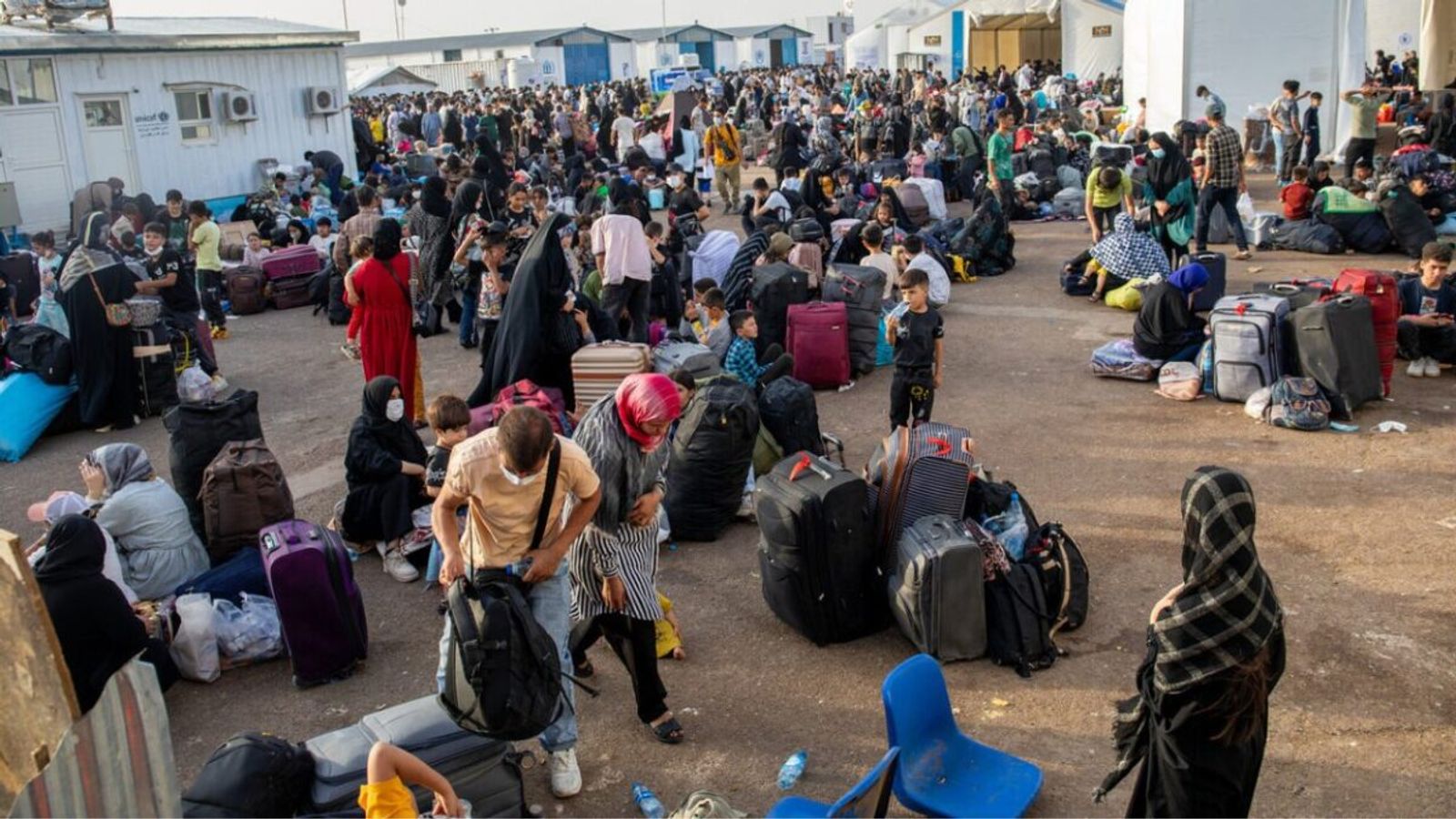
UNICEF stated that Afghan children returning from Iran are facing uncertainty and increased humanitarian needs, with many in dire humanitarian situations.
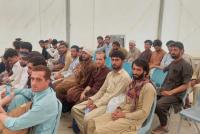
Tajaldin Uvvalah, at a UN press conference in Geneva, said Afghan families from Iran enter through the Islam Qala border crossing and other borders after difficult and unexpected journeys, leaving them tired and worried about their future. He noted that reception centers see many mothers with children needing urgent humanitarian support, and rising arrivals could heighten risks to children.
Uvvalah reported that nearly three million Afghans returned from neighboring countries, mainly Iran and Pakistan, in 2025 alone, with about 60% being families with children. Returnees require immediate medical aid and basic information on domestic living conditions. He warned that children, particularly unaccompanied ones, face serious risks including violence and abduction. At last year's peak, UNICEF supported over 8,000 unaccompanied and separated children from Iran and Pakistan.
Alongside the UN refugee agency and other groups, UNICEF provides nutrition screening, clean water access, vaccinations, primary health care, and child protection at borders and reception centers. However, many families return to areas with strained basic services, and more arrivals could further burden health, nutrition, and support systems.
Afghanistan faces multiple crises, with about 11 million children needing humanitarian aid. Returns with limited resources heighten malnutrition and disease risks for young children and pregnant women. Geopolitical disruptions delay vital supplies like therapeutic food for malnourished children.
UNICEF urged donors and the private sector to boost funding and support for therapeutic food, health services, water, and sanitation for returnees.
Read the original reporting at Amu TV →
Reliability assessment
Two outlets (Amu TV, Hasht-e Subh) corroborate UNICEF's report, attributed to named official Tajaldin Uvvalah at a UN press conference in Geneva, providing direct on-record details about returning Afghan children facing uncertainty and humanitarian needs at border crossings like Islam Qala.
The source language reads straight.
Across the newsrooms
Filed by 2 outlets
Amu TV
Originating
Hasht-e Subh
Filed under
Society — UNICEF, Afghan returnees, Iran, Islam Qala, humanitarian crisis
Reader supported
Keep Ehtebar running
Every published story uses paid tools to translate reporting, compare sources, extract claims, and produce a clearer read on Afghanistan. Reader support helps keep that work independent.
€5
helps cover daily verification runs
€15
supports a week of source comparison
€50
keeps independent analysis moving
More in Society
Health Officials and Experts Discuss Rise in Black Jaundice Cases in Afghanistan
— Reliable
Discussion on Agricultural Products and Health Services in Samangan Province
— Reliable
WHO Report Cites Taliban Restrictions and Funding Shortfalls as Threats to Health Services in Afghanistan
— Reliable
Afghan officials report returns of families from Pakistan and Iran alongside releases from Pakistani prisons
— Reliable