INTERNATIONAL — March 12, 2026
US Deploys Third Aircraft Carrier Group Amid Middle East Tensions with Iran
A Middle East analysis frames U.S.-Iran tensions as a prestige clash between American technology and Iranian ideology, marked by the deployment of a third U.S. aircraft carrier group.
The Ehtebar Desk — originates with Amu TV — 2 min read
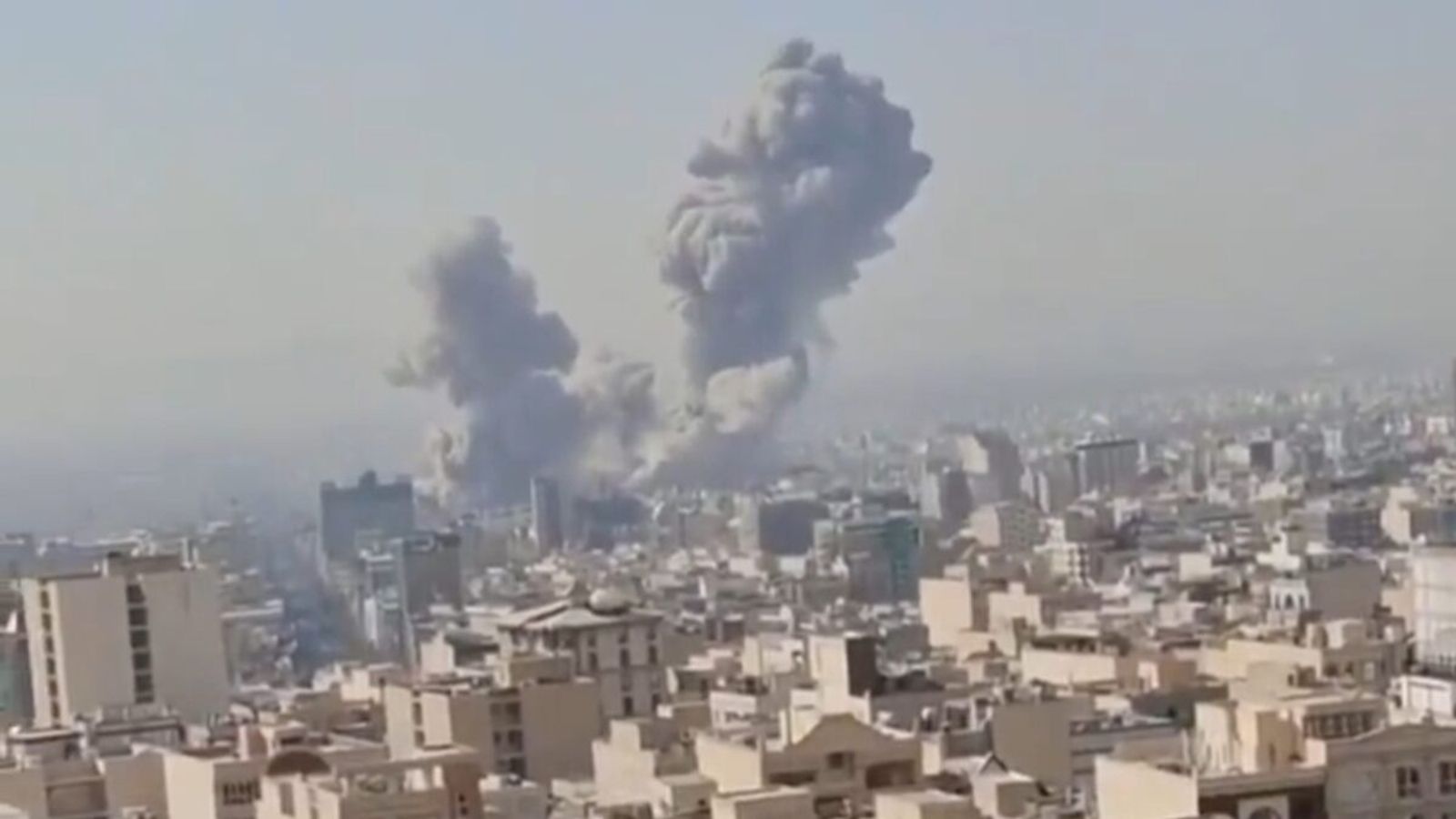
Recent developments in the Middle East indicate that ongoing conflicts are evolving into a symbolic confrontation between two approaches to power: technological superiority and ideological resistance.
The United States is preparing to deploy a third aircraft carrier group to the region, centered on the USS George H.W. Bush, joining the already present USS Abraham Lincoln and USS Gerald R. Ford. Each carrier functions as a floating military base equipped with dozens of fighter jets, advanced defense systems, and intelligence networks. Such deployments serve not only combat purposes but also psychological pressure, deterrence, and shaping regional political dynamics, according to the analysis.
On the other side, Iran's power structure relies more on ideology, resistance, and social mobilization than on superior military technology. Potential conflict would represent a contest between these models: U.S. advantages in satellite networks, digital command systems, fifth-generation fighters, multi-billion-dollar carriers, and global precision strikes versus Iran's asymmetric strategies, ballistic missiles, drones, and proxy networks.
Reports indicate Iran is expending weapons in a calculated, gradual manner to preserve strategic reserves for future stages while escalating attacks incrementally to signal deterrence without losing control. This approach aligns with a narrative of resistance, where conflict tests endurance against a superior power, generating political legitimacy and morale despite technological disparities.
The U.S. deployment sends a multi-layered message to Iran, regional allies, and global audiences, affirming Washington's capacity for rapid power projection. Both sides face prestige stakes: U.S. retreat could damage global credibility, while Iranian concessions might undermine its resistance narrative. This dynamic resembles brinkmanship, with gradual military pressure to gain political leverage without triggering all-out war.
Fundamentally, U.S. power rests on technology, intelligence, and military economy, effective in battles but challenged in prolonged regional conflicts. Iran's strengths lie in flexibility, regional networks, and ideology, suited for attrition warfare.
Read the original reporting at Amu TV →
Reliability assessment
Single source from Amu TV provides concrete, checkable details on U.S. naval deployments, including specific carrier names (George H.W. Bush, Abraham Lincoln, Gerald R. Ford).
The source language mixes facts with framing or advocacy wording. Phrases like 'prestige war' ('جنگ حیثیتی'), 'symbolic confrontation between two different logics of power' ('رویارویی نمادین میان دو منطق متفاوت قدرت'), and 'brinkmanship game' ('بازی لبه پرتگاه') employ dramatic, opinionated framing to portray the conflict as an existential ideological and symbolic battle.
Across the newsrooms
Filed by
Amu TV
Originating
Filed under
International — United States, Iran, Middle East, aircraft carriers, military tensions
Reader supported
Keep Ehtebar running
Every published story uses paid tools to translate reporting, compare sources, extract claims, and produce a clearer read on Afghanistan. Reader support helps keep that work independent.
€5
helps cover daily verification runs
€15
supports a week of source comparison
€50
keeps independent analysis moving