
SOCIETY — March 12, 2026
Woman Describes Harassment and Exclusion During Prayer Time in City
A Hasht-e Subh contributor shares a personal account of verbal harassment by a watchman and exclusion from public spaces during prayer time, amid a male-dominated city environment.
The Ehtebar Desk — originates with Hasht-e Subh — 2 min read
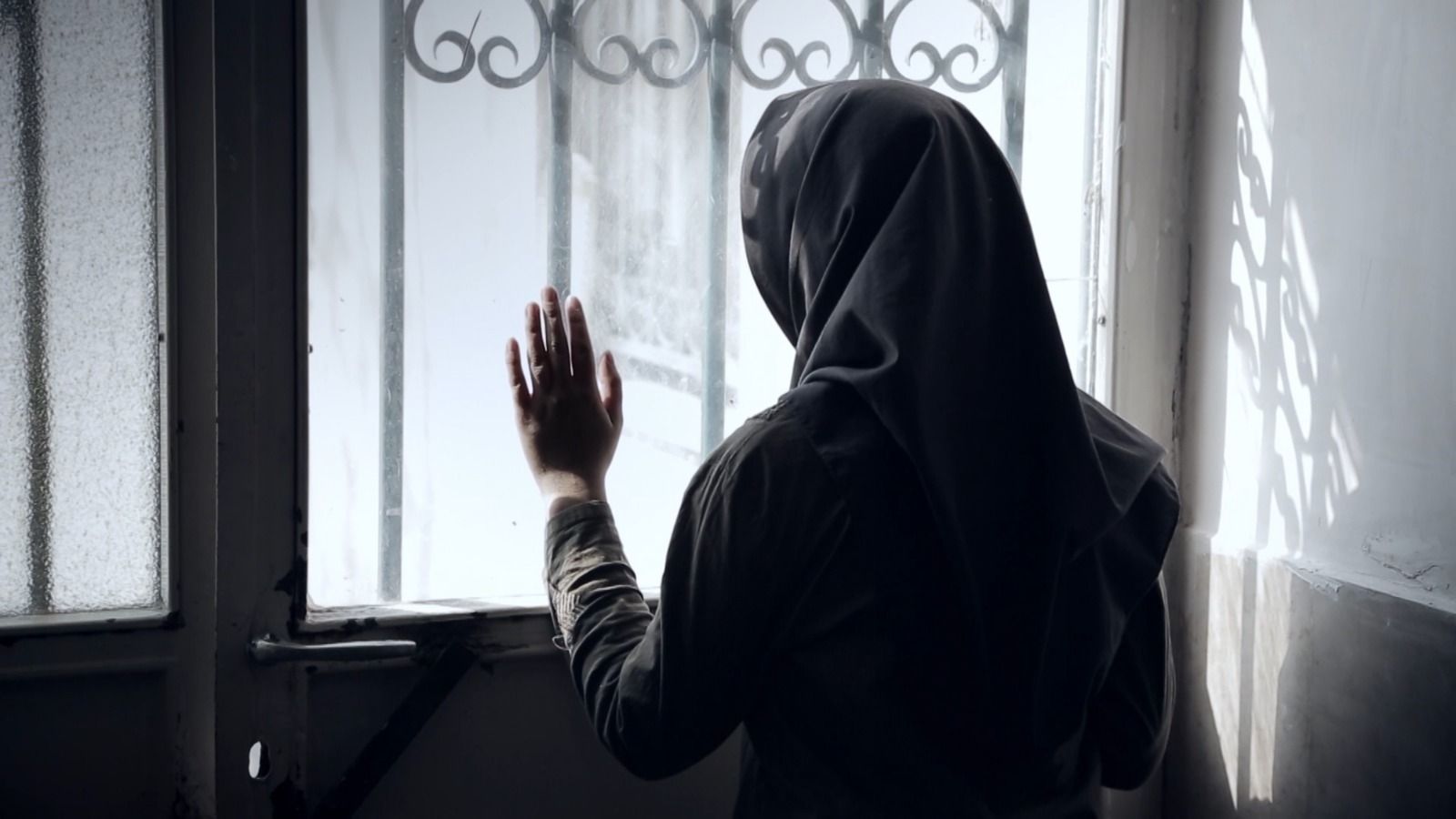
A woman recounted her recent experience venturing into the city alone for the first time in a long while. Upon arriving during midday near prayer time, she described the streets as overwhelmed by crowds of men heading to a local shrine, with few women visible and cafes shuttered. She felt dizzy and insecure amid the throng, navigating carefully to avoid physical contact while clutching her chador.
Reaching her destination, a man in uniform, identified as the site's watchman and holding a broom aggressively, shouted at her in a commanding and harsh tone: "Sister, go quickly, get out, it's prayer time, hey! Hey!" Interpreting this as an insult akin to addressing a thief or pest, she felt a surge of anxiety, anger, and helplessness. She left immediately without completing her task.
Outside, men filled the streets and corridors, lining up for noon prayers at the shrine, blocking pathways. Shops and eateries remained closed. Seeking a moment to compose herself, she found no suitable space, standing instead near street vendors amid passing men. A loudspeaker recited verses warning of death and sudden downfall, which she likened to an apocalyptic scene, exacerbating her distress.
Eventually, the crowds thinned, allowing her to reach the shrine's gate where a few burqa-clad women sat. Messages from her sister helped restore her confidence. As the city normalized with more women appearing, a burqa-wearing woman asked if the gate opened, prompting the author to reply, "It doesn't open to us, auntie," before heading home, still unsettled.
Read the original reporting at Hasht-e Subh →
Reliability assessment
Single-source personal anecdote lacking independent corroboration, named witnesses, or specific checkable details like exact location or time.
The source language mixes facts with framing or advocacy wording. Emotional framing in phrases like 'commanding tone and very harsh pitch as if addressing a thief or animal,' 'body filled with anxiety and anger, sense of helplessness,' and apocalyptic imagery 'felt it was the Day of Judgment'; personal narrative uses subjective distress to evoke broader exclusion.
Across the newsrooms
Filed by
Hasht-e Subh
Originating
Filed under
Society — Women, Public spaces, Harassment, Prayer time, Kabul
Reader supported
Keep Ehtebar running
Every published story uses paid tools to translate reporting, compare sources, extract claims, and produce a clearer read on Afghanistan. Reader support helps keep that work independent.
€5
helps cover daily verification runs
€15
supports a week of source comparison
€50
keeps independent analysis moving
More in Society
Health Officials and Experts Discuss Rise in Black Jaundice Cases in Afghanistan
— Reliable

Discussion on Agricultural Products and Health Services in Samangan Province
— Reliable
WHO Report Cites Taliban Restrictions and Funding Shortfalls as Threats to Health Services in Afghanistan
— Reliable
Afghan officials report returns of families from Pakistan and Iran alongside releases from Pakistani prisons
— Reliable