
SOCIETY — March 3, 2026
Woman Recounts Taliban Enforcers Expelling Family from Guldara Garden
A woman named Shabnam recounted Taliban enforcers ejecting her family from Kabul's Guldara garden for violating women's access bans, highlighting ongoing restrictions on female recreation. The incident underscores family tensions and deepening despair under Taliban rules.
The Ehtebar Desk — originates with Hasht-e Subh — 2 min read
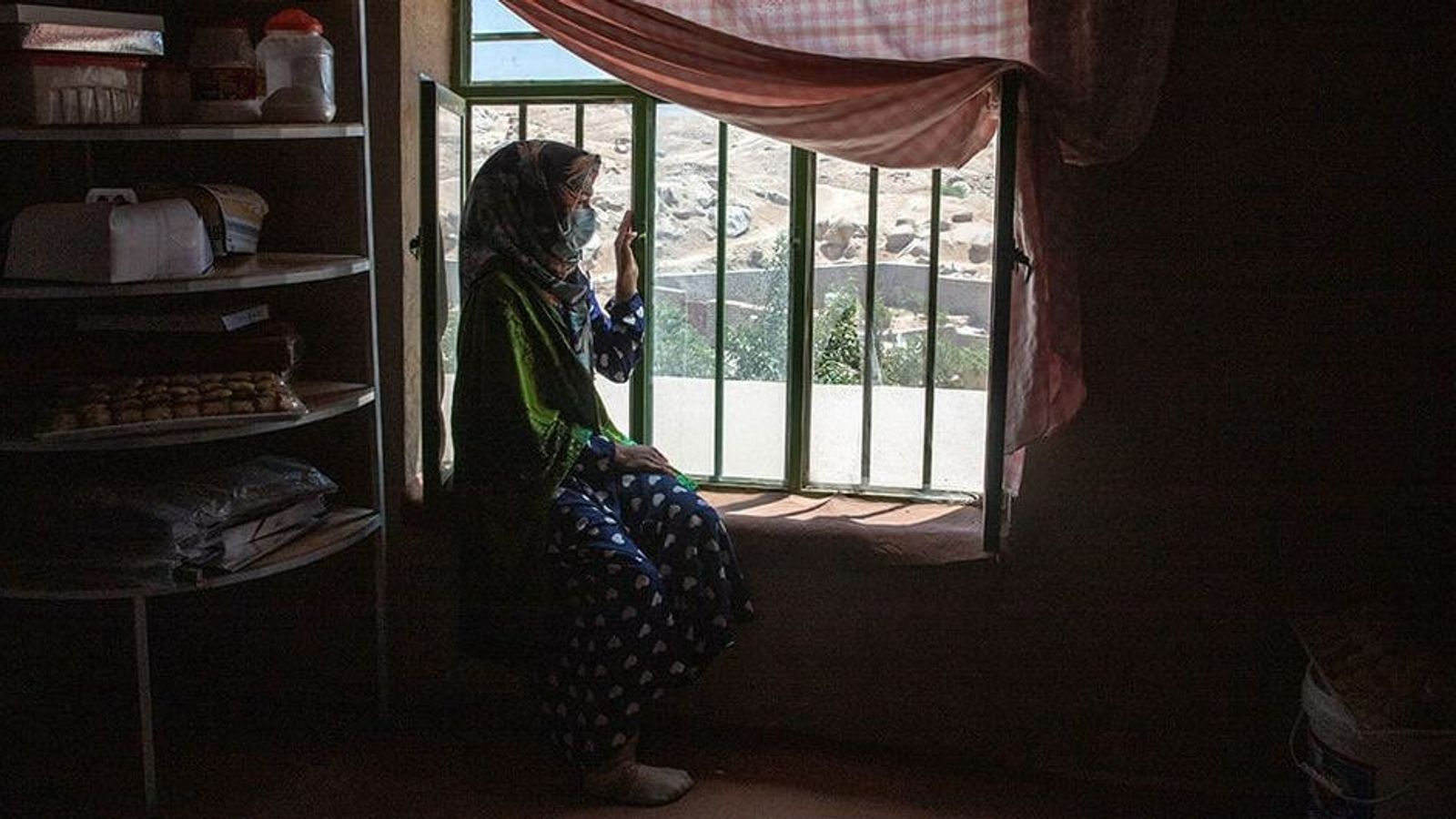
Shabnam, a woman in Afghanistan, described an incident where Taliban members from the Amr bil Maruf and Nahi anil Munkar commission forced her family to leave Guldara public garden shortly after arriving for recreation.
According to Shabnam's account, months after the Taliban's takeover, women have been barred from parks and public spaces. Her family, including her mother, sister, father, and brother, visited the garden mid-week under strict conditions: full hijab, no makeup, no colorful clothing, to comply with Taliban rules. They arrived covered, spread a mat, and placed their feet in a stream to relax. Two groups of Taliban enforcers were present: one seated and another patrolling armed.
Less than 10 minutes after arrival, Taliban members approached aggressively, telling Shabnam's mother to leave immediately, claiming women's entry was forbidden and criticizing their appearance and lack of male guardians. Shabnam's father explained they were with male relatives and sought only brief recreation, but the enforcers refused. The family packed up and left amid stares from onlookers. The enforcers then approached two other families.
Shabnam noted her brother's prior warning and family reproaches afterward. She described broader Taliban restrictions preventing women from education, work, driving, sports, and recreation, contributing to depression. Shabnam expressed despair, questioning endurance in a life without basic freedoms.
Read the original reporting at Hasht-e Subh →
Reliability assessment
Single first-hand witness account (Shabnam) provides concrete details like location (Guldara garden), enforcers present, and sequence of events, but the underlying incident lacks corroboration from independent sources.
The source language tilts sensational, leaning on hyperbole or charged phrasing. 'آفتاب زنان غروب کرد و شب سیاه ما... تاریکتر شد' ('the sun of women has set and our black night has become darker') uses hyperbolic poetic imagery of total darkness; 'زندهگیای که... فکر خودکشی را به سرم آورد' ('life that brings thoughts of suicide to my head') employs extreme emotional despair; rhetorical questions like 'چرا همیشه ما زنان قربانی هستیم؟' ('why are we women always the victims?') frame narrative with advocacy and victimhood manipulation.
Across the newsrooms
Filed by
Hasht-e Subh
Originating
Filed under
Society — Taliban, Guldara garden, women's restrictions, Amr bil Maruf
Reader supported
Keep Ehtebar running
Every published story uses paid tools to translate reporting, compare sources, extract claims, and produce a clearer read on Afghanistan. Reader support helps keep that work independent.
€5
helps cover daily verification runs
€15
supports a week of source comparison
€50
keeps independent analysis moving
More in Society
Health Officials and Experts Discuss Rise in Black Jaundice Cases in Afghanistan
— Reliable

Discussion on Agricultural Products and Health Services in Samangan Province
— Reliable
WHO Report Cites Taliban Restrictions and Funding Shortfalls as Threats to Health Services in Afghanistan
— Reliable
Afghan officials report returns of families from Pakistan and Iran alongside releases from Pakistani prisons
— Reliable