
ECONOMY — March 2, 2026
Afghan Chamber of Commerce: Trade and Transit with Iran Disrupted
Afghanistan's trade routes via Iran's Chabahar port are disrupted amid conflicts, exacerbating economic woes after months of closed Pakistan borders, with rising food and medicine prices reported.
The Ehtebar Desk — originates with Amu TV — corroborated by Hasht-e Subh — 2 min read
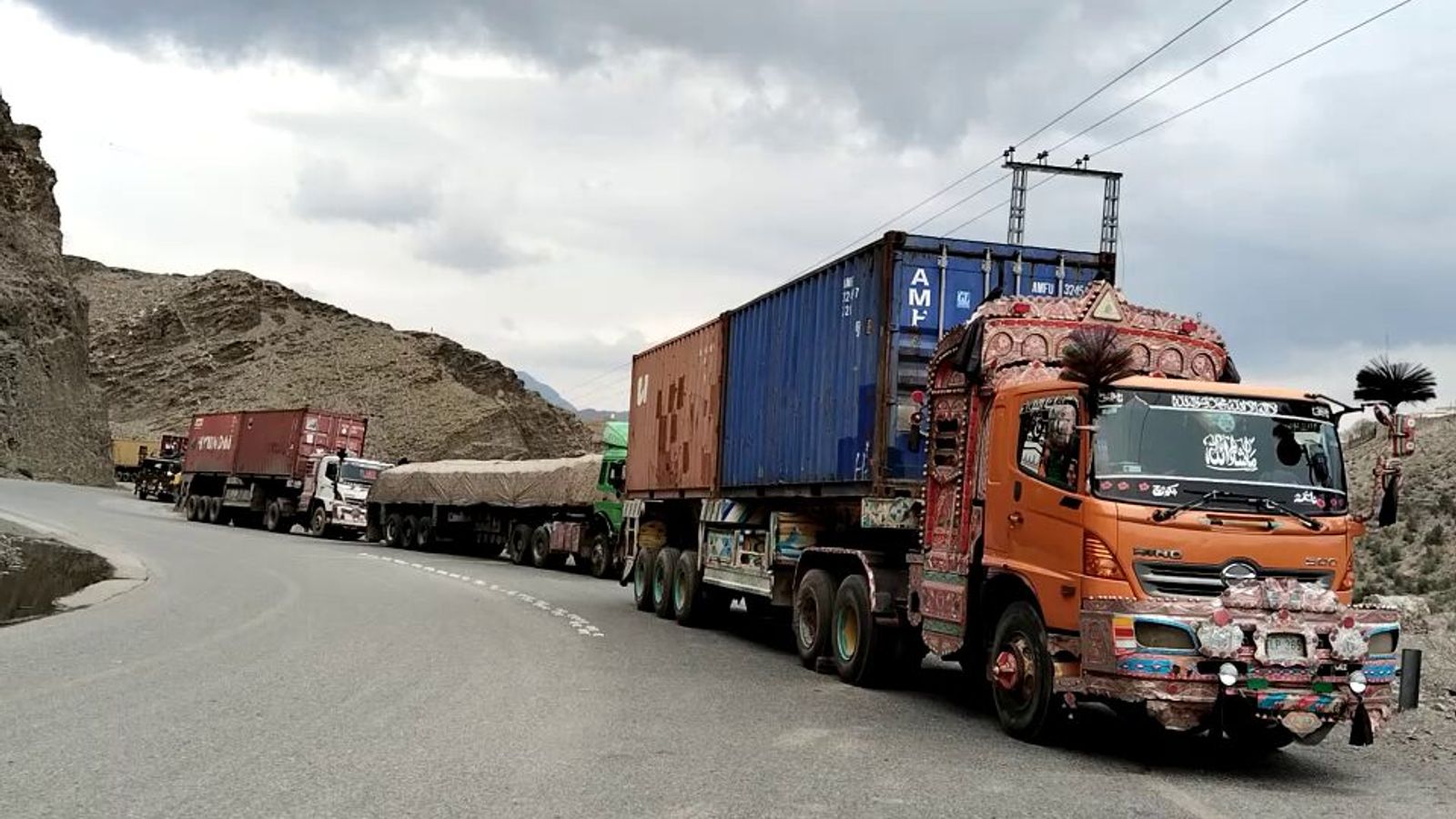
The Afghan Chamber of Commerce states that trade and transit with Iran have been disrupted amid ongoing conflicts there, following months of closed economic crossings with Pakistan due to tensions between the Taliban and the Pakistani government.
Chamber officials note that with the Karachi and Gwadar ports closed to Afghan transit and commercial goods, Chabahar had served as a viable alternative, but now Afghan goods are stuck there due to severe disruptions. Annual trade volume through these routes exceeded $3 billion, primarily imports of construction materials and fuels such as gas.
Khanjan Alkuzi, a member of the Chamber's leadership board, said: "Our ships are in Chabahar port. There is heavy congestion. Loading is not happening. It's stopped. There are problems. We hope it resolves soon."
Residents express concerns over rising food prices. Local sources report recent increases, with current market prices in the country at 4,000 to 4,400 afghanis for 3.5 sir of rice, 1,550 afghanis for a bag of flour, and 1,850 to 1,900 afghanis for a pack of oil.
One Kabul resident said: "I had land in the homeland, sold it to buy this car, but there's no business. We haven't earned a single afghani yet." Another added: "We earn 200 to 300 afghanis daily. We put 80 to 90 afghanis toward installments for flour and other food items. The rest we use to buy vegetables. We buy whatever is cheapest."
Informed sources emphasize that the Taliban's incorrect policies have placed the population in this difficult economic situation. Economic experts warn that losing access to multiple trade crossings severely damages the economy.
University professor Syed Masoud said: "We lost Karachi. We lost Gwadar due to Pakistan's policies. We relied on Chabahar. This Chabahar is an Indian project that could serve Central Asia and Eastern Europe via Indians. Indians suffered losses, and we suffered much greater losses. With Chabahar closed, our route to open waters is also closed."
Additionally, after the Taliban halted drug imports from Pakistan, medicine prices have risen. Sources in Herat told Amu TV that dozens of patients needing kidney dialysis are in critical condition, waiting for days due to shortages of dialysis materials.
Read the original reporting at Amu TV →
Reliability assessment
Key facts corroborated by two independent outlets (Amu TV, Hasht-e Subh) reporting direct statements from Afghan Chamber of Commerce officials on trade disruptions via Chabahar port amid Iran conflicts and prior Pakistan border closures.
The source language mixes facts with framing or advocacy wording. "Taliban's incorrect policies" (سیاستهای نادرست طالبان) attributes economic hardship directly to Taliban as opinionated blame; "placed people in this difficult economic situation" frames public suffering with emotional advocacy; expert commentary like "we suffered much greater losses" adds charged interpretation of policy failures.
Across the newsrooms
Filed by 2 outlets
Amu TV
Originating
Hasht-e Subh
Filed under
Economy — Afghan Chamber of Commerce, Chabahar port, Iran conflicts, food prices, Taliban
Reader supported
Keep Ehtebar running
Every published story uses paid tools to translate reporting, compare sources, extract claims, and produce a clearer read on Afghanistan. Reader support helps keep that work independent.
€5
helps cover daily verification runs
€15
supports a week of source comparison
€50
keeps independent analysis moving
More in Economy
Economic Commission Approves 37 Domestic Standards and 12 Testing Methods
— Reliable

Taliban Governor Says Around 700 Mines Under Extraction in Panjshir
— Reliable
Daily Production at Baghlan's Ghori Cement Factory Increases to 700 Tons
— Reliable
Two Irrigation and Flood-Prevention Projects Completed in Zabul
— Reliable