INTERNATIONAL — February 13, 2026
Afghanistan Absent from Munich Security Conference 2026; Taliban Accused of Excluding Country from Global Forums
Afghanistan lacks representatives at the 2026 Munich Security Conference, with a former official blaming the Taliban for excluding the country from global forums amid security and returnee crises. UNHCR warns of deepening humanitarian woes from mass returns, while Taliban governors discuss military units and returnee support.
The Ehtebar Desk — originates with Afghanistan International — 2 min read
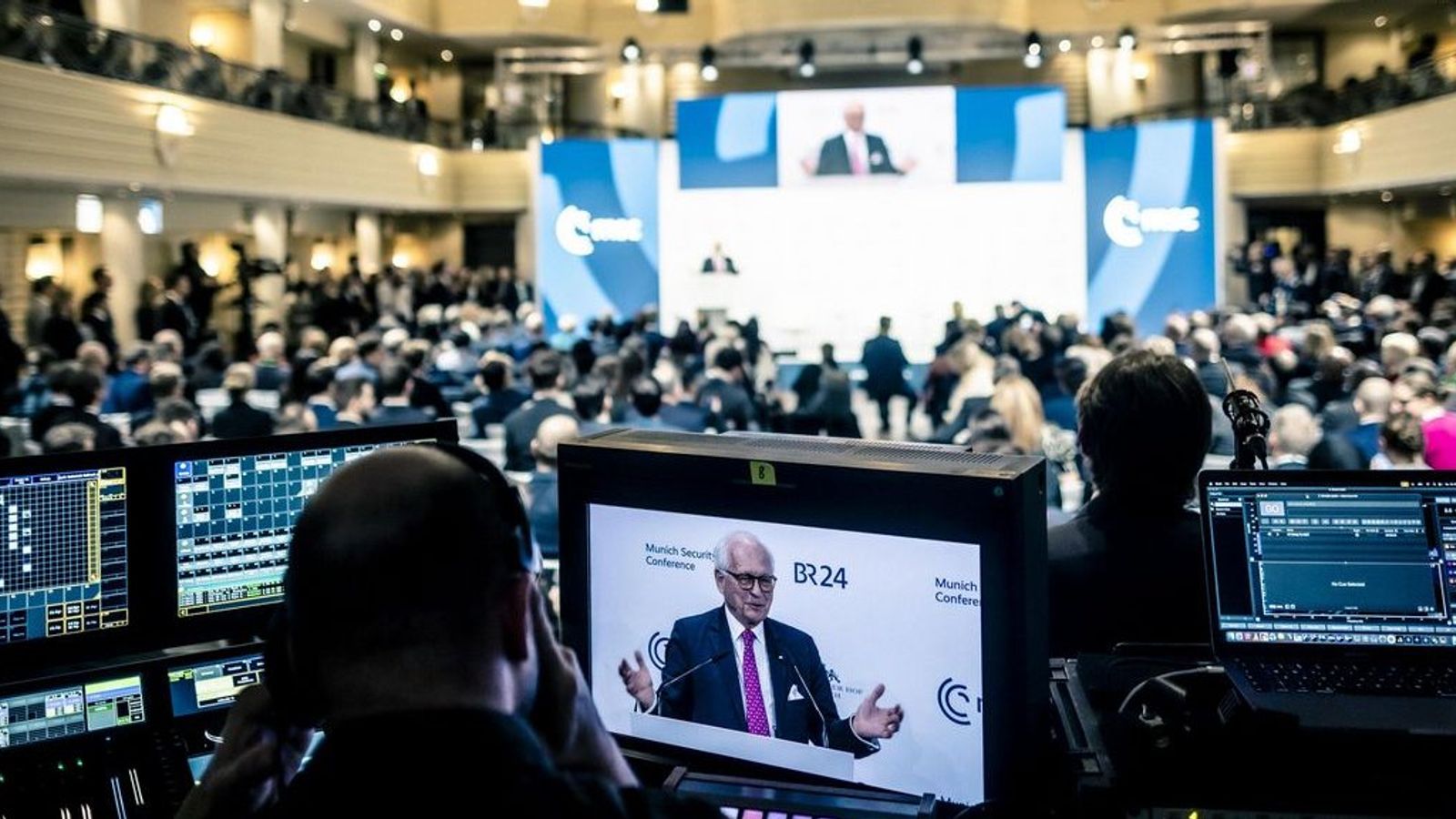
Afghanistan has no representatives at the Munich Security Conference 2026, which began on Friday, February 13, and continues until Sunday. The gathering includes dozens of presidents, prime ministers, foreign and defense ministers, and representatives from international organizations of about 120 countries.
A former Afghan official, speaking on condition of anonymity to Afghanistan International, said: "The Taliban has excluded Afghanistan from international forums with unprecedented effectiveness." Afghanistan had an active presence at the conference over the past 20 years. Last year, former parliamentarian Fawzia Koofi spoke on human rights, terrorism, and women's status. Previously, former President Ashraf Ghani and former Vice President Amrullah Saleh represented the previous Afghan government.
The absence comes amid rising concerns over security threats from Afghan soil. A recent UN Security Council report states that Al-Qaeda and other extremist groups have become active in Afghanistan, with leaders returning and reactivating camps and military centers. ISIS-Khorasan, Tehrik-i-Taliban Pakistan, Uyghurs, and Central Asian Islamic movements also threaten regional security.
Iran was not invited to the conference, while Pakistan sent a high-level delegation led by Army Chief Marshal Asim Munir and ISI head General Asim Malik.
Separately, the UNHCR requires $216 million to support Afghan returnees and internally displaced persons, with only 8% funded so far. Over 150,000 Afghan migrants have returned from neighboring countries since the start of the year. UNHCR Representative in Afghanistan Arefat Jamal said in a Geneva press conference on Friday that the speed and scale of these returns have plunged Afghanistan deeper into crisis.
Afghanistan faces a worsening hunger crisis, exacerbated by expulsions from Iran and Pakistan, reduced foreign aid, and economic woes. Jamal expressed concern that the shock of millions returning—about 12% of the population—has pushed aid efforts to the brink of incapacity. A World Bank report notes that rapid population growth from returns caused a 4% drop in per capita GDP in 2025.
A UNHCR survey shows over half of returnee families lack identity documents, more than 90% live on less than $5 a day, 5% plan to leave again, and over 10% report relatives or community members departing post-return.
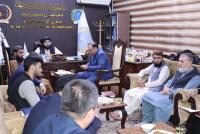
Meanwhile, the Taliban governor's office in Balkh announced a coordination meeting of northwest zone governors in Maimana, Faryab province, on Friday. Topics included creating military units, returnee issues, implementing Hibatullah Akhundzada's orders, and enforcing the Amr bil Maruf law. Per Akhundzada's directive, such units will be established in seven zones, with coordination meetings held in Kabul, Balkh, Herat, Nangarhar, Kunduz, Paktia, and Kandahar. The office provided no further details on the units' purpose or mechanism. The meeting also decided that provincial Hajj and Endowments departments will provide Sharia-based religious education to returnees.
Read the original reporting at Afghanistan International →
Reliability assessment
Single source provides concrete, checkable details including named individuals (Fawzia Koofi, Ashraf Ghani, Amrullah Saleh, Arefat Jamal, Asim Munir), specific event dates/locations, citations to UNSC/UNHCR/World Bank reports, and direct Taliban governor's office statement; not high-stakes/volatile claims.
Across the newsrooms
Filed by
Afghanistan International
Originating
Filed under
International — Munich Security Conference, Taliban, UNHCR, Hibatullah Akhundzada, Afghan returnees
Reader supported
Keep Ehtebar running
Every published story uses paid tools to translate reporting, compare sources, extract claims, and produce a clearer read on Afghanistan. Reader support helps keep that work independent.
€5
helps cover daily verification runs
€15
supports a week of source comparison
€50
keeps independent analysis moving