INTERNATIONAL — April 30, 2026
U.S. Demands Iranian Surrender Amid Naval Blockade and Rising Oil Prices
U.S. President Donald Trump has demanded Iran's surrender following a successful naval blockade, while Iranian officials and the IRGC reject the pressure and warn of retaliation. The standoff has driven oil prices past $120 per barrel and expanded into Lebanon, prompting UN warnings of severe hunger.
The Ehtebar Desk — originates with Amu TV — 2 min read

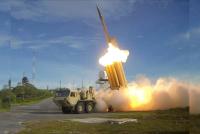
U.S. President Donald Trump has declared the American naval blockade of Iranian ports successful and formally called for Tehran’s surrender. The ongoing standoff in the Strait of Hormuz has disrupted global energy markets, driving crude prices above $120 per barrel and pushing U.S. gasoline costs to a four-year high.
Iranian leadership has dismissed the economic pressure. Parliament Speaker Mohammad Bagher Ghalibaf stated that the American measures have only succeeded in raising global oil prices. The Islamic Revolutionary Guard Corps issued a warning of unprecedented retaliatory actions should the naval blockade persist.
Financial and diplomatic developments continue to unfold alongside the military operations. The Pentagon reported spending approximately $25 billion on the conflict with Iran and is currently requesting a $1.5 trillion defense budget. The White House confirmed it is reviewing an Iranian peace proposal concerning the Strait of Hormuz, although domestic media reports indicate the president has already rejected the plan.
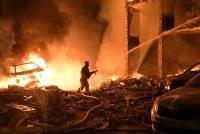
The conflict has also intensified in neighboring Lebanon, where Israeli forces are conducting strikes in coordination with operations against Iran. Three individuals were reported killed in Daba. Iranian officials maintain that any potential ceasefire must simultaneously address both the Iranian and Lebanese fronts. Amid the escalation, a United Nations report warned that approximately 1.2 million people in Lebanon are currently facing severe hunger due to the disruption of supply chains and ongoing hostilities.
Read the original reporting at Amu TV →
Reliability assessment
Single-source report, but relies on direct, on-record attributions to named high-level officials and institutions (Trump, Ghalibaf, IRGC, Pentagon, White House, UN) with concrete figures and locations. Per verification guidelines, statements by named public figures and official bodies are verifiable as reported regardless of topic sensitivity. Cross-source corroboration is absent due to only one outlet provided, but the strength of attribution meets the reliable threshold.
The source language reads straight.
Across the newsrooms
Filed by
Amu TV
Originating
Reported straight
Reported straight
Filed under
International — United States, Iran, Donald Trump, Strait of Hormuz, Lebanon
Reader supported
Keep Ehtebar running
Every published story uses paid tools to translate reporting, compare sources, extract claims, and produce a clearer read on Afghanistan. Reader support helps keep that work independent.
€5
helps cover daily verification runs
€15
supports a week of source comparison
€50
keeps independent analysis moving