INTERNATIONAL — March 31, 2026
Afghanistan Remains on US High-Risk Countries List for Asylum Applications
The US Department of Homeland Security confirmed Afghanistan remains on its high-risk countries list for asylum applications, maintaining maximum vetting while easing restrictions for low-risk nations. The policy follows a November 2025 attack by an Afghan asylee on US National Guard members, prompting stricter measures under the Trump administration.
The Ehtebar Desk — originates with Afghanistan International — corroborated by Amu TV — 2 min read
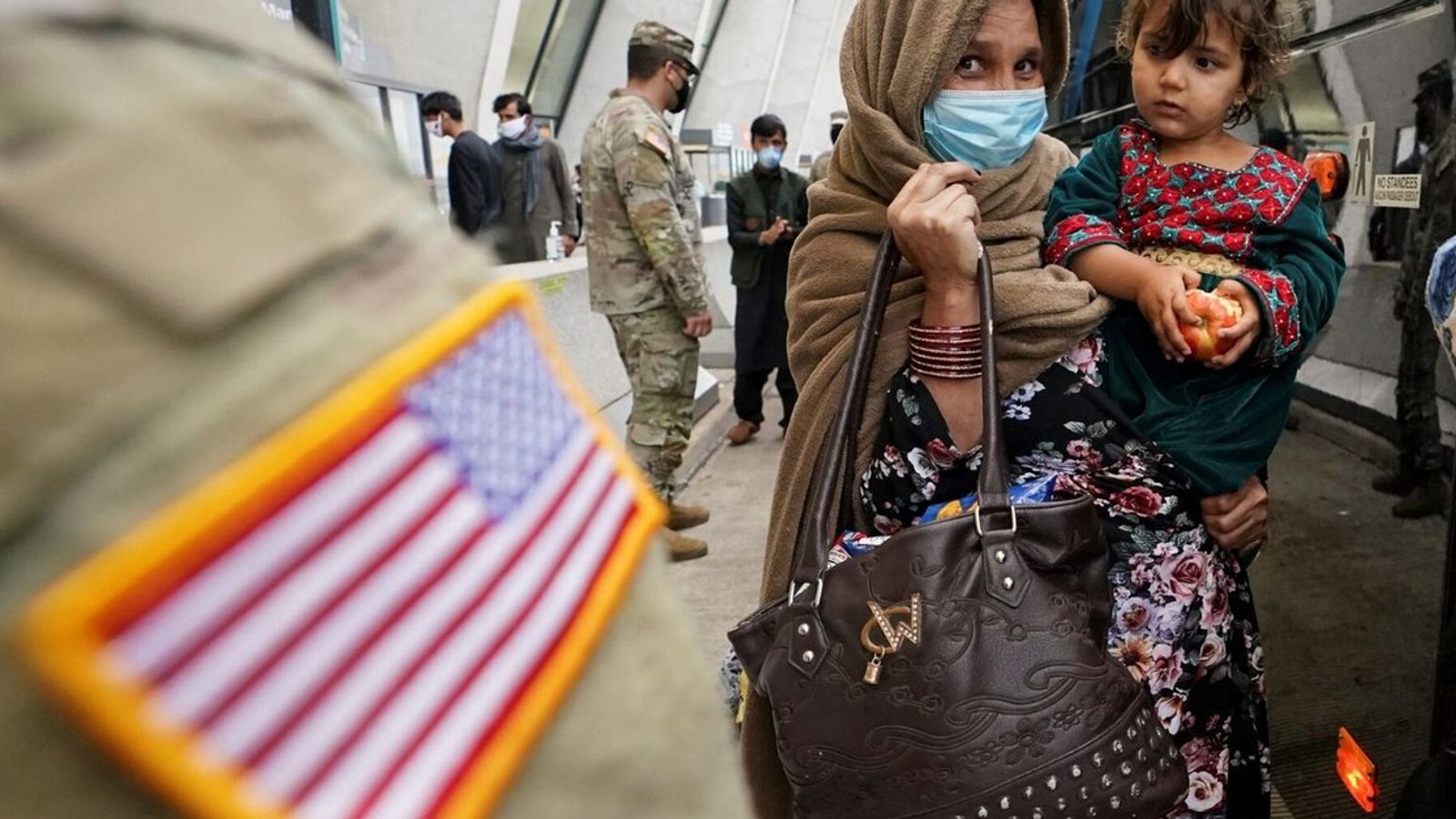
The US Department of Homeland Security (DHS) has announced that Afghanistan remains on the list of high-risk countries for asylum and migration applications, subjecting its citizens to maximum security vetting with no changes to the process.
DHS stated that restrictions have been lifted or reduced for asylum applications from low-risk or non-high-risk countries, allowing a resumption of reviews to redirect resources toward higher-security cases. The agency warned of weaknesses in previous vetting processes that posed risks to public safety.
The decision follows a November 2025 incident in Washington where an Afghan asylee killed one National Guard soldier and wounded another. Afghanistan International identified the attacker as Rahmanullah Laknwal. Both outlets reported that the attack prompted the Trump administration to impose stricter policies on Afghan immigrants and asylees, including halting processing, re-reviewing files and restricting Special Immigrant Visas (SIVs).
Afghanistan International reported the high-risk list includes about 39 countries such as Yemen, Syria, Mali, Nigeria, Somalia and Sierra Leone. It also highlighted harsh impacts on Afghan migrants, including stopped green cards, increased detentions, deportations and uncertainty for former US collaborators awaiting SIVs. Amu TV noted the policy shift focuses resources amid ongoing restrictions for high-risk nations.
Read the original reporting at Afghanistan International →
Reliability assessment
2 independent outlets corroborate core DHS announcement that Afghanistan remains on high-risk list, vetting unchanged, restrictions eased for non-high-risk countries; both confirm Nov 2025 Afghan asylee attack as trigger for Trump policies; minor detail variations (names, list, impacts) do not undermine event confirmation
The source language mixes facts with framing or advocacy wording. Afghanistan International: "harsh treatment" (برخورد سختگیرانه) uses judgmental language implying excessive severity; "complete uncertainty" (بیسرنوشتی کامل) and "stuck in long-term limbo" (بلاتکلیفی طولانیمدت) employ emotional framing to evoke sympathy for Afghan migrants' plight.
Independent web corroboration
A separate web search returned 6 matching reports. A selection:
- Uscis: Green Card, US citizenship update: USCIS says prior vetting was inadequate, immigration ban under constant review - The Times of Indiatimesofindia.indiatimes.com
The administration is known for its anti-immigration sentiment, but the DC shooting in November 2025, where the shooter was an Afghan refugee, triggered an unprecedented ban on a host of countries. The administration announced it would not allow any immigration requests for high-risk countries.
Across the newsrooms
Where reports agree
- Afghanistan remains on US high-risk countries list
- DHS confirms unchanged maximum security vetting
- Restrictions eased for non-high-risk countries
- November 2025 Afghan asylee incident in Washington killed one National Guard member and wounded another
- Trump administration imposed stricter policies post-incident
- Suspension lifted for low-risk country asylum cases
- DHS warnings on past review weaknesses
Where reports differ
- Specific other countries on high-risk list (e.g., Mali, Nigeria) only in Afghanistan International
- Attacker named as Rahmanullah Laknwal only in Afghanistan International
- Detailed negative impacts on Afghan migrants/SIV (e.g., detentions, uncertainty) emphasized in Afghanistan International; Amu TV notes limited overall impact
Filed by 2 outlets
Afghanistan International
Originating
Framed
Framed
Amu TV
Reported straight
Reported straight
Filed under
International — US DHS, Afghan refugees, high-risk countries, Trump administration, SIV program
Reader supported
Keep Ehtebar running
Every published story uses paid tools to translate reporting, compare sources, extract claims, and produce a clearer read on Afghanistan. Reader support helps keep that work independent.
€5
helps cover daily verification runs
€15
supports a week of source comparison
€50
keeps independent analysis moving