
SOCIETY — March 23, 2026
Afghanistan's New Academic Year Begins Without Girls Above Sixth Grade for Fifth Year
The new academic year started in central and cold provinces of Afghanistan without girls above sixth grade, the fifth year in a row under Taliban restrictions. UN Special Rapporteur Richard Bennett and affected girls urged an end to the bans amid warnings of long-term harms.
The Ehtebar Desk — originates with Amu TV — 2 min read
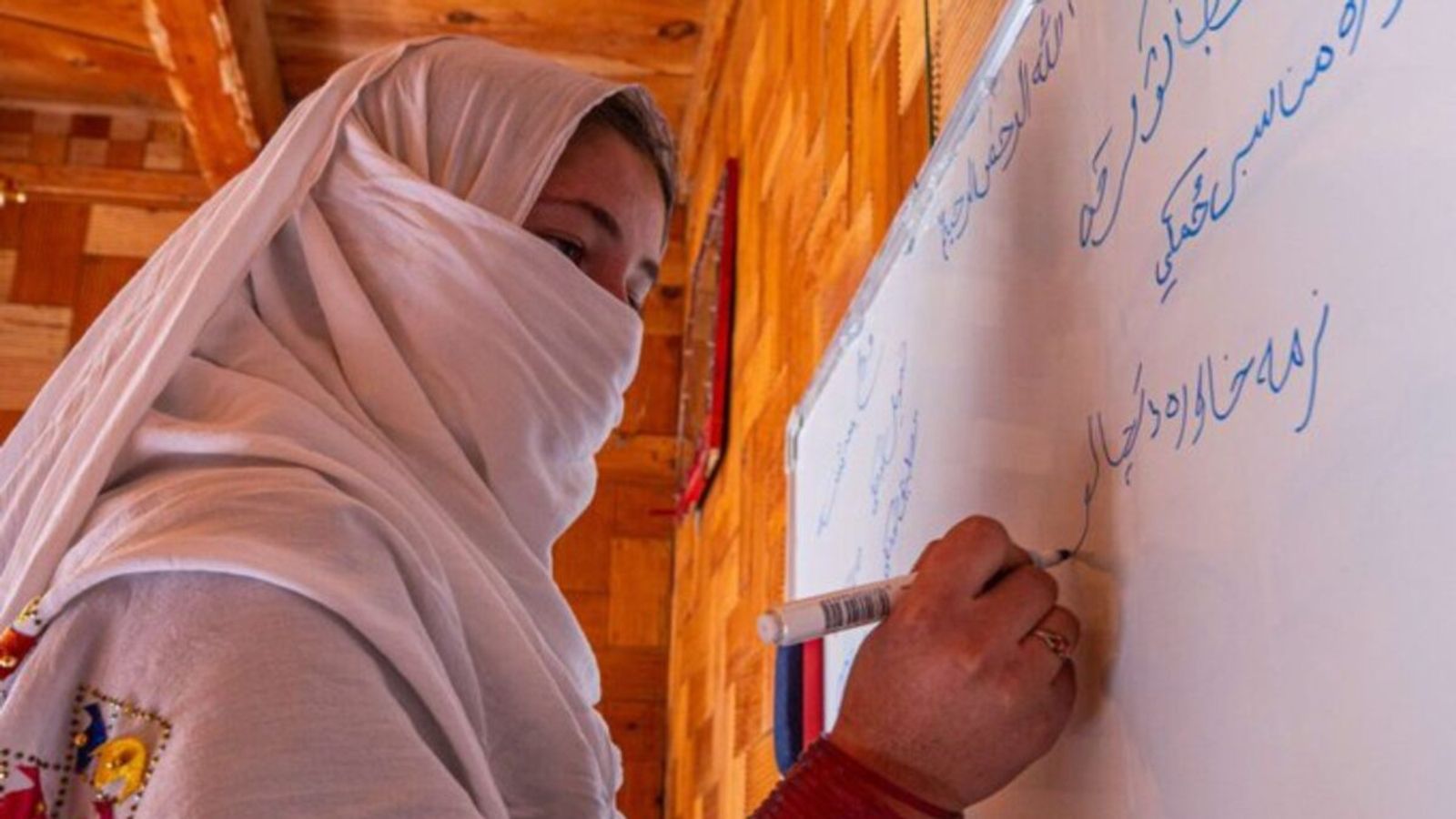
The new academic year began on Monday in central and cold provinces of Afghanistan without girls above sixth grade attending school, marking the fifth consecutive year of such restrictions.
Girls expressed concern over the ongoing situation and urged the Taliban to end the policies preventing their return to schools. They also called on the international community to apply greater pressure to ensure girls' right to education. Arzoo, a seventh-grade student affected for the first time this year, questioned why her right to school had been taken away. Sonam, kept out of school for four years and once aspiring to be a doctor, said she has given up her dreams.
Richard Bennett, the UN Special Rapporteur on Human Rights in Afghanistan, described the situation as unacceptable and called for the Taliban to lift restrictions on girls above sixth grade continuing education and on women attending university.
Nearly four years have passed since girls stopped attending university and five years since those above sixth grade were barred from schools. The UN Children's Fund has reported that more than 2.2 million girls in Afghanistan have been deprived of schooling due to these restrictions.
Human rights activists warned that the policies could lead to further violations of women's rights, including increased forced marriages, and have long-term negative impacts on the country's development and progress.
Read the original reporting at Amu TV →
Reliability assessment
Single source with direct, on-record attribution from named UN Special Rapporteur Richard Bennett (concrete quotes) and reference to UNICEF data; core event of ongoing education ban is concretely detailed.
The source language mixes facts with framing or advocacy wording. Amu TV: 'Her eyes are full of questions that have no answer: why has her right to go to school been taken away?', 'continuation of a bitter wait', and 'given up all her dreams' employ emotional storytelling, anthropomorphic descriptions of longing, and personal tragedy to evoke sympathy and frame the policy as an unjust deprivation, blending reportage with advocacy.
Across the newsrooms
Filed by
Amu TV
Originating
Framed
Framed
Filed under
Society — Taliban, girls' education, Richard Bennett, UN Special Rapporteur, Afghanistan schools
Reader supported
Keep Ehtebar running
Every published story uses paid tools to translate reporting, compare sources, extract claims, and produce a clearer read on Afghanistan. Reader support helps keep that work independent.
€5
helps cover daily verification runs
€15
supports a week of source comparison
€50
keeps independent analysis moving
More in Society
Health Officials and Experts Discuss Rise in Black Jaundice Cases in Afghanistan
— Reliable

Discussion on Agricultural Products and Health Services in Samangan Province
— Reliable
WHO Report Cites Taliban Restrictions and Funding Shortfalls as Threats to Health Services in Afghanistan
— Reliable
Afghan officials report returns of families from Pakistan and Iran alongside releases from Pakistani prisons
— Reliable