
SOCIETY — March 6, 2026
Amnesty International Warns Taliban Penal Code Principles Target Women and Minorities With Harsher Punishments
Amnesty International warned that Taliban leader Hibatullah Akhundzada's approved 'Principles of Criminal Procedure for Courts' could worsen discrimination against women and minorities through vague, harsh provisions on domestic violence, movement, and punishments. The analysis highlights risks of arbitrary enforcement, torture, and expanded death penalties.
The Ehtebar Desk — originates with Amu TV — 2 min read
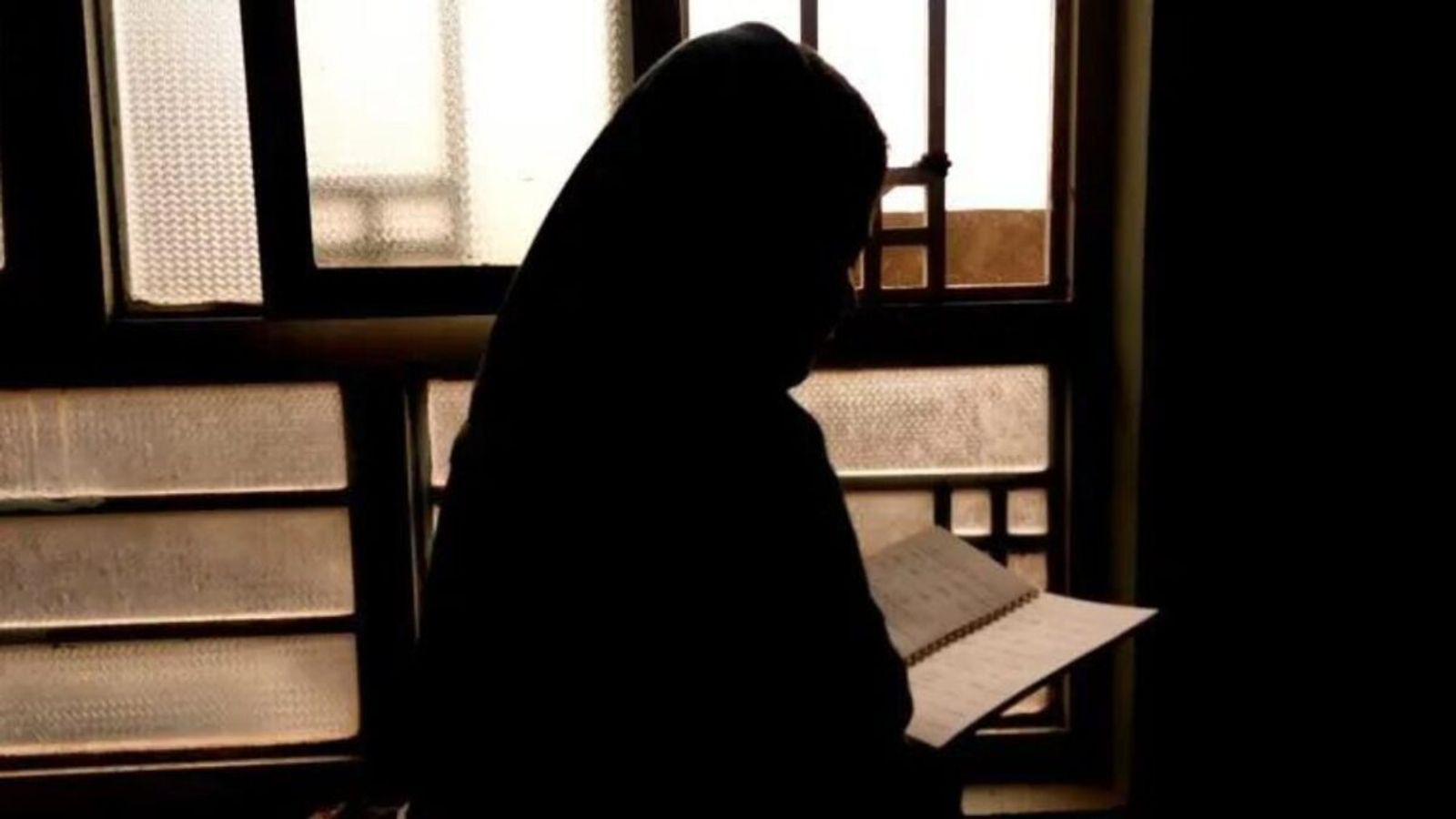
Amnesty International warned in a recent legal analysis that the 'Principles of Criminal Procedure for Courts,' recently approved by Taliban leader Hibatullah Akhundzada, could intensify violence and discrimination against women and minority groups in Afghanistan, with broad implications for human rights.
The document, confirmed by Akhundzada on Jan. 5 and disseminated by the Taliban's Supreme Court to relevant courts and offices on Jan. 8, sets new punishments for a wide range of crimes, many defined vaguely and broadly, potentially enabling arbitrary enforcement.
Key concerns include new restrictions on women's rights. Domestic violence is criminalized only if it results in bone fractures or visible injuries, a threshold Amnesty said overlooks many cases and denies women legal protections. Women who repeatedly visit family members without their husband's permission and defy court orders to return home could face up to three months in prison, further limiting their freedom of movement and independence.
The principles impose harsher penalties for certain religious infractions, with punishments varying by social status, which Amnesty said could institutionalize social discrimination in the judiciary.
Samriti Singh, Amnesty International's South Asia director, stated: 'This law makes a repressive legal system even harsher, with women and girls among the most vulnerable who will suffer.' She added that strict religious observance rules and class-based penalties exacerbate discrimination against society's most deprived.
Other issues include provisions enabling torture and corporal punishments like flogging for numerous crimes, expanded scope for death penalties, and vague definitions allowing Taliban judges and officials to interpret and apply laws arbitrarily, undermining fair trials.
Amnesty also highlighted clauses that may recognize ownership over individuals, raising slavery concerns.
The organization called on the Taliban to repeal or revise the principles to align with international human rights standards and urged the international community to condemn the law and pressure the Taliban to end systematic rights violations. Amnesty said it contacted Taliban officials for the official document but received no response.
Read the original reporting at Amu TV →
Reliability assessment
Single source citing Amnesty International's direct legal analysis of the document, with named spokesperson quote (Samriti Singh), specific provisions, approval dates (Jan. 5 and 8), and contact attempts with Taliban officials; concrete, checkable details.
The source language mixes facts with framing or advocacy wording. Phrases like 'repressive legal system even harsher' (from Singh quote), 'intensify violence and discrimination,' and 'targets the most deprived' convey emotional advocacy and value judgments in Amnesty's analysis relayed by the source.
Across the newsrooms
Filed by
Amu TV
Originating
Filed under
Society — Amnesty International, Taliban, Hibatullah Akhundzada, women's rights, penal code
Reader supported
Keep Ehtebar running
Every published story uses paid tools to translate reporting, compare sources, extract claims, and produce a clearer read on Afghanistan. Reader support helps keep that work independent.
€5
helps cover daily verification runs
€15
supports a week of source comparison
€50
keeps independent analysis moving
More in Society
Health Officials and Experts Discuss Rise in Black Jaundice Cases in Afghanistan
— Reliable
Discussion on Agricultural Products and Health Services in Samangan Province
— Reliable
WHO Report Cites Taliban Restrictions and Funding Shortfalls as Threats to Health Services in Afghanistan
— Reliable
Afghan officials report returns of families from Pakistan and Iran alongside releases from Pakistani prisons
— Reliable