
SOCIETY — June 14, 2026
Dozens of brick kilns constructed on farmlands in Herat's Zindajan district
Landowners leased plots for three to five years seeking profits, but smoke and dust from the kilns have destroyed crops, spread plant disease, and threatened saffron, figs, and silkworm breeding.
The Ehtebar Desk — originates with Amu TV — 2 min read
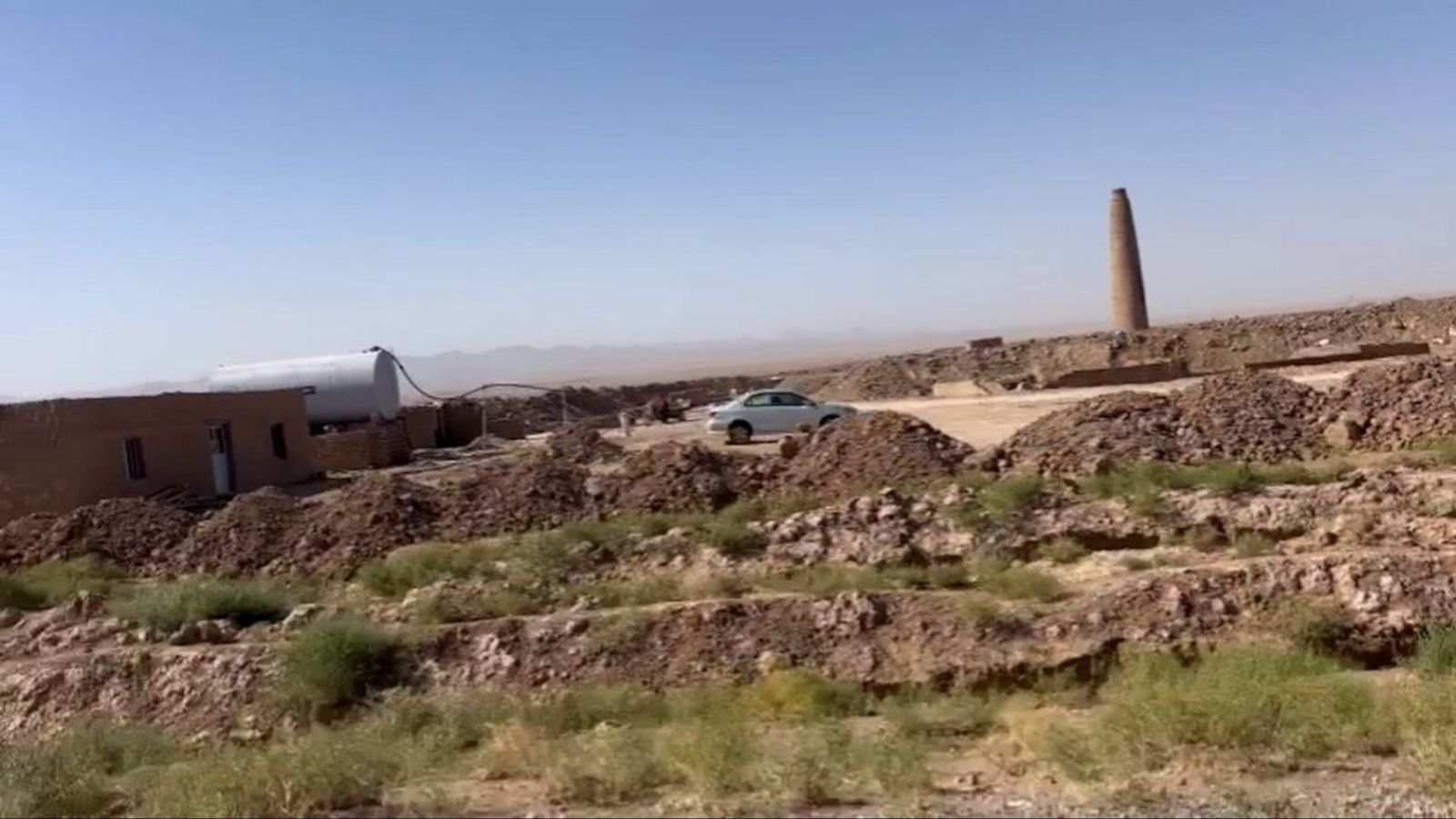
Dozens of brick kilns have been constructed on fertile farmlands in the Zindajan district of Herat province. These facilities are located 7 to 10 kilometers from the district center. Landowners have entered into lease agreements with kiln operators, renting out their agricultural plots for durations of three to five years in exchange for financial compensation.
The presence of these kilns has led to substantial negative effects on the local agricultural sector. Emissions of smoke and dust from the facilities have resulted in the destruction of crops and the proliferation of plant diseases, including the condition referred to as 'Shol' disease. Furthermore, the operations have contributed to the loss of natural greenery across the region. Damage has also been reported to important local products such as saffron, figs, and silkworms.
Many of the brick kilns were established during the course of the previous year. The area around Zindajan is recognized for its potential in growing saffron and figs as well as for breeding silkworms. These economic activities face threats from the ongoing kiln operations.
Experts in agriculture have issued warnings regarding the environmental impact. They state that persistent activity at the kilns could cause permanent harm to the fertility of the soil and the surrounding environment. Residents have additionally reported instances of bullying by operators who are not from the local area.
Read the original reporting at Amu TV →
Reliability assessment
Single source provides direct, on-the-ground reporting with named local residents (Mohammad Musa, Ghulam Saeed), specific locations, distances, timelines, and concrete details about land leasing and crop impacts.
The source language mixes facts with framing or advocacy wording. Amu TV: "destroyed", "death of the greenery and fertility", "irreparable consequences" — these phrases emotionally frame the kilns as actively destructive and catastrophic rather than neutrally reporting impacts.
Across the newsrooms
Filed by
Amu TV
Originating
Framed
Framed
Filed under
Society — Herat, Zindajan, brick kilns, agricultural land, environment
Reader supported
Keep Ehtebar running
Every published story uses paid tools to translate reporting, compare sources, extract claims, and produce a clearer read on Afghanistan. Reader support helps keep that work independent.
€5
helps cover daily verification runs
€15
supports a week of source comparison
€50
keeps independent analysis moving
More in Society

Health Officials and Experts Discuss Rise in Black Jaundice Cases in Afghanistan
— Reliable
Discussion on Agricultural Products and Health Services in Samangan Province
— Reliable
WHO Report Cites Taliban Restrictions and Funding Shortfalls as Threats to Health Services in Afghanistan
— Reliable
Afghan officials report returns of families from Pakistan and Iran alongside releases from Pakistani prisons
— Reliable