INTERNATIONAL — March 26, 2026
European Union Allocates 250,000 Euros in Humanitarian Aid for Vulnerable Afghans
The European Union has allocated 250,000 euros in humanitarian aid to assist around 70,000 vulnerable people in eastern Afghanistan displaced by conflicts and earthquakes. The funding supports the Afghan Red Crescent in providing food, cash, shelter, health care and sanitation.
The Ehtebar Desk — originates with Pajhwok — corroborated by Hasht-e Subh, Khaama Press, Afghanistan International and 1 more — 2 min read
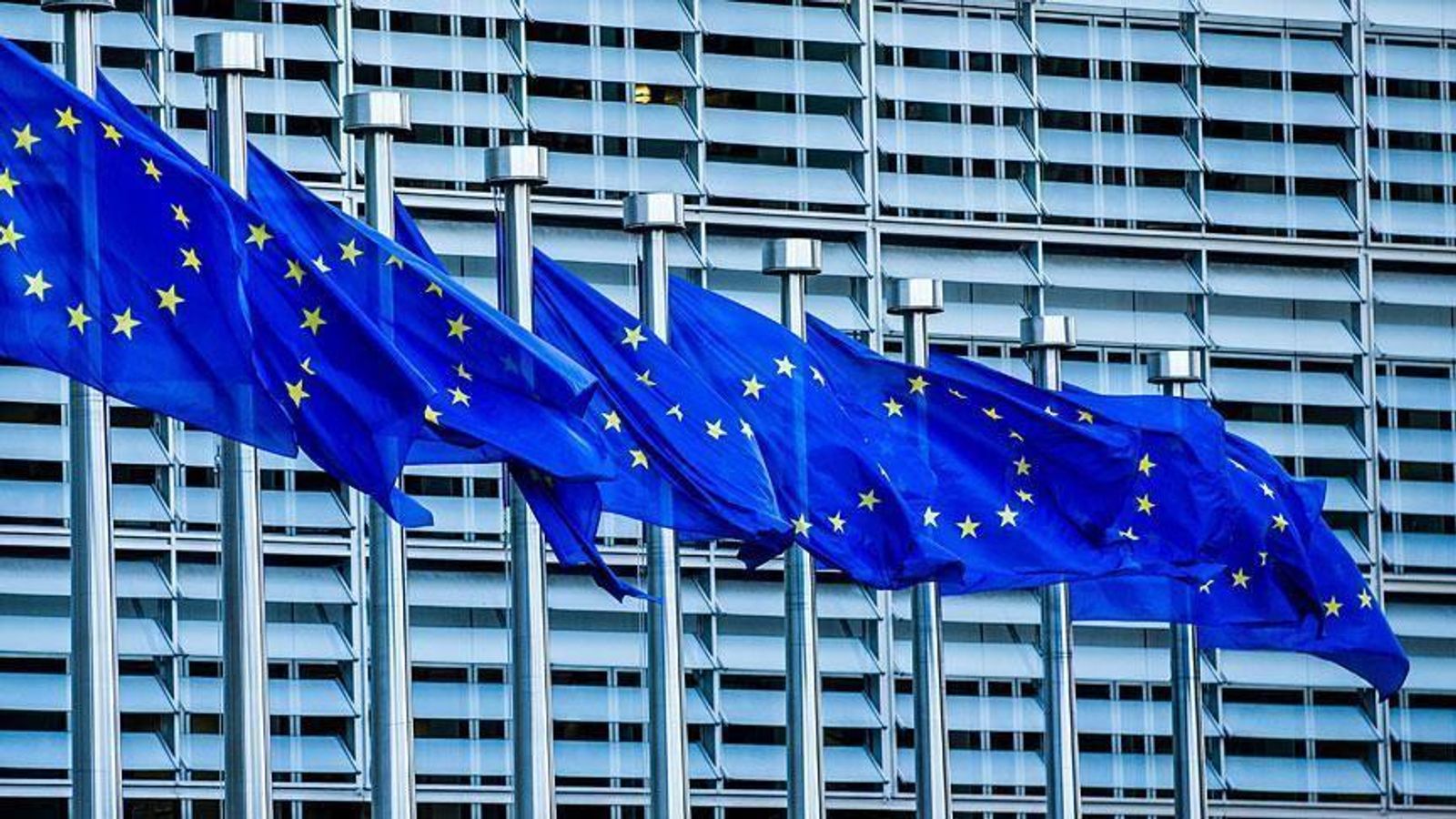
KABUL (Afghan Verified) -- The European Union announced Thursday it has allocated 250,000 euros ($270,000) in humanitarian aid to support Afghanistan's most vulnerable people, including those displaced by intensified conflicts and last year's earthquakes.
The funding targets approximately 70,000 individuals in the eastern provinces of Khost, Kunar, Nangarhar, Nuristan, Paktia and Paktika, according to statements from the European Union reported by Hasht-e Subh, Khaama Press and Pajhwok Afghan News. The aid will be channeled through the Afghan Red Crescent to provide food distributions, cash assistance for urgent needs, emergency shelter, primary health care, clean water and sanitation services.
The European Union described the allocation as a contribution to the International Federation of Red Cross and Red Crescent Societies' Disaster Response Emergency Fund. It follows the bloc's provision of more than 161 million euros in humanitarian assistance to partners in Afghanistan during 2025.
Afghanistan International reported that the United Nations Office for the Coordination of Humanitarian Affairs cited wars between Pakistan and the Taliban as displacing about 16,370 Afghan families, contributing to the humanitarian needs. Amu TV emphasized the aid's focus on people displaced by earthquakes in the listed eastern provinces.
The European Union has also conducted humanitarian flights in recent years, including three this year delivering 270 tons of food supplies, according to Amu TV and Pajhwok.
Read the original reporting at Pajhwok →
Reliability assessment
5 independent outlets corroborate core event of EU announcing 250,000 euros aid via direct EU statements/websites/X; minor variations in emphasis (conflicts vs earthquakes) and details (provinces, numbers) do not undermine corroboration
The source language mixes facts with framing or advocacy wording. Khaama Press: "sharply limited access to learning, leaving many young women without clear academic or professional futures" uses value-laden phrasing to emotionally frame education restrictions; "deepened household poverty and reduced opportunities for families already struggling to survive" employs dramatic emotional language on economic impacts; "Afghanistan’s wider crisis is likely to persist without broader progress in education, employment and stability" mixes reporting with advocacy for systemic change.
Across the newsrooms
Where reports agree
- EU announced allocation of 250,000 euros humanitarian aid
- Aid via Afghan Red Crescent for food, cash, shelter, health, water/sanitation
- Targets vulnerable/displaced including earthquake-affected
- EU provided >161 million euros aid in 2025
Where reports differ
- Primary trigger: conflicts/fighting (4 sources) vs earthquakes only (Amu TV)
- Specific displacement figure and Pakistan-Taliban wars (AI only)
- Provinces explicitly listed (4 sources, not AI)
- Aid recipient number 70,000 (3 sources)
Filed by 5 outlets
Pajhwok
Originating
Reported straight
Reported straight
Hasht-e Subh
Reported straight
Reported straight
Khaama Press
Framed
Framed
Afghanistan International
Reported straight
Reported straight
Amu TV
Reported straight
Reported straight
Filed under
International — EU, Afghan Red Crescent, humanitarian aid, earthquakes, displacement
Reader supported
Keep Ehtebar running
Every published story uses paid tools to translate reporting, compare sources, extract claims, and produce a clearer read on Afghanistan. Reader support helps keep that work independent.
€5
helps cover daily verification runs
€15
supports a week of source comparison
€50
keeps independent analysis moving