INTERNATIONAL — March 3, 2026
Explosions Reported in Tehran Amid Israeli-US Strikes; Strait of Hormuz Shipping Disrupted
Israeli and US strikes reportedly caused explosions in Tehran, while Iranian actions have disrupted shipping in the Strait of Hormuz, driving up oil prices. No casualties confirmed from Tehran attacks; global calls urge de-escalation.
The Ehtebar Desk — originates with ToloNews — corroborated by Khaama Press — 2 min read
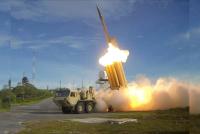
International media outlets, including TASS citing Iranian state television and Al Jazeera, reported explosions in Iran's capital Tehran on March 2 from strikes by Israeli and US forces targeting several areas, including government facilities as announced by the Israel Defense Forces. Specific locations were not disclosed, and no confirmed casualty figures or damage assessments have been released, with Iranian authorities restricting access to affected areas.
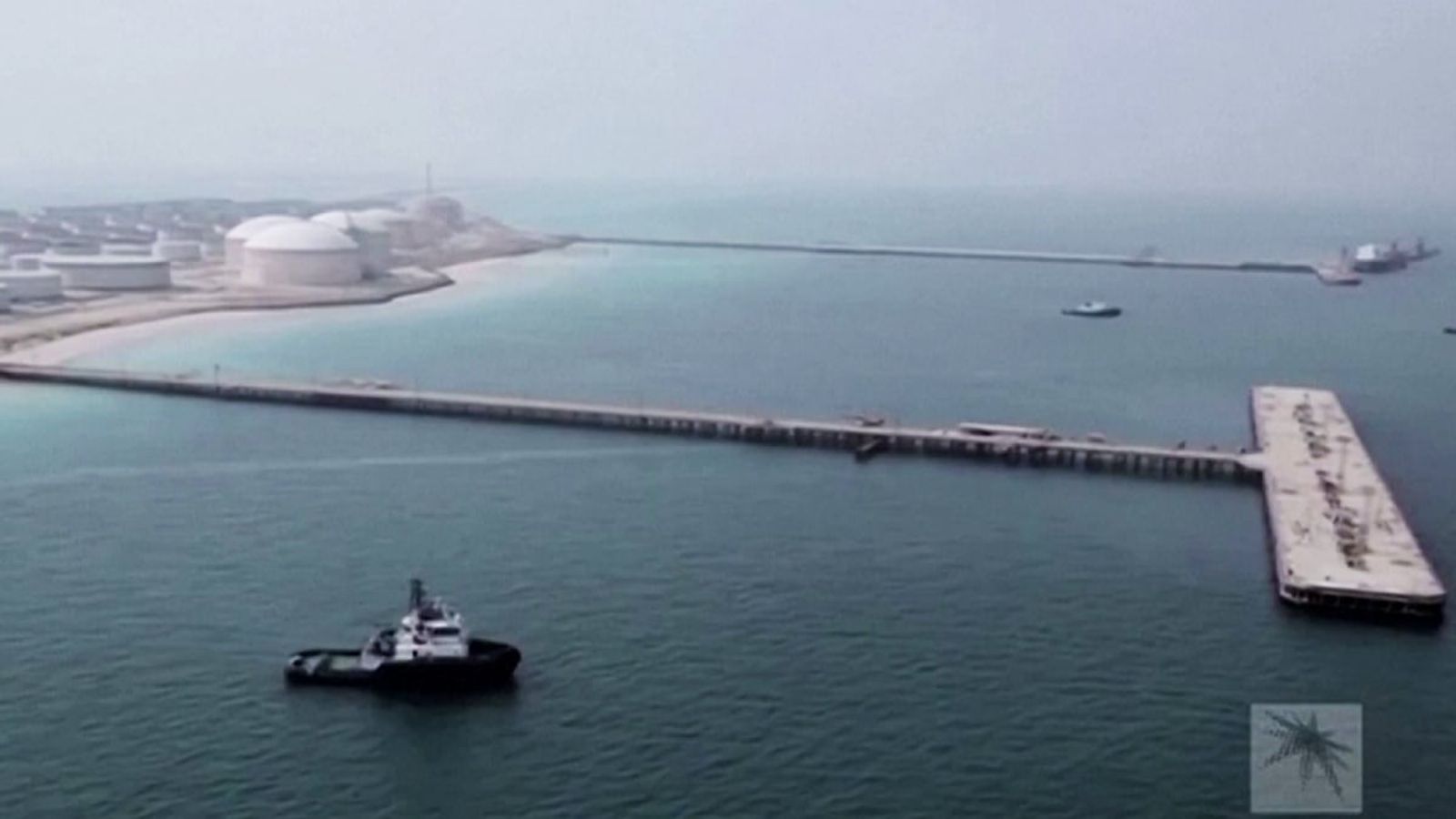
In a related development amid the escalating confrontation, Iranian attacks have nearly halted shipping through the Strait of Hormuz, a vital passage for one-fifth of global oil and significant natural gas supplies. Iran's Revolutionary Guards Corps warned that any passing ships would be targeted. Global media reports indicated at least five oil tankers damaged and nearly 150 other vessels stopped in waters between Iran and Oman.
Oil prices rose to $79.40 per barrel from $73 the previous Friday before the joint US-Israel attacks began, according to reports. A senior analyst from Chatham House described the strategy as Iran's way to pressure US President Trump by disrupting global energy prices and economies, urging regional countries to push for ending the war.
China's Foreign Ministry spokesperson Mao Ning stated that the Strait of Hormuz and surrounding waters are critical for global trade in goods and energy, calling on all parties to immediately halt military operations to prevent further escalation. Japan's prime minister noted close monitoring of liquefied natural gas supply and prices, as it powers nearly 30% of the country's electricity.
The Strait of Hormuz serves as the main route for oil exports from Gulf states including Saudi Arabia, Iran, Iraq, and the UAE to the Sea of Oman and Indian Ocean. Countries and energy firms are seeking alternative routes amid the tensions.
Read the original reporting at ToloNews →
Reliability assessment
Core claims of strikes in Tehran and Hormuz disruptions are second-hand reports from media citing state television, officials, and global outlets without independent verification or concrete details like specific locations/times; casualty and damage figures unconfirmed and rapidly evolving conflict.
The source language reads straight.
Across the newsrooms
Filed by 2 outlets
ToloNews
Originating
Khaama Press
Filed under
International — Iran, Israel, United States, Strait of Hormuz, oil prices
Reader supported
Keep Ehtebar running
Every published story uses paid tools to translate reporting, compare sources, extract claims, and produce a clearer read on Afghanistan. Reader support helps keep that work independent.
€5
helps cover daily verification runs
€15
supports a week of source comparison
€50
keeps independent analysis moving