INTERNATIONAL — February 24, 2026
Germany Allows Asylum Seekers to Work Three Months After Arrival
Germany's Interior Minister Alexander Dobrindt announced asylum seekers can work three months after arrival, prior to application processing, to aid integration and financial independence. The policy aligns with EU-wide asylum reforms and affects a large Afghan diaspora among Europe's asylum seekers.
The Ehtebar Desk — originates with Khaama Press — 2 min read
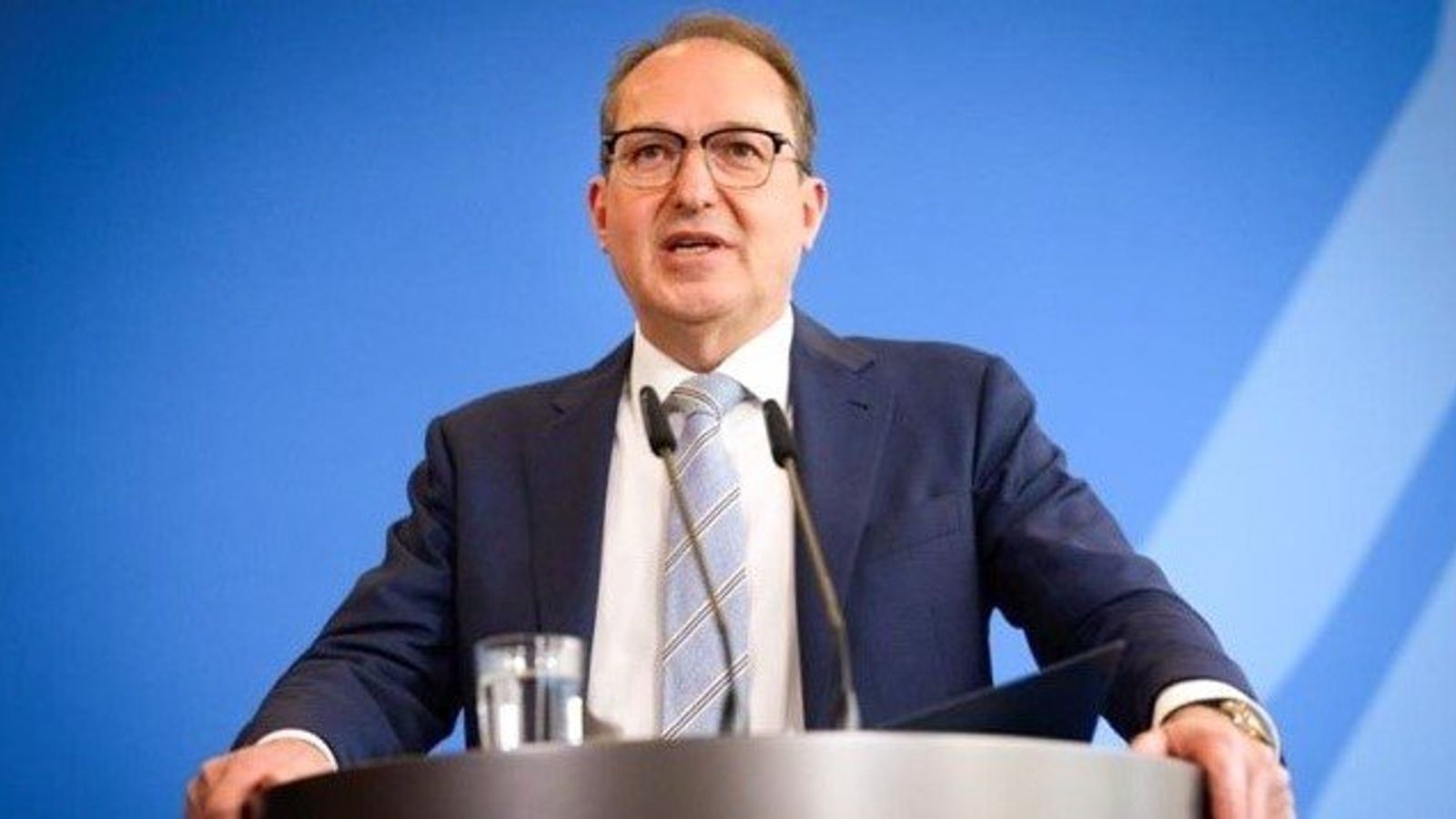
Germany's Interior Minister Alexander Dobrindt has announced that asylum seekers can begin working three months after their arrival, even before their asylum applications are processed.
The policy, dubbed the "Immediate Work Entry" initiative, seeks to shorten waiting periods for employment and promote integration through labor market participation. Dobrindt stated, "Everyone arriving here should be able to work quickly. Participation through activity is the goal."
Germany hosts the largest number of asylum seekers in Europe, including many from the Middle East and South Asia, with a significant Afghan diaspora. A government spokesperson clarified that the change does not require asylum seekers to work and will not influence the outcome of their applications. Earnings from work may factor into calculations for social benefits, such as housing assistance.
The reforms form part of a broader review of Germany's asylum laws, aligned with the European Union's efforts to harmonize asylum systems, enhance integration, and balance social support with economic participation.
Read the original reporting at Khaama Press →
Reliability assessment
Single source provides direct, on-record attribution to named Interior Minister Alexander Dobrindt and a government spokesperson, with concrete policy details including timelines and conditions.
The source language reads straight.
Across the newsrooms
Filed by
Khaama Press
Originating
Filed under
International — Germany, asylum seekers, Afghan diaspora, work permits, Alexander Dobrindt
Reader supported
Keep Ehtebar running
Every published story uses paid tools to translate reporting, compare sources, extract claims, and produce a clearer read on Afghanistan. Reader support helps keep that work independent.
€5
helps cover daily verification runs
€15
supports a week of source comparison
€50
keeps independent analysis moving