INTERNATIONAL — May 7, 2026
Germany Proposes Six-Point Plan to Reform EU Foreign Policy Decision-Making
German Foreign Minister Johann Wadephul has unveiled a six-point reform plan to streamline European Union foreign policy decision-making. The initiative proposes a shift from unanimity to qualified majority voting and a phased enlargement process, with backing from Chancellor Friedrich Merz to strengthen diplomatic responsiveness and prevent alternative external alliances.
The Ehtebar Desk — originates with Khaama Press — 2 min read
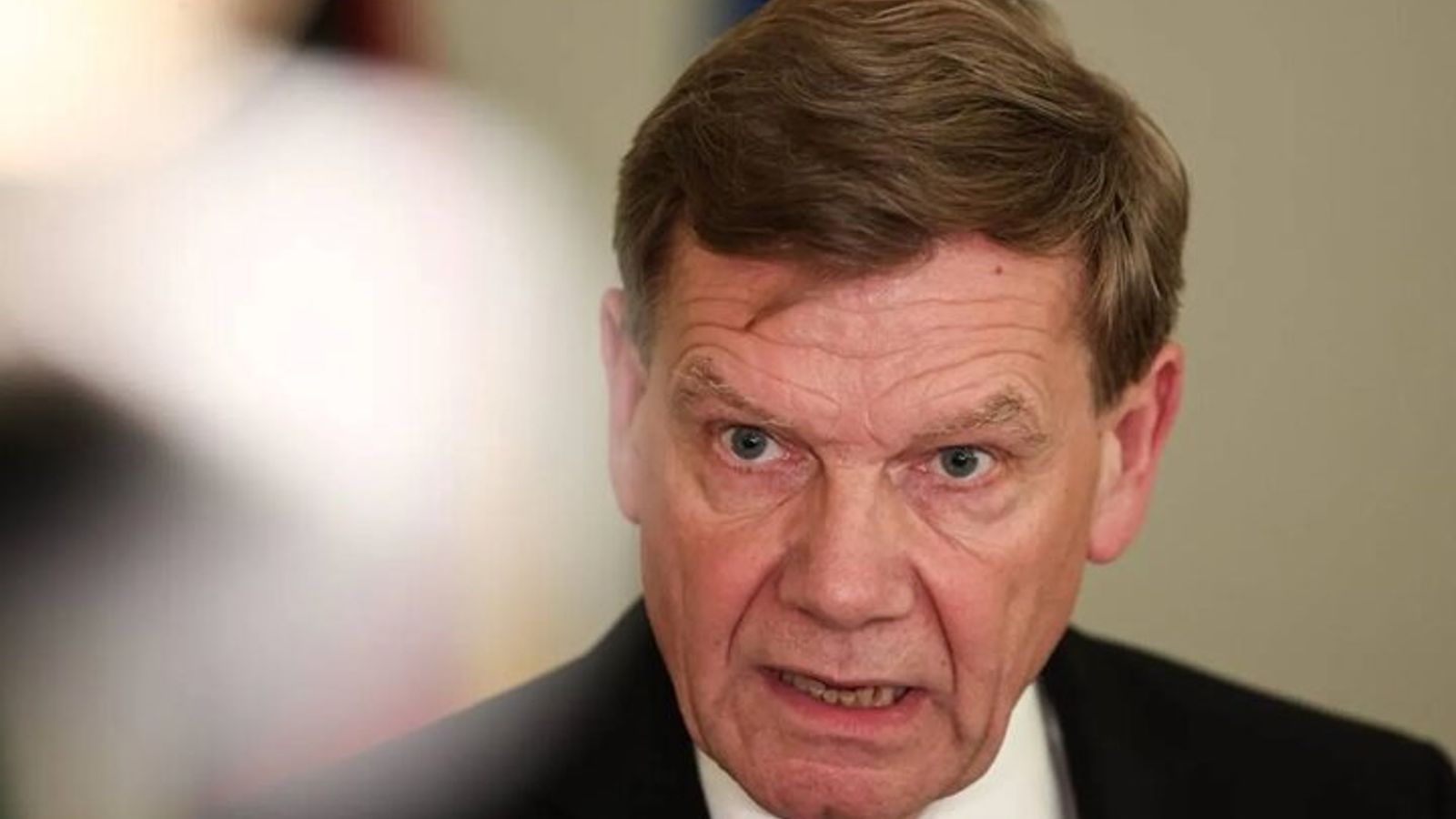
German Foreign Minister Johann Wadephul has introduced a six-point reform agenda aimed at strengthening the European Union’s foreign and security policy decision-making framework. The proposal, presented in Berlin, outlines structural changes intended to streamline diplomatic coordination and enhance the bloc’s global influence.
Central to the agenda is a recommendation to replace the current unanimity requirement in foreign policy matters with qualified majority voting. Under existing rules, a single member state can block collective action, a mechanism that has frequently delayed joint diplomatic responses. Wadephul argued that shifting to majority-based decisions would allow the European Union to respond more swiftly to international crises.
The plan also calls for broader application of the “enhanced cooperation” framework, which permits a group of member states to advance specific initiatives without requiring full consensus from all twenty-seven nations. Additionally, the proposal advocates for a phased accession model to accelerate the union’s enlargement process. This aspect of the reform has received explicit backing from Chancellor Friedrich Merz, who has previously emphasized the strategic importance of integrating neighboring countries into European institutions.
During the announcement, Wadephul cautioned that delays in modernizing the bloc’s internal decision-making structures could prompt member states to seek alternative security and diplomatic partnerships outside the European framework. He stressed that institutional reform is necessary to maintain the union’s relevance amid shifting global alliances and increasing geopolitical competition.
The six-point agenda will be reviewed by European foreign ministers and member state representatives as part of ongoing discussions on institutional reform. No timeline has been set for implementation, and any changes to voting procedures or enlargement protocols would require extensive diplomatic negotiations among member states.
Read the original reporting at Khaama Press →
Reliability assessment
Single source provides direct, on-record attribution with concrete, checkable details including named officials (FM Johann Wadephul, Chancellor Friedrich Merz), specific policy mechanisms (qualified majority voting, enhanced cooperation, phased enlargement), and location (Berlin). Per verification guidelines, a single source with strong, attributable details qualifies as reliable.
The source language reads straight.
Across the newsrooms
Filed by
Khaama Press
Originating
Reported straight
Reported straight
Filed under
International — European Union, Germany, Johann Wadephul, Friedrich Merz, EU Foreign Policy
Reader supported
Keep Ehtebar running
Every published story uses paid tools to translate reporting, compare sources, extract claims, and produce a clearer read on Afghanistan. Reader support helps keep that work independent.
€5
helps cover daily verification runs
€15
supports a week of source comparison
€50
keeps independent analysis moving