INTERNATIONAL — February 20, 2026
Greece, Germany, Netherlands, Austria and Denmark agree to establish migrant return centers outside EU
Greece is partnering with Germany, the Netherlands, Austria and Denmark to establish migrant return centers outside the EU, likely in Africa, as announced by Migration Minister Thanos Pleuris. The initiative aims to handle rejected asylum seekers and includes upcoming talks with Pakistan on returns amid declining illegal entries to Greece.
The Ehtebar Desk — originates with Amu TV — corroborated by Khaama Press — 2 min read
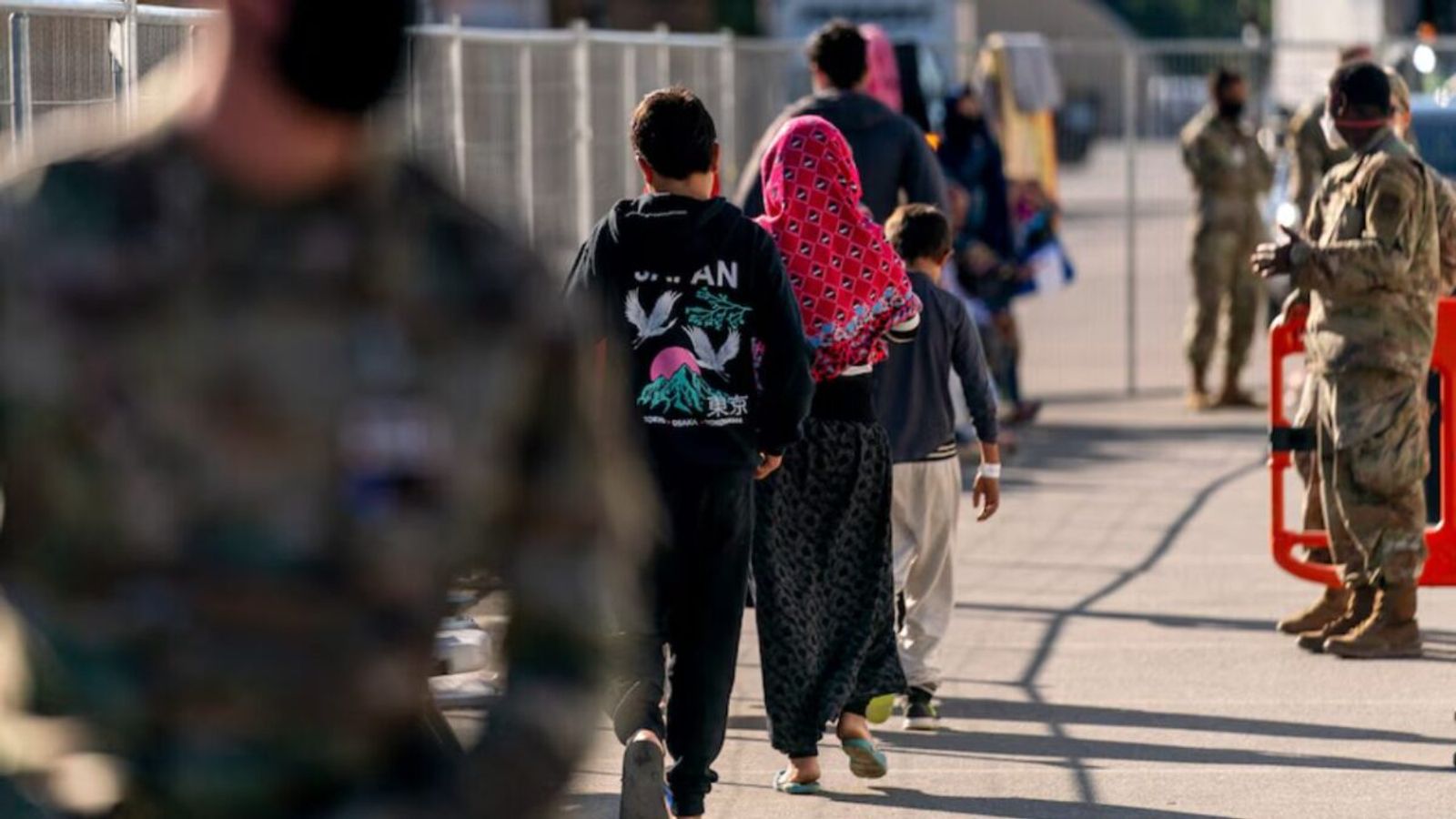
Greece's Migration Ministry announced that the country is cooperating with Germany, the Netherlands, Austria and Denmark to create 'return centers' for migrants outside the European Union, likely in Africa.
Thanos Pleuris, Greece's migration minister, stated that the centers are intended for individuals whose asylum claims have been rejected and whose countries of origin refuse to accept them back. He noted that the five countries have held prior meetings on the issue and that technical teams are scheduled to meet next week. "We are no longer talking theoretically but have entered practical action," Pleuris said.
Pleuris did not specify potential host countries but added that selecting Africa is not mandatory and that larger European countries will negotiate directly with prospective host governments. He described the centers as a deterrent for those with low chances of obtaining asylum, with an initial plan expected in the coming months, though no exact launch date was provided.
Greece, located in southeastern Europe, has been a primary entry point for migrants and asylum seekers from the Middle East, Africa and Asia over the past decade. The government in Athens has adopted a stricter approach to migration in recent years and has been accused of pushbacks by its coast guard without allowing asylum registration opportunities, accusations that the government denies.
Pleuris reported a 21% decrease in illegal migrant entries to Greece in 2025 compared to the previous year, with about 13,000 fewer arrivals. He also cited a 40% drop in entries over the past five months.
These developments follow European Union lawmakers' approval last week of new migration policies, which allow member states to refuse applicants from 'safe' countries or those who can apply for asylum outside the 27-nation bloc, facilitating deportations.
Pleuris said Greece is now focusing on increasing returns of rejected asylum seekers, with 5,000 to 7,000 returned annually from the country, compared to 40,000 to 50,000 annual entries, nearly half of which are rejected. He added that he will travel to Rome next week to meet his Italian and Spanish counterparts and discuss returns cooperation with Pakistani officials in the context of origin-country dialogues.
Read the original reporting at Amu TV →
Reliability assessment
Key facts corroborated by two outlets attributing the announcement directly to named Greek Migration Minister Thanos Pleuris, providing concrete details on the partnership and purpose of the return centers.
The source language reads straight.
Across the newsrooms
Filed by 2 outlets
Amu TV
Originating
Khaama Press
Filed under
International — Greece, Thanos Pleuris, EU migration, return centers, Pakistan
Reader supported
Keep Ehtebar running
Every published story uses paid tools to translate reporting, compare sources, extract claims, and produce a clearer read on Afghanistan. Reader support helps keep that work independent.
€5
helps cover daily verification runs
€15
supports a week of source comparison
€50
keeps independent analysis moving