
SOCIETY — March 26, 2026
International Olympic Committee Bars Transgender Women from Female Events at Olympics
The International Olympic Committee has barred transgender women from competing in female events at the Olympics starting with the 2028 Los Angeles Games and introduced mandatory gene testing to limit the female category to biological females. The policy also affects athletes with differences in sex development such as Caster Semenya due to advantages from male puberty.
The Ehtebar Desk — originates with Khaama Press — 2 min read
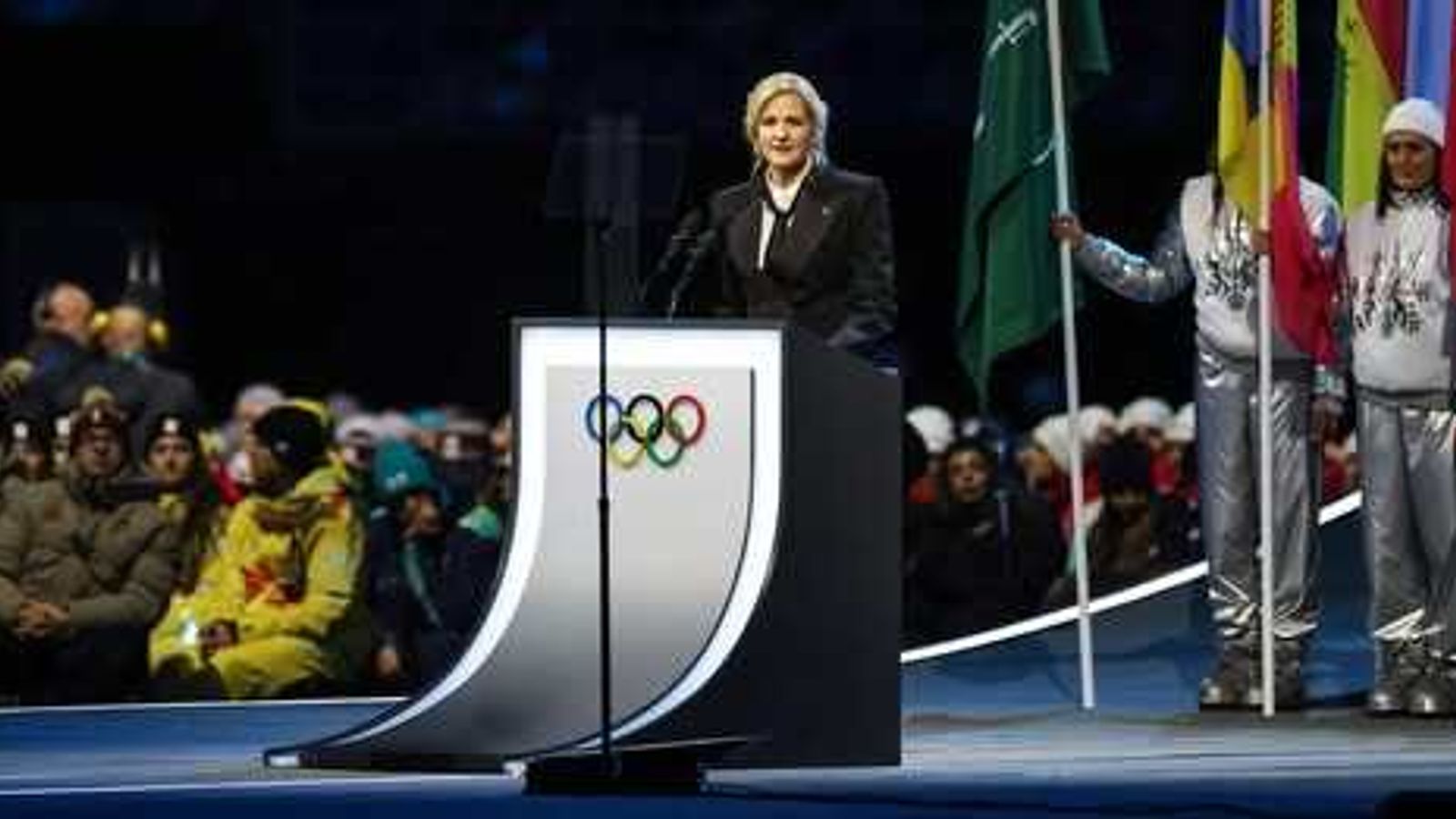
The International Olympic Committee on Thursday barred transgender women from female events at the Olympics, introducing mandatory gene testing before the 2028 Los Angeles Games.
The International Olympic Committee said that transgender women will no longer be eligible to compete in women’s events at the Olympic Games under a new policy that will take effect from the 2028 Los Angeles Olympics. The eligibility for the female category will be limited to biological females, with a one-time gene test required to determine eligibility.
The move marks a major shift in Olympic policy after years in which the IOC largely left eligibility rules to individual sports federations. IOC President Kirsty Coventry said the new framework was designed to protect fairness, safety and integrity in women’s sport, where even the smallest margins can decide medals.
The policy will also affect some athletes with differences in sex development, or DSD, including South African runner Caster Semenya. The IOC said its expert group concluded that male puberty can create lasting performance advantages in events based on strength, power and endurance.
The IOC said the test will screen for the SRY gene, a DNA segment typically found on the Y chromosome that is linked to male sex development. It described the test as the most accurate and least intrusive method available.
The issue had already been moving in this direction before Thursday’s decision, with track and field, swimming and cycling having previously introduced restrictions on transgender women who experienced male puberty. New controversy around women’s boxing at the 2024 Paris Olympics also intensified pressure on Olympic leaders to adopt a uniform rule rather than leave decisions to separate federations.
In the United States, President Donald Trump signed an executive order in February 2025 aimed at keeping transgender athletes out of women’s sports, and the U.S. Olympic body later updated its guidance to comply with the White House ahead of the Los Angeles Games.
The decision is likely to deepen debate over inclusion and fairness in elite sport, while setting up a contentious new standard for women’s Olympic competition in the run-up to the Los Angeles Games.
Read the original reporting at Khaama Press →
Reliability assessment
Single source provides direct, on-record attribution to the IOC with concrete details including named IOC President Kirsty Coventry, specific policy measures (SRY gene test), timeline (2028 LA Games) and context from other sports federations. Per guidelines, this constitutes reliable reporting on the fact that the IOC made this announcement.
The source language mixes facts with framing or advocacy wording. Khaama Press: "major shift", "intensified pressure", "contentious new standard" - these phrases mix reporting with mild opinion language that frames the policy as dramatically disruptive and divisive.
Across the newsrooms
Filed by
Khaama Press
Originating
Framed
Framed
Filed under
Society — IOC, Olympics, Transgender Athletes, Gender Eligibility, SRY Gene Testing
Reader supported
Keep Ehtebar running
Every published story uses paid tools to translate reporting, compare sources, extract claims, and produce a clearer read on Afghanistan. Reader support helps keep that work independent.
€5
helps cover daily verification runs
€15
supports a week of source comparison
€50
keeps independent analysis moving
More in Society
Health Officials and Experts Discuss Rise in Black Jaundice Cases in Afghanistan
— Reliable

Discussion on Agricultural Products and Health Services in Samangan Province
— Reliable
WHO Report Cites Taliban Restrictions and Funding Shortfalls as Threats to Health Services in Afghanistan
— Reliable
Afghan officials report returns of families from Pakistan and Iran alongside releases from Pakistani prisons
— Reliable